Blade Runner 2049

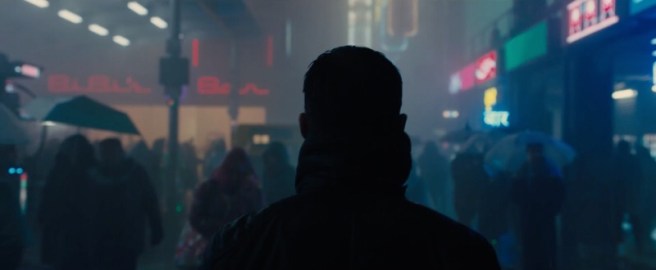
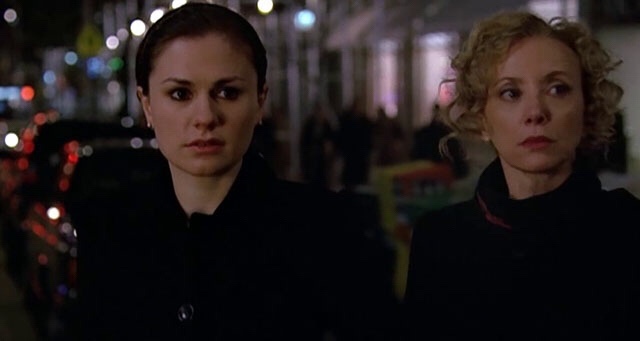
Blade Runner 2049. Pretty. Good. Can’t say I like it as much as the original. I think they could have bumped the pace a bit without losing much. But there are far worse ways to bathe in goofy visuals.

Wind River

Wind River. Man, this was great. I’ve been catching up on 2017 movies, and when I see ones like this and The Lost City of Z and Good Time, I start to wonder why we weren’t talking about them all year long. Wind River sits with its pain, a steady undercurrent of mourning, and explores how we accept loss, or find ourselves in some other endless form of pursuit, resignation, denial. Native American mistreatment is also a big theme, shown with visuals – contrast modest homes vs. trailer parks – or just ignorance, like when our well-meaning FBI agent bumbles through an interview with a victim’s family. At times the script feels more written than spoken, but that’s not so bad when the words are great. Director Taylor Sheridan also wrote the excellent Sicario and Hell or High Water.

Columbus

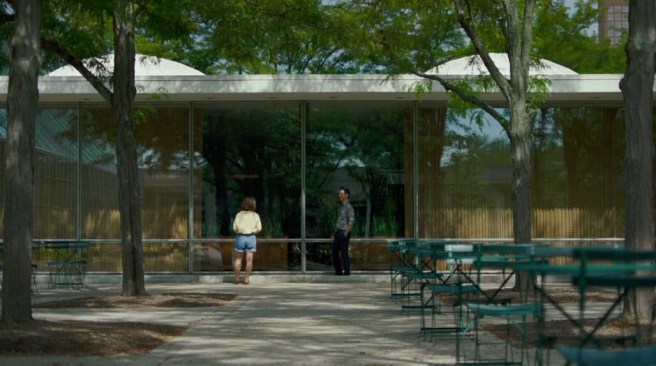
Columbus. I dig it. There is definitely some Lost in Translation similarity. Two strangers finding another someone who’s a little lost, seeing each other down the road a ways. They each give each other the nudge they didn’t want to want, but know they need. I like how these characters sometimes get a little peevish with other. The script is rough sometimes, but every picture is lovely to look at.

Life Off Grid

Life Off Grid. This was a decent little documentary, profiling a few Canadians from each province who decided to disconnect, to one degree or another. It made me realize my instant association with “off the grid” is survivalist paranoiacs. Not fair, but there you go. Nice to have a broader perspective here. For many of them, going off the grid wasn’t the goal in the first place. It was a side effect of some other life choice. One guy, for example, just wanted to live with less money. Another couple, well, they liked the location, and electricity simply isn’t available out there. Each find their own way. Another common theme was the sense of responsibility and efficacy. Most of them talked about or hinted at ripple effects of their choices, the tensions between what they want, the effort it would take to attain it, and all the baggage that could come along. Also cool to see how each household approached common problems in different ways – water supply, grocery shopping, TV, poop, dishes. On the whole, the eastern Canadians seemed more… balanced? Mainstream?

Dunkirk

Dunkirk. It is tremendous. Couldn’t look away for even a sliver of a moment. Out of all of Christopher Nolan movies I’ve seen, I’d rank this at the top. One thing that did him a favor is that the dialogue is so minimal. A trim, direct story so he can focus on the construction. I love the layered stories – the boat scenes being my favorites – that are racing to meet at the end, which we know with hindsight is only a beginning.

I haven’t updated my Christopher Nolan power rankings in a while, so…

  1. Dunkirk
  2. Interstellar
  3. Memento
  4. The Prestige
  5. The Dark Knight
  6. The Dark Knight Rises
  7. Batman Begins
  8. Insomnia
  9. Following
  10. Inception

That feels right for now.

Good Time

Good Time. Hoo boy I loved it. An urban chase film where our protagonist keeps digging himself in bigger holes. The music is key – similar to how Thief and The Guest get so much grimy energy from their own moody, heavily electronic scores. Interesting choices to light scenes using only televisions, and in the roles that phones play in plot and theme.

It Comes at Night

It Comes at Night. It’s great! Movies like this remind you of what a simple, almost primal pleasure it is just to watch how light fills and moves through a dark place. I also like that it doesn’t bother with answers about the general state of the world, and doesn’t waste time with half-hearted attempts. People seek and accept what’s practical, and move on. Backstory is irrelevant to a degree. The red door in the house – like a church, perhaps? I’ve really come to love this survival-cabin subgenre. Other recent ones that are worth a look: 10 Cloverfield Lane, Into the Forest, Z for Zachariah. What else?

I Am Not Your Negro

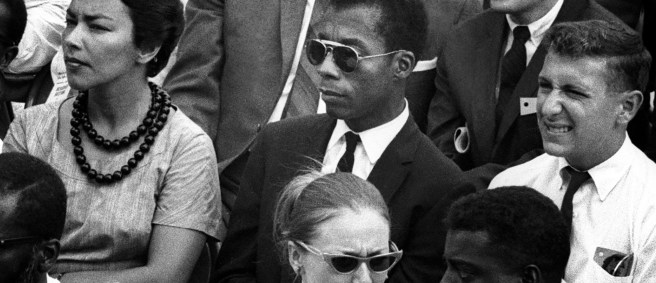
I Am Not Your Negro. I liked it a lot. Just the premise – a movie rendition of an unfinished book – is such an interesting way to start. I’ve heard similar formulations before, but two ideas in here really stuck with me. One, his comments during an interview that, while he may not know what whites believe, he can see the state of our institutions (church, work, real estate, etc.). They tell you something you cannot deny. Second, his prompt to ask ourselves why the negro was invented. Black people didn’t come up with it. It’s a white invention to fill some need – one worth examining. Recommended. Filed under: documentaries.

Song to Song

Song-to-Song

Song to Song. Rooney Mara might be the best dizzy princess Malick’s ever had. This one also has some of the best music. It’s also one of the few Malick’s to ever make me laugh multiple times. I was surprisingly swept up for the first hour or so. And yet… the staying power wasn’t there for me. Still good, though.

Updated Terrence Malick power rankings:

  1. Days of Heaven (as if!)
  2. The New World
  3. Badlands
  4. The Thin Red Line
  5. The Tree of Life (maybe one spot higher?)
  6. Song to Song
  7. To the Wonder
  8. Knight of Cups

That is a solid body of work.

A Ghost Story

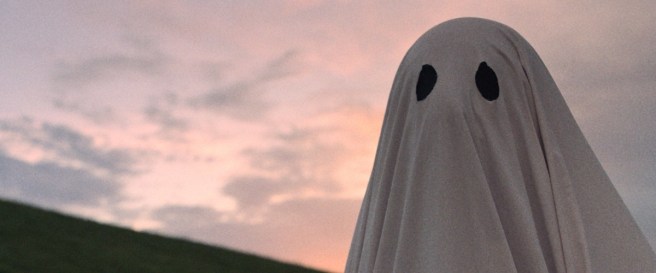
A Ghost Story. I loved this movie. I will probably put it on my favorites-of-2018 list. I like this view of ghosts as sort of outside of time, in both directions. Ghosts as unfinished business. Ghosts with flaws and hang-ups. And the idea that places are saturated with history, and by the same token history isn’t just events in time but in a space. Solid soundtrack, too.

War for the Planet of the Apes

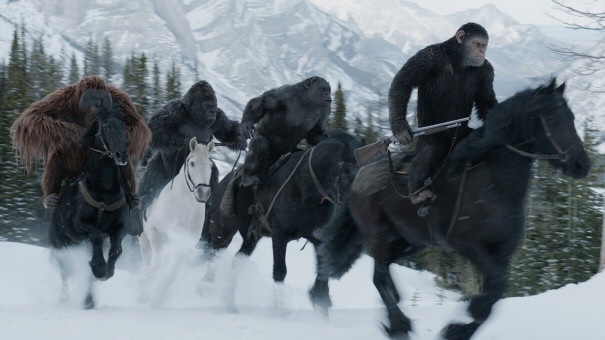
War for the Planet of the Apes. Kind of a bummer. At first I was really into the melodrama. Eventually, it became very tedious. It seemed like they were stopping for a sappy moment every 5-10 minutes. The Gollum/Jar Jar ape didn’t help. I also don’t understand why a crucial character uses a crossbow in a world with guns. Another hang-up was that I couldn’t figure out how the world fit together. That’s one thing I liked about Rise… and Dawn… – the geography was clear. You knew who was where. This one started in those awesome rainforests, then moved to a snowscape, and then to the Sierras? Or Tahoe? The previous ones were strong in that they felt like our world. I don’t know what happened to it here. Bummer. Filed under: Planet of the Apes.

Margaret

Margaret. The first film of the new year was so damn good. Takes the everyday and shows its operatic moments. The surly, volatile teen protagonist is all of us at some point, many points – heroes of our own story, center of the universe, disappointed by and disappointing those who care about us. One especially nice touch is the sound. Throughout there are interludes where you hear snippets of other conversations, city life, sometimes even more clearly than the main characters. Loved it. Bright Wall/Dark Room did an entire issue about Margaret; lots of good reading there. The only other Lonergan movie I’ve seen is Manchester By the Sea. Solid, but I’d rank this one way, way higher.

Heat

heat-mccauley

Heat. A half-dozen screenings and it keeps on delivering. One thing that really stood out this time was the use of the color blue with McCauley’s character.

For example, early on, there’s the famous shot at his house, echoing Colville’s “Pacific” painting, but saturated in a moody blue. This is McCauley as the cool, remote professional. During a following celebration dinner with his team, you see his appreciation and envy of his crew’s families. He goes to call Eadie. The shot of him on the phone has the frame split in half. He’s on the left against a cool blue background, the right side is warmer. In the course of conversation with her he steps from left to right. Later in the movie, McCauley is on his way to escape, home-free. He gets a farewell call from Nate, who also tells him where Waingro is. He dismisses the idea of going back, and keeps driving, content. The camera stays on him at the wheel, and we can see through the rear window. As he enters a tunnel the lighting is a bright wash… that transitions to blue. He turns grim and decides on revenge before escape.

Speaking of Waingro, interesting how his actions play up the appetites. In his introduction, he’s looking for more coffee before the score. After the heist, he’s smugly enjoying some pie while the main crew stares at him in disdainful silence. Later we see him with cigarettes, booze, women.

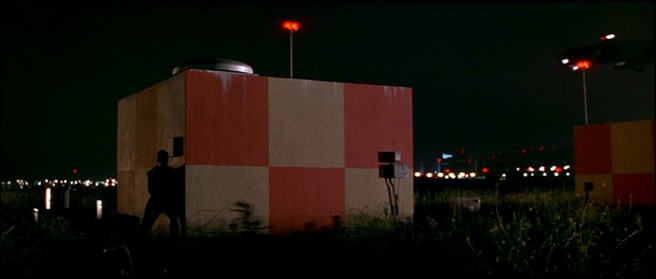
Last little clever bit: in the course of the famous diner meeting, McCauley mentions, “There is a flip side to that coin. What if you do got me boxed in and I gotta put you down?” At the final climax, we see McCauley escaping into the airfield, making his last stand behind a shed, backgrounded with its large checkerboard pattern. Boxed in, the chess match coming to its endgame.
heat-mccauley-boxed

Filed under: Heat.