So far this year, I’ve watched “The Knick,” “Mad Men,” “Game of Thrones,” “Outlander,” “Boardwalk Empire” and “Downton Abbey.” Oh, I complain about the various anachronisms – the clothes are too clean, the lives of the servants are far too easy and don’t even get me started on, um, almost everything in “The Knick.” But these are forgivable errors, occasionally almost lovable.
The thing I find harder to forgive is the shows’ inability to commit to that drama – to try to actually engage with what was actually dramatic and interesting in those eras. They can’t resist moralizing from the point of view of a 21st-century modern – and so they sap the conflicts they’re portraying of their meaning.
Training Day

Training Day. Pretty good. Denzel covers some good range here, maybe a little toooooo schizo/flip-floppy. Always switching, probing, testing. I was a bit impatient with it after a while. Surprised how well Hawke carried his chunk of the movie.
Man on Fire
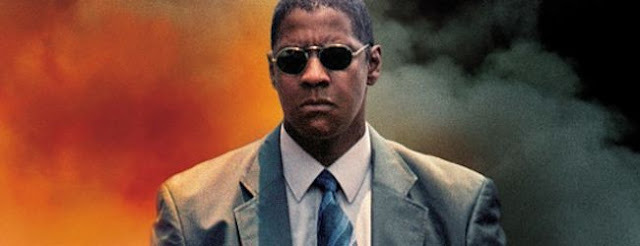
Man on Fire. This is the beginning of my Denzel Washington self-education program, as I’ve seen embarrassingly few of his movies, and they were all a long time ago. A guilt-ridden drunk on a revenge mission. Young Dakota Fanning is impossible not to like. And her on-screen friendship with Denzel is fantastic. I really liked the lively, kind of spazzy directing. A rush of colors and cuts, zooms in and out, accelerating and coming to a halt, and how that ties in with characterization and mood. I like the work with the occasional subtitles, too. Interesting that the bullet and the St. Jude medallion come along with sobriety (like AA tokens). Also note the recurring theme of “I’m just a professional” or “I’m just doing my job.” It’s not enough. Cf. Taken, of course.
There is no such thing as tough. There is trained and untrained.
We make ourselves lists in order to know if we think what we think.
There is no finality in a list, just a promise that we will argue about everything listed, adjust our thoughts, and watch our feelings change over time.
Minority Report: The Real Problem of the Atlanta Hawks Implosion
An interesting byproduct — perhaps a trick — of labeling someone a racist is making them an exception. Racists, once outed, are banished to Racism Island, and then it’s business as usual for everyone else. That’s the Sterling example. But Bruce Levenson isn’t an anomaly. Who doesn’t know a Bruce Levenson? Who hasn’t overheard someone at work or a friend’s dad talk like this before? They’re everywhere.
Minority Report: The Real Problem of the Atlanta Hawks Implosion
Serena Williams Is America’s Greatest Athlete
When the culture at large grants athletic adoration to women, it is often of a temporary, fleeting kind directed toward teen-age American sweethearts at the Olympics. Williams has never been America’s sweetheart. […] The failure to fully appreciate her importance is perhaps evidence of our inability to appreciate the stubbornly unfamiliar narrative arc of her career. Williams is underloved because, at times, she has been unlovable and, in the end, mostly unrepentant about it
The U.S. Open’s Federer-less Final – The New Yorker
So what is happening here? Other players are winning tennis matches. They are doing so by playing better than their opponents, even the ones, like Federer and Djokovic, who usually win. A couple of new guys, who are likable, hard-working, and talented, get their shot at the big fancy trophy and the giant check. Many fans will have a hard time accepting this. It requires a categorical adjustment, a recognition that a tournament is merely a process of narrowing down a pool of athletes to the one who beats the rest, rather than an expression of the Form of the Good.

Louisiana Loses Its Boot — Matter — Medium.
According to the U.S.G.S., the state lost just under 1,900 square miles of land between 1932 and 2000. This is the rough equivalent of the entire state of Delaware dropping into the Gulf of Mexico, and the disappearing act has no closing date. If nothing is done to stop the hemorrhaging, the state predicts as much as another 1,750 square miles of land — an area larger than Rhode Island — will convert to water by 2064. An area approximately the size of a football field continues to slip away every hour.
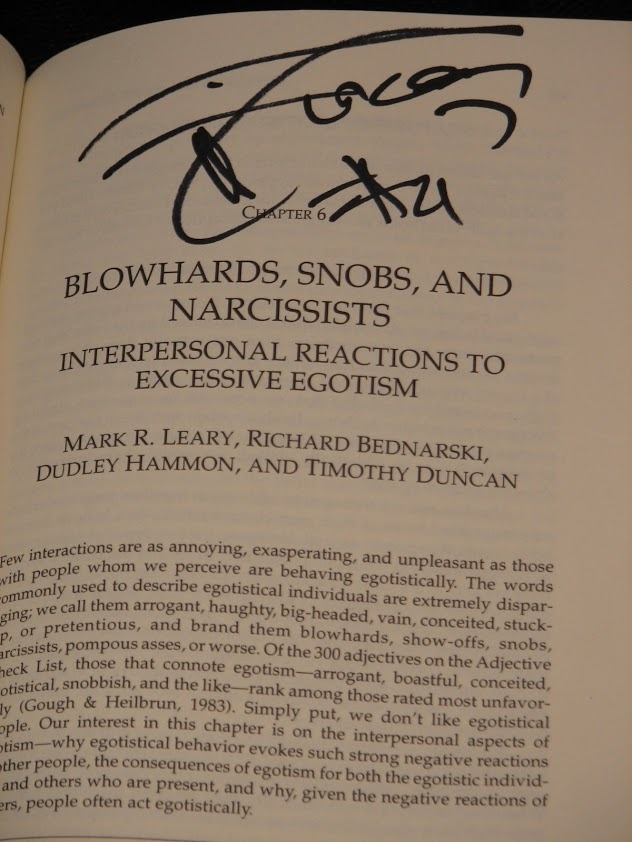
The ONLY Autographed Copy of Tim Duncan’s Honors Thesis!. Oh, Tim. Pretty neat story. Gotta say I’m a bit jealous.
Blue Ruin

Blue Ruin. Holy. Crap. Watch this movie. There’s some kinship with Shotgun Stories here, swirling around revenge and vicious family rivalry. Just multiply the intensity by 3 or 4. A wee bit of Fargo, too, what with the bumbling? Great acting, sound, editing, the whole package is legit. This will probably be very high in my 2014 rankings.
Locke

Locke. I really liked this movie. Two things it reminded me of: Arbitrage, because he’s in a really crappy position and he’s trying to make do. And Bronson, because it’s Tom Hardy putting on a one-man show and just nailing it. About 99% of it is watching him on phone calls while he’s driving. I love it when movies play with constraints like this. So good.
Imaginary Book #2




A spread from my forthcoming imaginary book, Steering into the Skid, which examines automobility and interiority in filmic (anti)heroism.
Delon in Le Samourai. Bacon in Footloose. Gosling in Drive. De Niro in Taxi Driver.
The Strange Tale of the North Pond Hermit
“With no audience, no one to perform for, I was just there. There was no need to define myself; I became irrelevant.”
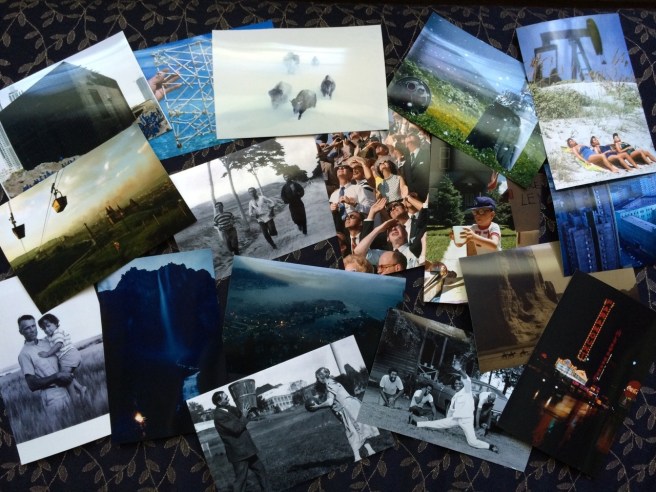
Note to self: awesome photos that I find online can be printed. I think I’m going to print and frame up my #trainstagram collection, too, now that I’m up to a dozen or so.
Don’t focus too much on this idea that your influences will be similar to people whose films you admire. In fact, it’s really the opposite: You like people who are doing something completely different, and it’s very relaxing to you because they’re dealing with all kinds of problems you don’t have to deal with.
A Most Wanted Man
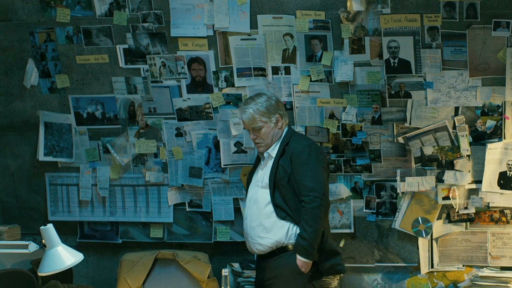
A Most Wanted Man. No one I saw it with agreed with me, but I thought it was really good. Has a similar feel to Tinker Tailor Soldier Spy: cold, deliberate. This isn’t the sexy/sneaky side of spying. This is conversation, paperwork, negotiation, management. Every now and then you get to use a hidden camera. The only other Anton Corbijn film I’ve seen is The American, and it’s great.
Guardians of the Galaxy

Guardians of the Galaxy. It’s good. Nice to see superhero movies trying to be a bit more lighthearted and funny. Too bad the villains and the climax are so lame. I’d still put the Captain America movies at the top of my Marvel rankings, but this is close behind.
A Decade Later, Whither the Metrosexual
The men’s care industry killed metrosexuality by co-opting metrosexuals’ grooming habits and repackaging them as masculine and paternal. Same goes for the renaissance of old-school men’s shops, where conditioning skin and softening hair is neither “metro” nor “narcissistic,” but “classic,” and “quality.”
Against “Against [X]” – The New Yorker
“Against [X]” is often not just an effective rhetorical form but also a canny career move: against X as an implicit argument for the polemicist.
 Mark Larson