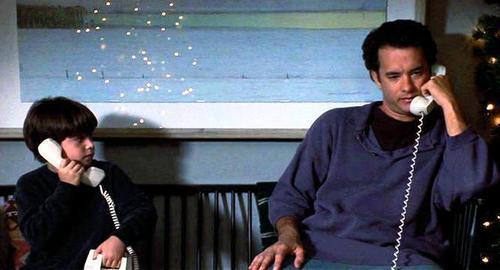
Sleepless in Seattle. ‘93 Meg Ryan, you guys. It’s uneven, but I love how the first hour or so everybody has to wrestle with dreamy wistfulness/“something’s missing” kind of feelings vs. carpe diem/“go get’em” bootstrapping.
Sleepless in Seattle. ‘93 Meg Ryan, you guys. It’s uneven, but I love how the first hour or so everybody has to wrestle with dreamy wistfulness/“something’s missing” kind of feelings vs. carpe diem/“go get’em” bootstrapping.
Never attribute to something other than fear that which can be attributed to fear.
The villain is the slaveholder Calvin Candy. He is evil, and as loquacious as anyone in Spielberg’s film; he is suave, and he dispatches his slaves casually and horrifically. At the center point of the movie, he delivers a long, intimidating speech on phrenology. The difference between the races, he explains, is physiological: the construction of the African American skull reveals the construction of their brains, and it is this construction that makes them inferior. […] Here, we are at the epicenter of Tarantino’s vision: the villain is exactly as cool and violent as the hero. Given this tenuous balance, morality becomes a matter of keeping, and defending, a code. This is American history as a story in which the qualities of greatness are also the qualities of terror; it is a vision that understands the double-edged nature of our proclivity for violence and our existential belief in the individual.
Tarantino and Spielberg: Two Visions of America – Bright Lights Film Journal

The Act of Killing. It follows a few semi-retired Indonesian gangsters/mass-murderers as they make an increasingly bizarre movie about their youth. Probably the most intense documentary I’ve seen. And not at all because it’s graphic (It’s not – the most wrenching scene for me, spoiler, was when you see these guys go on a neighborhood shakedown for cash. It is completely heartbreaking.). It’s just morally rich and a really interesting text, excuse the academic-ese. All about storytelling, memory, forgetting; the influence of movies; youth vs. age. Totally worth it.
There was a time when just about anything — dumb commercial entertainment, ugly clothes, the weird dishes your grandmother used to serve — could be appreciated and appropriated in quotation marks. Strained pulp is not quite that — its celebration of the formerly marginal and disreputable is serious and sincere. The condescension is not overt but is latent in the desire to correct and improve the recipes retrieved from the past, to finish vernacular artifacts with a highbrow glaze. We’re going to make ’em — movies, cocktails, regional dishes, zombie novels, garage-rock anthems — just the way they used to, but a little bit better. This strikes me as a form of snobbery. But then again, maybe I’m the snob.
There has never been so much future in my life as at that time.
I’m trying to imagine how my 8-year-old self would have reacted to this. Pretty nifty.
Only on special “it’s such a nice day!” kind of days do people want to go outside. But what’s a nice day? Well, it’s a day when the temperature outside approximates the results of indoor climate control technology.
Deserve’s got nothing to do with it.
On the other side of the equation, I can’t bear the thought that people think they have to move to New York to work in publishing, especially when the future of this country, and the publishing industry, is going to be found outside of New York.
My buddy @WillEvans is the coolest.
Not New York: Building Book Culture in Dallas, TX | Publishing Trendsetter

Pickling Basics: Easiest Refrigerator Pickles | The Kitchn. This might have changed my life. Early exit polls are promising.
Well this is… thorough.
Themes and analysis of No Country for Old Men (film) – Wikipedia, the free encyclopedia

No Country for Old Men. Still one of the best I’ve ever seen. I love this movie.
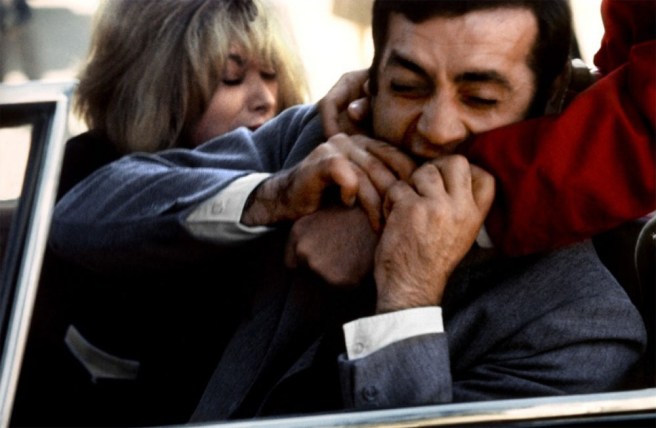
Weekend. I’ve seen unorthodox movies, before (like other Godard films) but… dang. Absurdist dystopia at its peak. Pleasantly surprised at the effectiveness of the soundtrack, and the traffic jam scene is a delight.
sprent
anchorite
tailorwise
carbolic
chancel
halms
scantlin(g)
vernier
hasping
jacal
purlieus
bistre
sotol
kerfs
scoria
ratchel
porphyry
mare imbrium
apishamore
marl
ignis fatuus
cibolero
enfilade
acequias
spanceled
azoteas
debouched
topers
chert
eskers
escopeta
shakos
caparisoned
serried
devonian
charivari
catafalque
ciborium
guttapercha
shacto
vedette
suzerain
almagre
roweled
withy
criada
sutlers
billets
spalls
whinstones
scrog
chorines
alameda
vigas
guisado
sclera
baldric
lemniscate
tiswin
demiculverin
revetment
holothurians
morral
alcalde
skelps
baize
cabildo
lazarous
scow
thaumaturge
atavistic
scapular
fard
sprues
alparejas
mansuete
replevined
pampooties
skifts
burins
dosshouse
pitero
matracas
nickered
bagnios
scapegrace
peignoirs
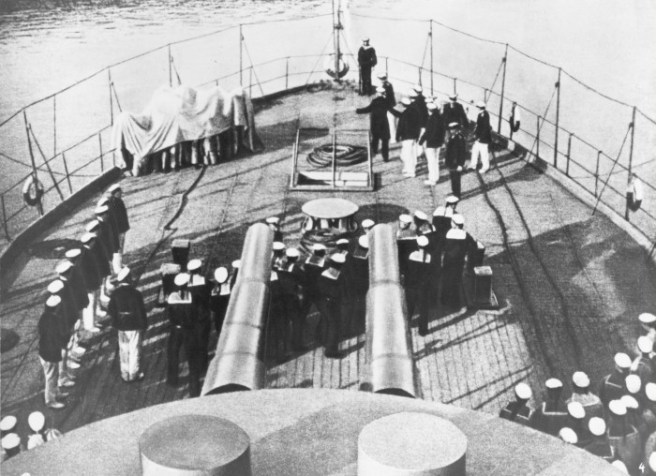
Battleship Potemkin. This is an Important Movie, I hear. I didn’t find myself completely edge-of-my-seat captivated from moment-to-moment, but it holds up pretty well and it’s still interesting for a number of historical reasons. That scene at the Odessa staircase is legit.
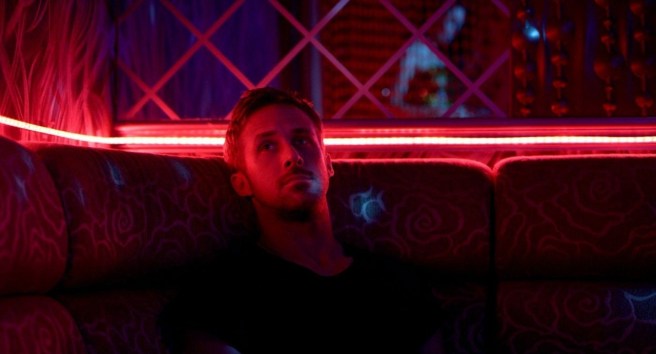
Only God Forgives. Almost fell asleep. Veeerrry nice to look at, here and there, but it’s kinda boring. Even setting aside plot and taking everything as symbol or allegory or myth or archetype, the tension didn’t hold for me. None of the energy or electricity you see in Drive. Not quite as starkly focused as Valhalla Rising. No knockout performance like in Bronson. All that said, I did dig the ongoing hands/power/potency theme, and the use of an international setting without a ton of dumb exoticizing.
One enduring feature of the art world is that a given piece will sell for much more in one context rather than another. The same painting that might sell for 5k from a lower tier dealer won’t command more than 2k on eBay, if that. Yet it could sell for 10k, as a bargain item, relatively speaking, if it ended up in the right NYC gallery (which it probably wouldn’t). Where does Amazon stand in this hierarchy? It doesn’t look promising.

Upstream Color. This is a special piece of moviemaking. I definitely dig it more than the first time I saw it, and I liked it a lot then. The sound really stood out this time. So much attention to detail. I knew I was going to watch it again, but the urgency increased after Mills wrote about it and then wrote a little more.

 Mark Larson