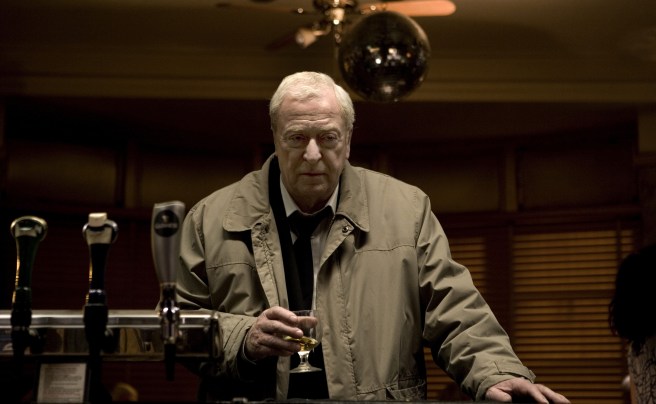
Harry Brown. Grumpy old man vengeance like Gran Torino, but much much more dark and grim and cynical. Too much so for me.
Harry Brown. Grumpy old man vengeance like Gran Torino, but much much more dark and grim and cynical. Too much so for me.
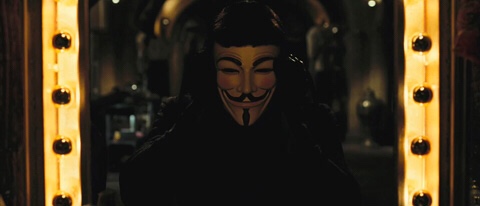
V for Vendetta. Wow, I didn’t remember this being so tedious. What a drag.
I was looking through some old journal entries and remembered seeing an exhibit of Erika Larsen’s photography. This series really stuck with me.
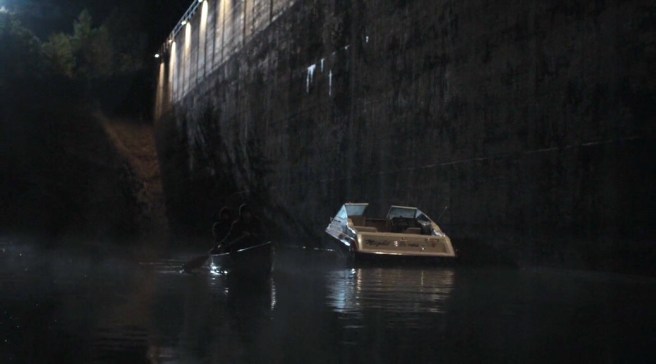
Night Moves. Second viewing (the first). I forgot how good this one is, visually. So many shots underscoring the protagonists’ perspective, seeing their environment torn apart, or reshaped, or unappreciated.

Leave No Trace. Loved it. Such a good quiet story. I like melodrama but it’s also nice to see this, too: just naked presentation of people trying to do what they must while trying to take care of each other. Other good movies with Oregonians wrestling with modernity: Old Joy, Night Moves, The Goonies.
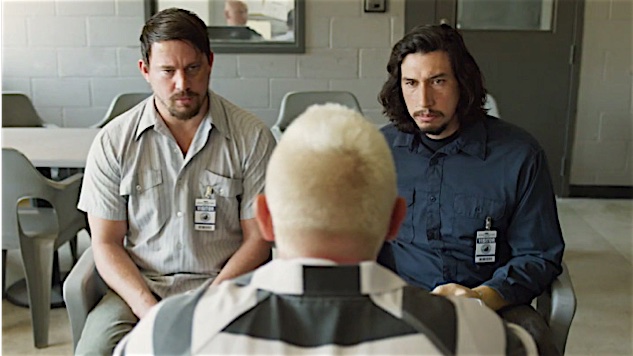
Logan Lucky. Preeeetty good. Heist movies are inherently absurd. Just gotta lean into it and I love that this one does. Neat to see scenes with cameos of local regular Atlantans like me. Shaky accents here and there. Can’t shake the feeling that at times it’s mildly classist in a pointing-and-laughing kind of way more than a laughing-with-them way. (Some defensiveness bubbling up, I think – I feel like I notice and feel this more about movies set in the South than movies with similar casts in other regions.) No less fun for it. Filed under: Steven Soderbergh.
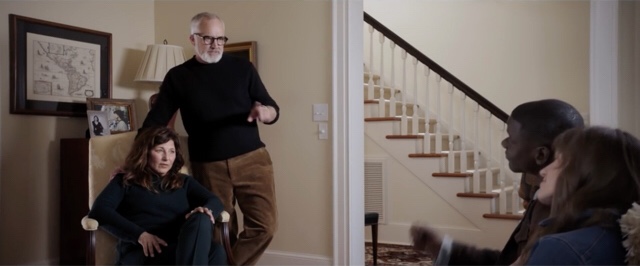
Get Out. The more I think about it, the better and better it becomes.

Kannathil Muthamittal (A Peck on the Cheek). Really really liked it. A child is orphaned by war and later seeks out her birth family. Took a couple turns I wasn’t expecting. I was a puddle. Soundtrack has some bangers, too.
There are really only two responses if you want to feel like you’re well-read, or well-versed in music, or whatever the case may be: culling and surrender.
Culling is the choosing you do for yourself. It’s the sorting of what’s worth your time and what’s not worth your time. It’s saying, “I deem Keeping Up With The Kardashians a poor use of my time, and therefore, I choose not to watch it.” It’s saying, “I read the last Jonathan Franzen book and fell asleep six times, so I’m not going to read this one.”
Surrender, on the other hand, is the realization that you do not have time for everything that would be worth the time you invested in it if you had the time, and that this fact doesn’t have to threaten your sense that you are well-read. Surrender is the moment when you say, “I bet every single one of those 1,000 books I’m supposed to read before I die is very, very good, but I cannot read them all, and they will have to go on the list of things I didn’t get to.”

Sahara. Really dumb, but also kinda subversive! There’s some, uh, provincialism and casual violence that doesn’t age well, but it’s fun overall. Love the big reveal moment. Normally in these sorts of adventure movies it’s a room full of treasure. Here, it’s toxic waste.
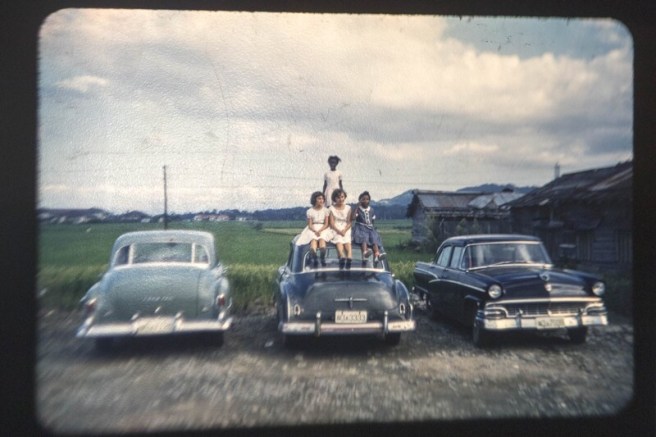
The Argus 300 Model III slide projector would be perfect for viewing the boxes of slides she’d inherited from her grandmother, she thought. She didn’t notice the original owner’s slides until later.
What a cool find. I hope they can learn more.


I loved this video essay, exploring a not-great movie’s self-awareness and the way it subversively advertises the blockbusters that paved the way for it. (Narrator Tyler Smith co-hosts two podcasts I also love, Battleship Pretension and More Than One Lesson.)

Twilight. Hoo boy. Yeah. It’s not great. There’s a lot of hopeful staring and stewing in the tension, which I imagine (hope) comes across better in the books. Here it’s just kind of stagnant. No flame, no heat.

Nobody Walks in L.A.. It’s uneven. I wish our heroes were more evenly matched, but she nobly spends a lot of time and effort dragging around a mopey dude. It picks up, though. I love a good walk-and-talk (e.g. Before Sunset, Before Sunrise, Before Midnight, Top Five, Certified Copy, Midnight in Paris).
Teju Cole on the sameness of travel photography:
The visitor to a place like the Roman Forum does not only take a photograph of the Forum; he also takes a photograph for the Forum. His photograph partly serves the narrative chosen by the Forum’s custodians. The visitor is inadvertently mesmerized not only by the site but also by the municipal or museological organization of the experience of the site.

Incredibles 2. I liked it more than the first one. This one seemed funnier, and I like that the main heroes swapped roles. The set piece with the Screenslaver chase, fight, and monologue was delicious.
Everything you’ve ever wanted and then obtained, except maybe for the very latest thing, is probably not providing any great satisfaction at this moment.
And later:
The farther your plan deviates from established “best practices” (i.e. how the people who actually achieve your goal tend to do it), the more likely it is that you don’t actually intend to do it.

Dear Zachary: A Letter to a Son About His Father. At some point last year I polled friends for movies that most reliably make them cry. They were right on this one. It’s completely gutting. Interesting how often documentaries can become their own subject, the creator becoming aware of and changing/reacting to the story in front of them as it goes along.

Faces Places. What a lovely documentary. I like the odd couple, clearly affectionate while also finding time to needle each other. I especially liked the mixed reactions to their art that they got from their collaborators. Some proud, some uncomfortable!
 Mark Larson