oldhollywood:

The rejection slip Essanay Film Manufacturing Company (1907-1925), a motion picture studio mostly remembered today for its series of Charlie Chaplin films, sent screenwriters whose submissions were found wanting (via Silent Movies: The Birth of Film and the Triumph of Movie Culture)

It is such a simple thing, but since I started, about three years ago, using Flickr and my top-secret notebooks to keep track of what I read, it has brought me a ridiculous amount of satisfaction.

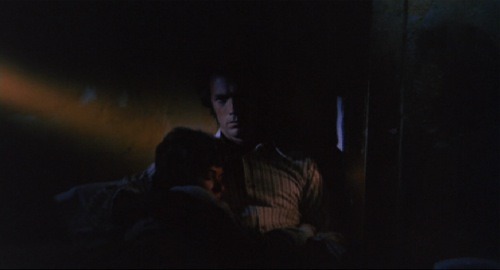
Play Misty for Me

Play Misty for Me. I was trying to decide what to watch this evening when I was driving back home. Lo and behold, Misty comes on the radio. Case closed. This was Eastwood’s first film as director, and for a lead actor known for tough-guy roles, his character is surprisingly passive here. He gets steamrolled by the batshit insane Jessica Walter. (I was so glad when I finally realized why she was so familiar). This one definitely holds its own against, say, Misery, Basic Instinct, and Fatal Attraction. Ebert gives it four stars. See also psycho-biddy and bunny boiler, two of my favorite new terms.

theatlantic:

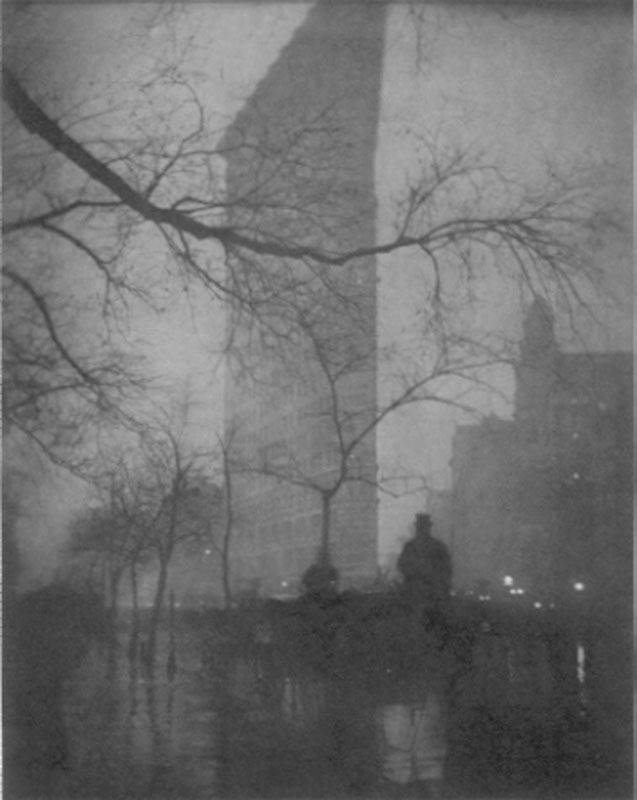
Alexis Madrigal reflects on a time when photographs resembled paintings:

Many works like Edward Steichen’s “Flatiron—Evening Camera Work 14” (above) play with fog and smoke. They hide things in the greyscale and even tend toward a hazy abstraction. Everything becomes a little harder to see and a bit more romantic. I’d long, lazily assumed that turn-of-the-century photos looked like this because of technical reasons, that this was just how cameras made photos at the time. That’s not true. These photographers were skilled enough and their techniques good enough that they could have made razor sharp portraits, but they didn’t. Instead, we have two decades where the best photographs work like memories not recordings.