How You Know

On re-reading:

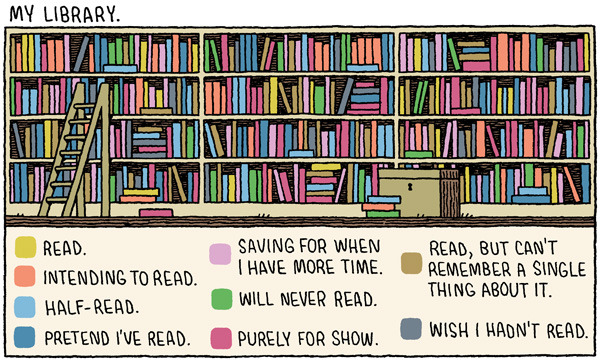
Reading and experience train your model of the world. And even if you forget the experience or what you read, its effect on your model of the world persists. Your mind is like a compiled program you’ve lost the source of. It works, but you don’t know why.

[…] Reading and experience are usually “compiled” at the time they happen, using the state of your brain at that time. The same book would get compiled differently at different points in your life. Which means it is very much worth reading important books multiple times. I always used to feel some misgivings about rereading books. I unconsciously lumped reading together with work like carpentry, where having to do something again is a sign you did it wrong the first time. Whereas now the phrase “already read” seems almost ill-formed.

How You Know

You Don’t Have To Be Pretty – On YA Fiction And Beauty As A Priority | The Belle Jar

We never say that all men deserve to feel beautiful. We never say that each man is beautiful in his own way. We don’t have huge campaigns aimed at young boys trying to convince them that they’re attractive, probably because we very rarely correlate a man’s worth with his appearance. The problem is that a woman’s value in this world is still very much attached to her appearance, and telling her that she should or deserves to feel beautiful does more to promote that than negate it. Telling women that they “deserve” to feel pretty plays right in to the idea that prettiness should be important to them. And having books and movies aimed at young women where every female protagonist turns out to be beautiful (whereas many of the antagonists are described in much less flattering terms) reinforces the message that beauty has some kind of morality attached to it, and that all heroines are somehow pretty.

Can we please change the script here?

You Don’t Have To Be Pretty – On YA Fiction And Beauty As A Priority | The Belle Jar

Enemy

Enemy. Unexpectedly good soundtrack. The more chamber ensemble feel is a nice change. Even got some bassoon leading the way at times. Two Gyllenhaals contrast in appearance (leather band dress watch vs. link sports watch; chinos vs. denim; blazer vs. leather jacket; Volvo vs. motorcycle) and behavior (hunch vs. swagger). Nice how each man (emotionally) is the one the other’s wife has been missing. Also a good reminder of how objectively difficult it would be to live someone else’s life – from basics like knowing which keys to use to family history, social circle gossip, etc. – and the futility of escapism when we have our own multitudes we should be reconciling. There’s a good car scene here, particularly as it settles down with a truck-mounted camera, which then cranes down and closer to the action. Not sure about the spider imagery. Something about weaving illusions, bread-and-circus distractions from real life (like the strip club).

Thief

Thief. So great. This was the first time I’d noticed a couple cameos from Manhunter stars: Dennis Farina (Manhunter’s Jack Crawford) as a henchman and William Petersen (profiler Will Graham) as a bouncer at the bar where Caan is late for his date. A few other nice camera/editing odds and ends I appreciated this time around:

  • During the diamond exchange in the diner, I like how he starts unwrapping one of the packages, then pauses, and the camera cuts away when the waitress arrives.
  • After Caan barges into the office, the blocking follows the shifting of power. Caan moves from the visitor’s chair in the owner’s office, then parallel to the desk, then moves behind the desk and forces the owner into the guest’s chair.
  • When using a tracking device to misdirect the cops, the camera tells the story as it zooms past three or four cars, then fixes on the bus.
  • The wide shots of the monolithic safe at the big heist me of similar shots at the El Paso bank in For a Few Dollars More.
  • Just about 99% of the movie is urban, but the final setting is in comfortable suburbia (the sort of life that Caan has been working toward). The climactic scene at the mob boss’s house is nearly silent up until the last moments, and then there’s a crane up into the trees…

One last bit of awesomeness is Willie Nelson’s character, Okla, dispensing some perfect life advice:

Lie to no one. If there’s somebody close to you, you’ll ruin it with a lie. If they’re a stranger, who the fuck are they you gotta lie to them?

Why James Cameron’s Aliens is the best movie about technology

Why James Cameron’s Aliens is the best movie about technology

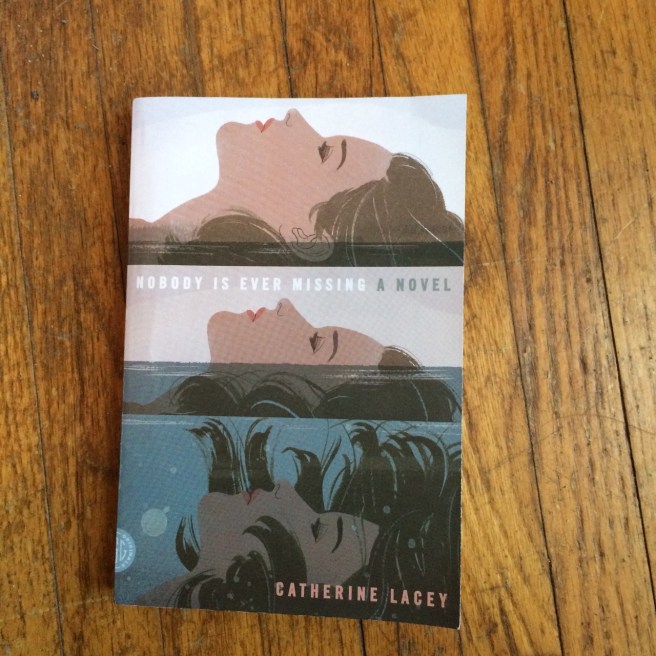
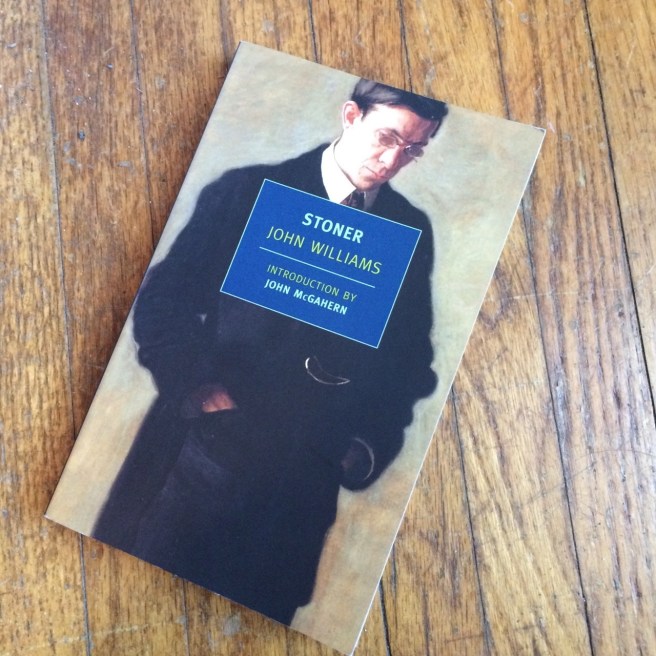
Stoner

I read John Williams’ book Stoner, and found it strangely mesmerizing. So direct and plain and sturdy and beautiful. A couple lines that liked, that also capture something of its directness. At dinner with friends:

They became a little drunk; they laughed vaguely and sentimentally; they saw each other anew.

While the hero rehabs his house and office, the importance of the spaces we create:

As he repaired his furniture and arranged it in the room, it was himself he was slowly shaping, it was himself that he was putting into a kind of order, it was himself he was making possible.

Other smart people agree that this book is great. It was Dean Peterson’s write-up that gave me the final nudge to buy it. Got on my radar when I heard about it from Austin Kleon, Ben Casnocha, Steve Almond, Tim Kreider, et al.

Night Moves

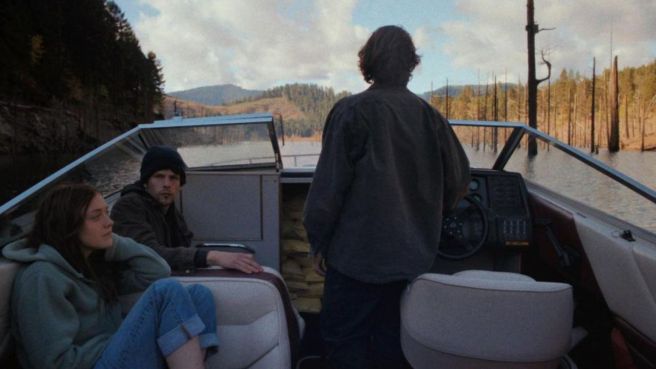
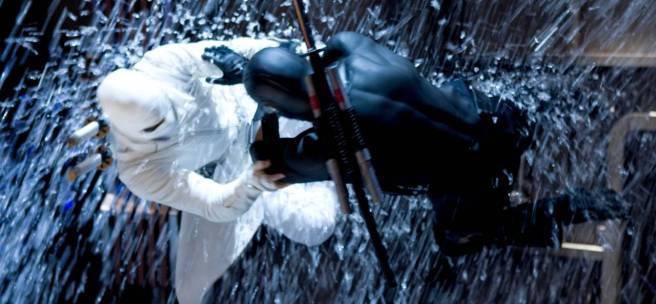
Night Moves. Movements of all sorts cultivate their own extremists. Part of being on that fringe is wrestling with futility. Even if you accept that you’re not able to do one huge world-changing act… you may not even be at peace with your own puny effort. Reichardt captures pretty standard thriller genre stuff with a spooky calm. The lead-up to and climax at the dam is brilliant. I love the scenes with jabs at how we’ve alienated ourselves. There are glimpses of homes with heavily landscaped backyards that imitate nature itself; leisure activities like golf in the same faux-natural environments; campgrounds where people sit in RVs and watch TV; gear stores that sell a squeaky-clean impression of interest in the outdoors; etc. Been a while since I’ve seen a character use a public library. Eisenberg is a master of sulking. He’s so good.

The Dark Science of Pop Music

The Dark Science of Pop Music

Jack Reacher

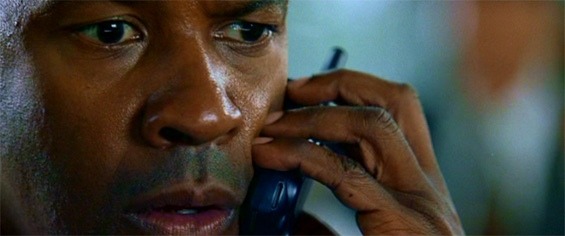
Jack Reacher. I liked it the first time, but I appreciate it so much more now. More subtlety than I remembered, like starting with a solid 8-10 minutes without dialogue. More great humor than I remembered, like Reacher sometimes acknowledging that he’s a bit ridiculous. And the mouthing off before the fight outside the bar. Love the dynamism in the car chase, great filming there. Also LOVE how he takes control of the hostage negotiation on the phone. There’s nothing else like it. This, then Oblivion then Edge of Tomorrow is a solid three-year run.