Moon

Moon. I really liked this one in the end. Good score, too, aside from a couple piano interludes. I was expecting a psycho-mind-bender kind of thing where we watch Sam Rockwell lose it for an hour. That does happen, for a bit. At first I was skeptical about the twist and the HAL-esque computer friend and the token evil corporation. But then, it turns into a surprisingly effective little deliberation on identity and memory and ethics and such. Recommended!

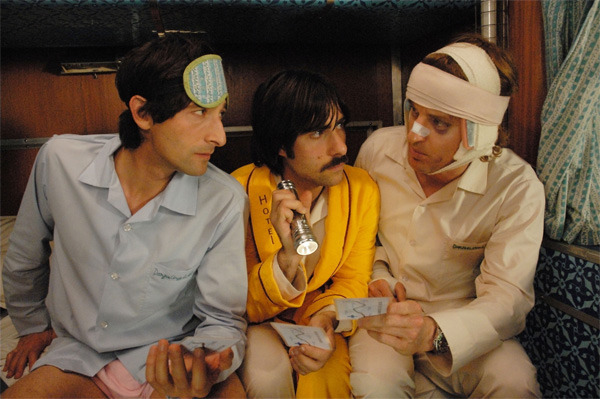
Rushmore

Rushmore. This is my second Wes Anderson film (previously). I knew next to nothing about it before I started, maybe some prepping would have helped. In the end I say, “not worth it”. I almost didn’t finish. Next up, Royal Tenenbaums.

The Rules of the Game: A Fuller Thought on J. Hopper and Vampire Weekend

The critic, ever wary of a band like Vampire Weekend’s likely privilege, doesn’t look very far into what, if anything, they’re saying about class — so sure is she that her take on class issues will be more important and incisive. The critic, ever wary of the band’s interest in African music being dilettantish, doesn’t much ask how that influence is operating — so sure is she that her relationship with African music is deeper, more solemn, more respectful. And at some point we’re barely reading criticism anymore: we’re just watching the refereeing of a game we’re all too familiar with.

(via. see also)

Not every end is a goal. The end of a melody is not its goal; however, if the melody has not reached its end, it would also not have reached its goal. A parable.

Nietzsche. Yeah, I kind of hate to be that Nietzsche-quoting guy, but I read it in Gretchen Rubin’s book The Happiness Project this morning and it stuck with me.

Tyson

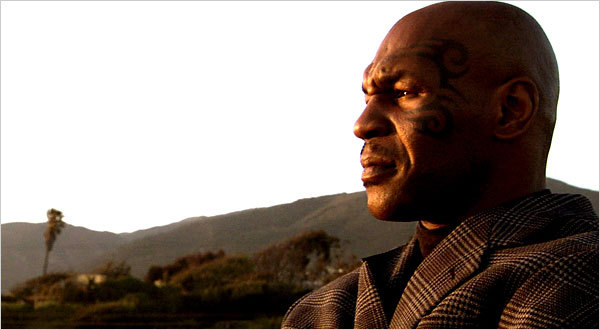
Tyson. It’s a great movie. Tyson narrates the whole thing, which is interspersed with footage from his entire career. What could be boring talking head scenes are somewhat enlivened with multiple camera angles, split screens, cuts, etc. You can’t help but feel some sympathy for the guy.

Beethoven’s laptop. That’s a clever little desk, no?

In the last weeks of Beethoven’s life this travel desk was placed right next to his bed. Three days before he died, he wrote a codicil to his will at the desk, in which he named his nephew Karl as his sole heir. Beethoven probably kept his letter to the Immortal Beloved in the open compartment shown here.

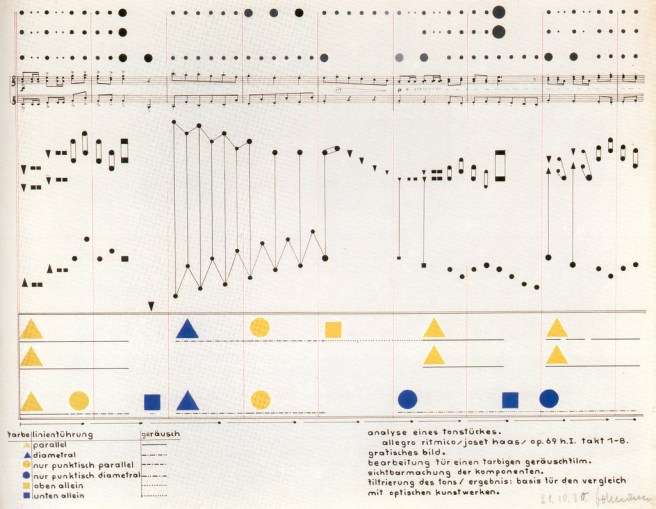
Heinrich-Siegfried Bormann – Visual analysis of a piece of music from a color-theory class with Vasily Kandinsky. October 21, 1930. (via)

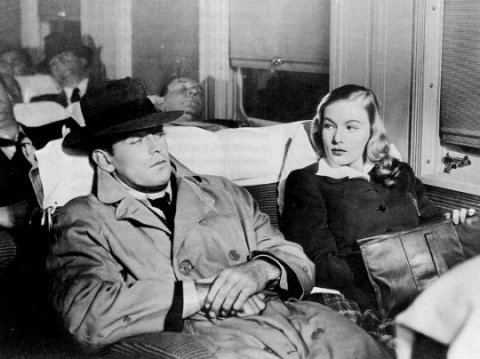
This Gun for Hire

This Gun for Hire. This is a very average movie. But it does have Veronica Lake. It’s also fun to see some of the cliches we still use 70 years later: evil paraplegic businessman; tense stand-off in a chemical plant; escaping from police pursuit via jumping on a train from a bridge; poorly aimed gunfire piercing barrels, which then leak; etc.

Sexual Politics of Dancing: The Secrets of Looking Good on the Dance Floor

This whole article is great. (via)

The largest degree of satisfaction can be found in girls under the age of 16. “They see dance as something fun, not as part of mating behavior,” says Lovatt. That changes around the age of 16. “Between 16 and 20, dance confidence among girls falls markedly,” says Lovatt. “Girls begin to see dance as a social act rather than a way of expressing themselves. They begin to worry about how they look and start searching for a boyfriend.”

But once young women have come to terms with their lost dancing innocence, the satisfaction ratings start rising again. From the age of 20 onwards, their opinion of their own dance floor competence starts to improve and keeps increasing until the age of 35. After that it hits a plateau, however, as satisfaction levels stagnate. From 55 onwards, the value even drops. “That coincides with the menopause,” says Lovatt. And it doesn’t get any better: “Dance confidence remains low for the rest of a woman’s life.”

The pattern is somewhat different among men. Their dance confidence levels keep rising until the mid 30s. It then stagnates before starting to sink from the age of 55 onwards. But then, surprisingly, men get a second wind. From 65 on, they start to once again see themselves as pretty smooth operators on the dance floor.

Sexual Politics of Dancing: The Secrets of Looking Good on the Dance Floor