“Look for a creamy patch. It’s called the field spot — the place where the watermelon rested on the ground. The deeper in color, the longer the fully grown melon was on the vine getting sweet.”
August 18, 2010
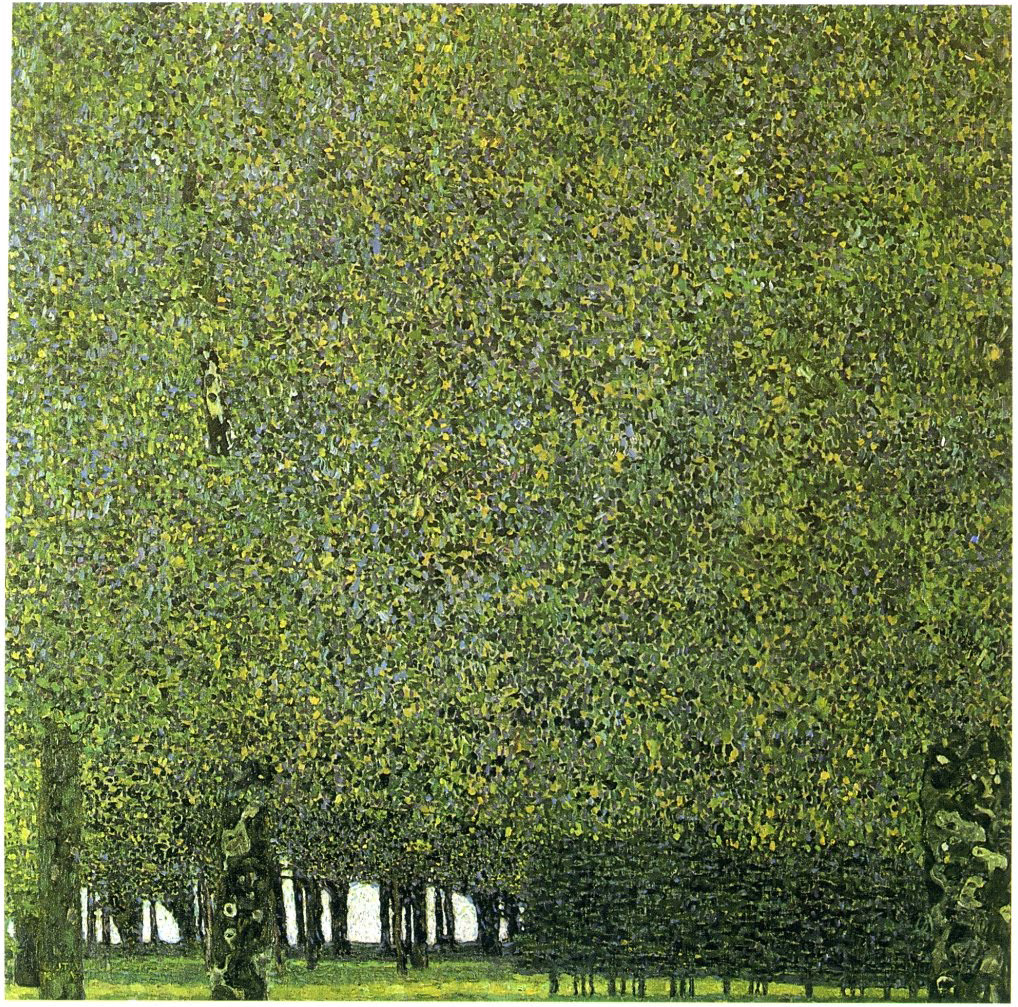
Gustav Klimt - The Park, 1909 -1910. (via wnbrgr)
August 18, 2010
The toy is the child’s earliest initiation into art, or rather for him it is the first concrete example of art…
Charles Baudelaire, “A Philosophy of Toys” (via) cf. “[Making art is] practicing a physical activity with a certain state of mind. It’s similar to a kid who is absorbed in deep play. A kid with a toy is in a relationship with that toy. The toy is playing with him just as much as he’s playing with the toy.” - Lynda Barry (via austinkleon)
Midnight in the Garden of Good and Evil
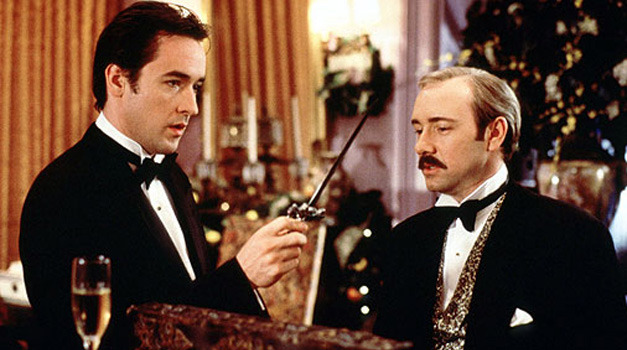 Midnight in the Garden of Good and Evil. Couldn’t talk my friend into a Western, so this was the Eastwood-directed compromise. As I expected, it’s a dud.
New York Study of Pedestrian Victims Leads to Unexpected Conclusions - NYTimes.com
“Jaywalkers were involved in fewer collisions than their law-abiding counterparts who waited for the "walk” sign, though they were likelier to be killed or seriously hurt by the collision.“
New York Study of Pedestrian Victims Leads to Unexpected Conclusions - NYTimes.com
Chicago on the Yangtze - By Christina Larson | Foreign Policy
“Welcome to Chongqing, the biggest city you’ve never heard of.” (No relation.)
Chicago on the Yangtze - By Christina Larson | Foreign Policy
August 15, 2010
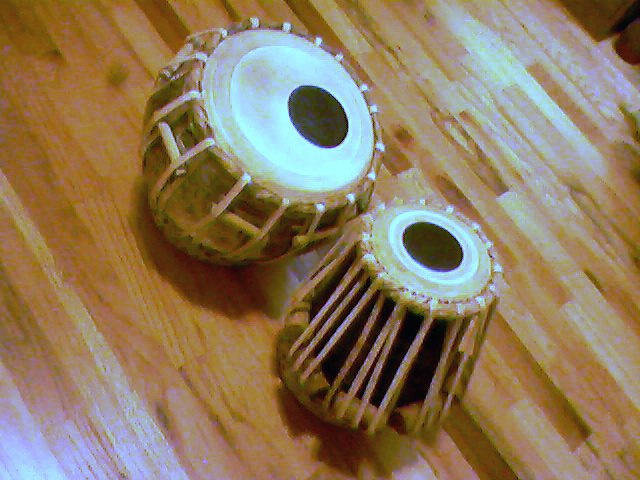
New toy. Now I can finally put those tabla lessons by Venkat to use. Which reminds me…
Economic View - Why Free Parking Comes at a Price - NYTimes.com
Once Upon a Time in the West
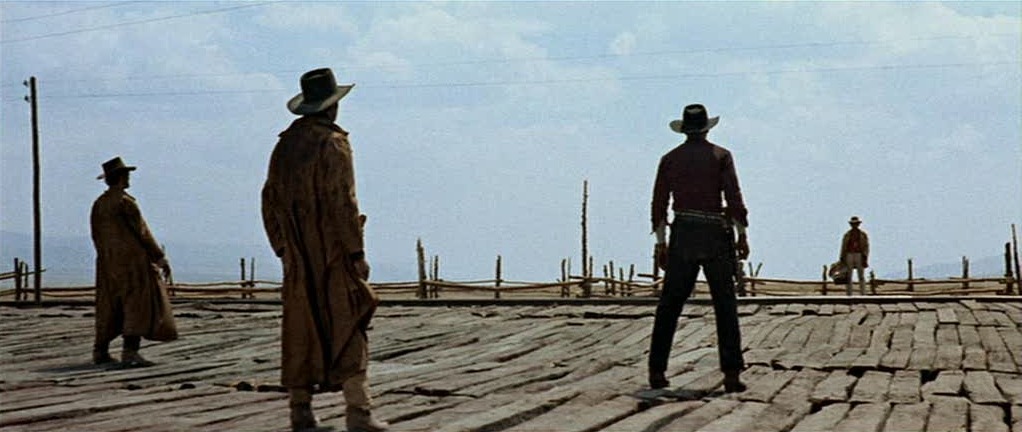 Once Upon a Time in the West. It’s awesome. One of the most satisfying stories you’ll come across, from the opening title sequence to the very end. Like The Good, the Bad and the Ugly, I’d seen and enjoyed most of this movie before, but this was the first time I’d set aside time for the whole thing in one focused sitting. It’s long, sure, but most definitely worth watching a few times.
Taco stands and gun ranges in Houston, TX - Google Maps
August 12, 2010
Art really saved my life because art is how I proved that I wasn’t a malingerer.
Interview with Chuck Close. A long, wonderful discussion of his life and work. Topics include playing to your strengths, supportive parents, taking art classes in a brothel, and much much much more.
August 12, 2010
1-Bit Symphony. “1-Bit Symphony is not a recording in the traditional sense; it literally "performs” its music live when turned on.“ This is brilliant. (via)
(Source: https://player.vimeo.com/)
August 12, 2010
Everything’s the perfect back drop for a suit.
August 12, 2010
Restrepo — A Film by Sebastian Junger & Tim Hetherington. Good-looking documentary. I hadn’t heard of this one. Ebert says ★★★★.
(Source: https://www.youtube.com/)
Mulholland Drive
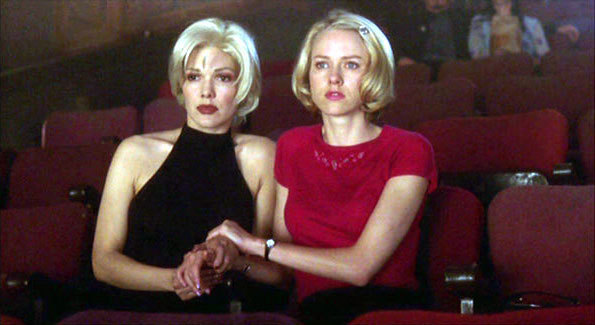 Mulholland Drive. I liked this one. My second David Lynch film. Definitely worth repeat viewings if you’re into solving things and trying to piece together a definitive interpretation (oxymoron?). Lynch himself offers 10 clues to sort out this episodic, surreal, dreamy thing. But I doubt I’ll see it again. I was just glad to see Lynch redeem himself after the snoozer that was Blue Velvet.
August 11, 2010
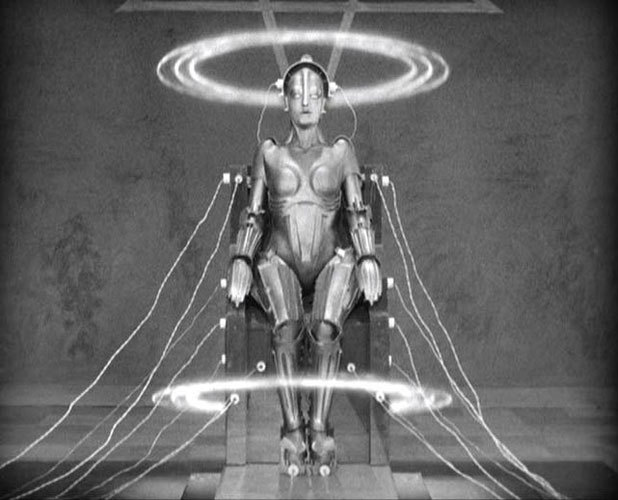
Fritz Lang’s Metropolis: All New Restoration. Coming to Atlanta October 1-7!

Why Elite Shoppers Eschew Logos
It’s signaling, folks. Really interesting stuff. Geoffrey Miller talks about this in Spent: Sex, Evolution, and Consumer Behavior, which I recommend highly. In my review I summarized Miller on the three basic ways we signal through our purchases: conspicuous waste (in this context, perhaps fine fabrics, oversized garments, layering, duplicated accessories), conspicuous precision (luxury watches, perfect cut & fit, subtle hand-stitched details), or conspicuous reputation (recognizable logos, patterns, etc.). Few books have affected my everyday thinking so much. (via putthison)
August 11, 2010
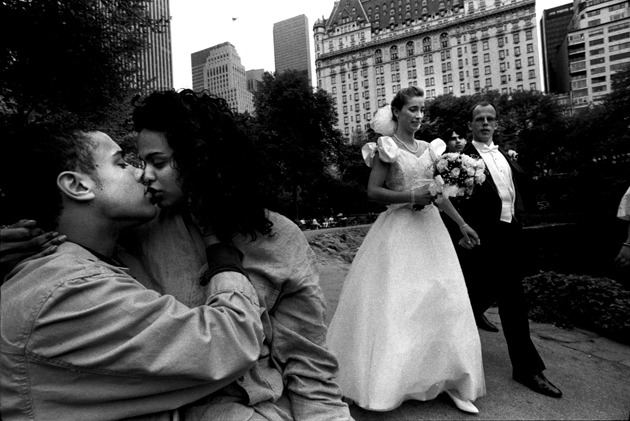
Newlyweds in Central Park, New York City, 1992 by Bruce Davidson. Featured in The Marrying Kind.
The Wrong Stuff : Those Three Little Words ("Honey, You're Right"): Harville Hendrix on Being Wrong
Anger is an attempt to coerce a person into surrendering their reality, so that there’s only one reality in the relationship instead of two. And when the anger triggered by the anxiety doesn’t work, people experience depression. Depression is the experience of the loss of power: “I can’t make my world happen.”
Once they go into depression, couples—if they stay together—will then enter a bargaining stage. The bargaining goes like this: “Well, OK, I’m different and you’re different, so let’s make a deal about whose reality is going to be in the forefront.”
The Wrong Stuff : Those Three Little Words ("Honey, You're Right"): Harville Hendrix on Being Wrong
August 10, 2010
Dallas and Los Angeles represent two distinct models for successful American cities, which both reflect and reinforce different cultural and political attitudes. One model fosters a family-oriented, middle-class lifestyle—the proverbial home-centered “balanced life.” The other rewards highly productive, work-driven people with a yen for stimulating public activities, for arts venues, world-class universities, luxury shopping, restaurants that aren’t kid-friendly. One makes room for a wide range of incomes, offering most working people a comfortable life. The other, over time, becomes an enclave for the rich. Since day-to-day experience shapes people’s sense of what is typical and normal, these differences in turn lead to contrasting perceptions of economic and social reality. It’s easy to believe the middle class is vanishing when you live in Los Angeles, much harder in Dallas. These differences also reinforce different norms and values—different ideas of what it means to live a good life. Real estate may be as important as religion in explaining the infamous gap between red and blue states.
Virginia Postrel, A Tale of Two Townhouses (via christmasgorilla)