Here I use Storify to make fun of needing to use Storify.
Vanguard after the Revolution: Bill James sparked a baseball insurrection, but he has regrets about the world he wrought
“I have to take my share of responsibility for promoting skepticism about things that I didn’t understand as well as I might have,” he says. “What I would say NOW is that skepticism should be directed at things that are actually untrue rather than things that are difficult to measure.”
Ten Short Rants About #GamerGate | Popehat
But here’s the thing: people will draw conclusions about your motives based on your timing and your chosen vehicle.
That Catcalling Video and Why “Research Methods” is such an Exciting Topic (Really!)
Without understanding research methods, you cannot understand how to judge what you see. […] The important methodological point is that the video, without further reflection, can support all three wildly incompatible propositions. In other words, if you just look at the video, you can believe any three, and you will likely choose whichever fits your existing conclusions and prejudices.
That Catcalling Video and Why “Research Methods” is such an Exciting Topic (Really!)
Why people cling to their hates so stubbornly
I imagine one of the reasons people cling to their hates so stubbornly is because they sense, once hate is gone, they will be forced to deal with pain.
James Baldwin (via malevichsquare)
The Frighteners
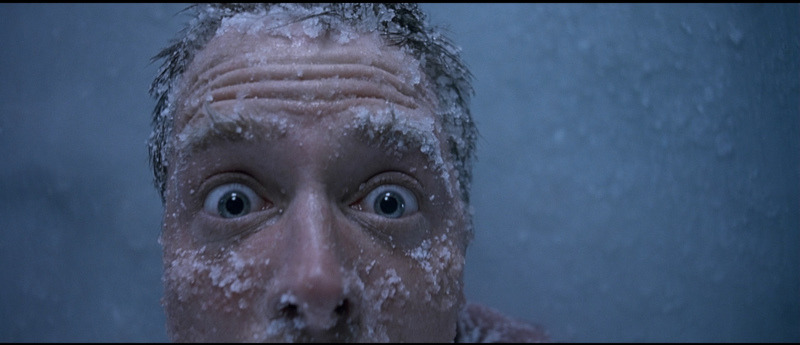 The Frighteners. I feel like there’s a very, very good version of this movie lurking beneath the (kooky, stylish) one that actually exists. Good comedy-horror for the most part. The final act is exhausting (seems like many horror movies go awry when they give the villains too much screen time). Jeffrey Combs plays one of the best FBI agents in film history, and man, just imagine: what if – what if – Michael J. Fox had stayed healthy.
William Gibson Has No Idea How the Future Will See Us
“In time-travel stories, we tend to imagine that the people in the past are hicks and rubes. And when we imagine people in the future in time-travel stories, they’re always weak and decadent.”
China Moon
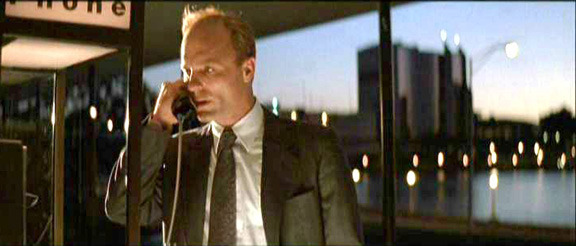 China Moon. Florida noir! I wish I remembered this one better, but I liked it. Fun to see such a young Benicio del Toro. Director John Bailey did the camera work for the excellent American Gigolo and also contributed to Two-Lane Blacktop and Days of Heaven.
John Wick
 John Wick. This movie was much better than it needed to be. Oddly inventive, and I love the world they built, with the secret clubs, clean-up contractors, doubloons (!), industry hotel, etc. It’s been a while since a movie had so many judo slams. Also love the way Wick would disable a nearby opponent, turn his attention to more distant ones for a moment, then turn back to neutralize the close one. His fighting had a sense of style, a personality. I need to watch Point Break again.
Dark Days
 Dark Days. A remarkable documentary about people – a community, a neighborhood you’ll see – living underground in New York City. One thing that many great documentaries have in common: just letting people talk. Heartbreaking, funny, heartwarming. Recommended.