 The Raid: Redemption. This is an implausibly heightened* excuse for great choreography and fightin’. (*a pregnant wife; an innocent bystander who needs to deliver medicine to his bedridden spouse; an unauthorized mission without backup; corrupt leadership; sibling rivalry; etc.) I loved early parts of the movie, where there was more play with music vs. silence, shadow vs. light, when things felt more precarious. Once the shit hit the fan, it was still fun, but more predictable, and less interesting. Transitions got a bit awkward as the stories splinter and rivalries come a head, and people start talking more. I think I would have appreciated something leaner, and something that took more advantage of the architectural aspect like Die Hard. Good relentless fun, though. Two more things: 1) I am getting a bit too old and squeamish for gore, and 2) that moment when the camera drops through the floor (!!). Another movie that’s “pure gold when it comes to the art of moving cameras around moving bodies doing cool things”: Ninja.
Point Break
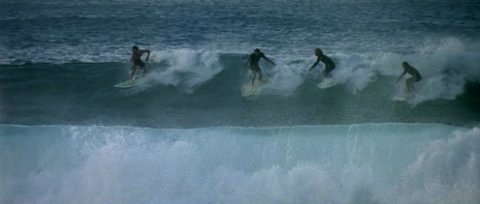 Point Break. So damn good. Sensual west-coast crime cat-and-mouse rivalry a la Heat. I need to move to L.A.. I don’t know what it was, but that lawnmower scene had the most viscerally tense squirmy moments of anything I’ve seen since, maybe Compliance? I also liked Kathryn Bigelow’s The Hurt Locker, and loved Zero Dark Thirty.
Google Street View cameras taking weird museum selfies

Michael Bay: What is Bayhem?
Michael Bay - What is Bayhem?. Looks like I’ll be combing through the archives at Every Frame a Painting soon.
(Source: https://www.youtube.com/)
Optimism is often dismissed as false hope
Optimism is often dismissed as false hope. But there is also false hopelessness.
Text of the 2014 Commencement address by Bill and Melinda Gates
The Crying Game
 The Crying Game. I think contemporary eyes will guess The Big Twist like I did, and it doesn’t matter because the story and characters are good enough to keep you hooked. Strange turns and odd narrative devices abound.
The Firm
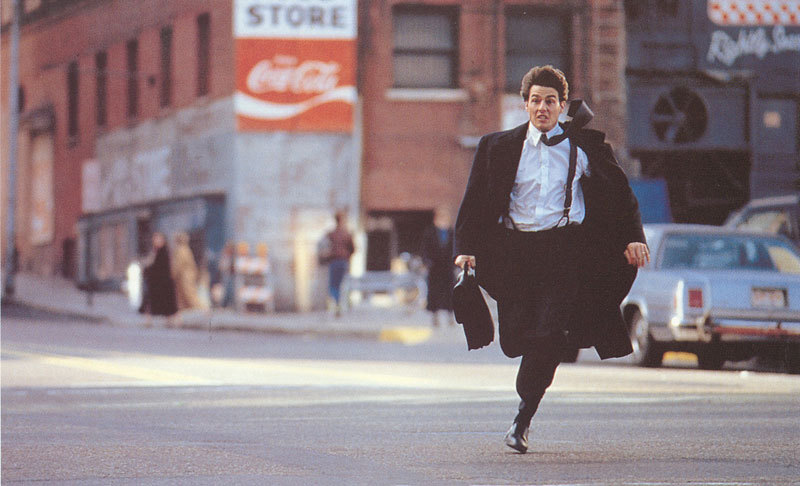 The Firm. Better than I remember! I like that the early parts stay upbeat while maintaining the foreshadowing. You can be ominous without being dark. Good momentum through the whole thing. An even better Sydney Pollack film is Three Days of the Condor.
I hate the phrase about women “wanting to have it all”
I particularly hate that phrase about women “wanting to have it all.” Because that’s not about women, it’s about humans. The humans want to have it all! Blame the fucking humans who situated themselves halfway between the beasts and the gods and then discovered it was an uneasy place to be.
“Forgive@h3r”
Write Flight: When White Hoops Writers Run Away from White Players
Most journalists have gotten over using the archaic terms of past generations. Every once in a while that coded language will flare up again (as it did during Jeremy Lin’s emergence a couple of years ago, and when Richard Sherman went off a couple of months ago) but for the most part we know better. We don’t connect ability to chromosomal sequences anymore. Well, except for white basketball players.
Not looking for pity for the white man here, but it’s something I’ve noticed, too. Thoughtful writing on race, sports journalism, and lazy thinking.
Write Flight: When White Hoops Writers Run Away from White Players