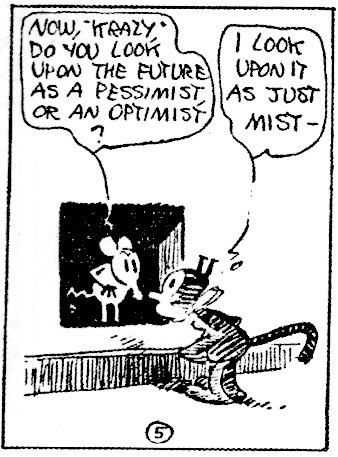
I like to read my poems, but I don’t like to hear other people read theirs.
Kay Ryan. Zing!
I like to read my poems, but I don’t like to hear other people read theirs.
Kay Ryan. Zing!
Energetic, prone to folly, and warmly sincere, Frances is perhaps the best illustrated character to come out of film in ages, both a perfect fit for the contemporary environment she inhabits and yet timeless in how human she is.
Nodding my head every other sentence. Really great appreciation. I, too, loved this movie.
They are closer than most friends, intimate emotionally with one another more than most people on screen are (unless someone is dying). But the fact that they exist as two separate people whose interests evolve is critical to understanding why Frances and Sophie work as a couple and why Frances Ha works as a film.
“I Like Things That Look Like Mistakes”: The Perfect Imperfection of Frances Ha
 Snowpiercer. I keep thinking about this one. There are plenty of logical flaws, loopholes, heavy-handed messaging, whatever. But it’s so cool. The railroad car constraint lends to some great invention with sets and storytelling and form. Evans shows some range you don’t get to see in the Marvel movies. Swinton drives me nuts sometimes, but I really appreciated her role here for both evil and levity. I rank this highly among 2014 releases, in the good company of Edge of Tomorrow, The Grand Budapest Hotel, and The Lego Movie.
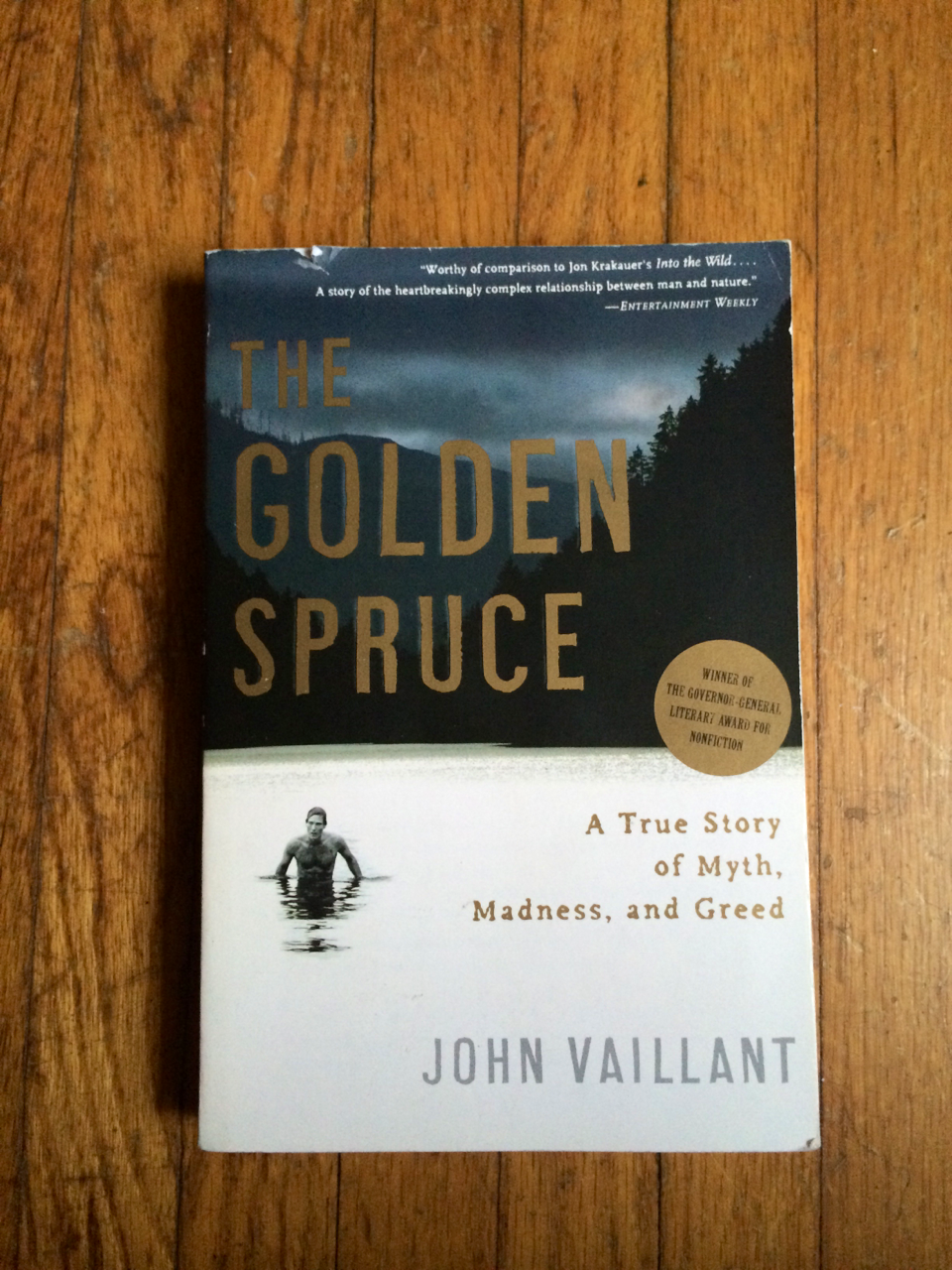 I read John Vaillant’s book The Golden Spruce: A True Story of Myth, Madness, and Greed on Ryan Holiday’s recommendation. The writing was a bit too overstuffed/awestruck for my tastes sometimes, but there’s some good material in there about the history of the Pacific Northwest and the rise of the modern logging industry. An even better book about man vs. nature: Vaillant’s The Tiger, which is absolutely incredible. I tumbled a couple good excerpts a few years ago.
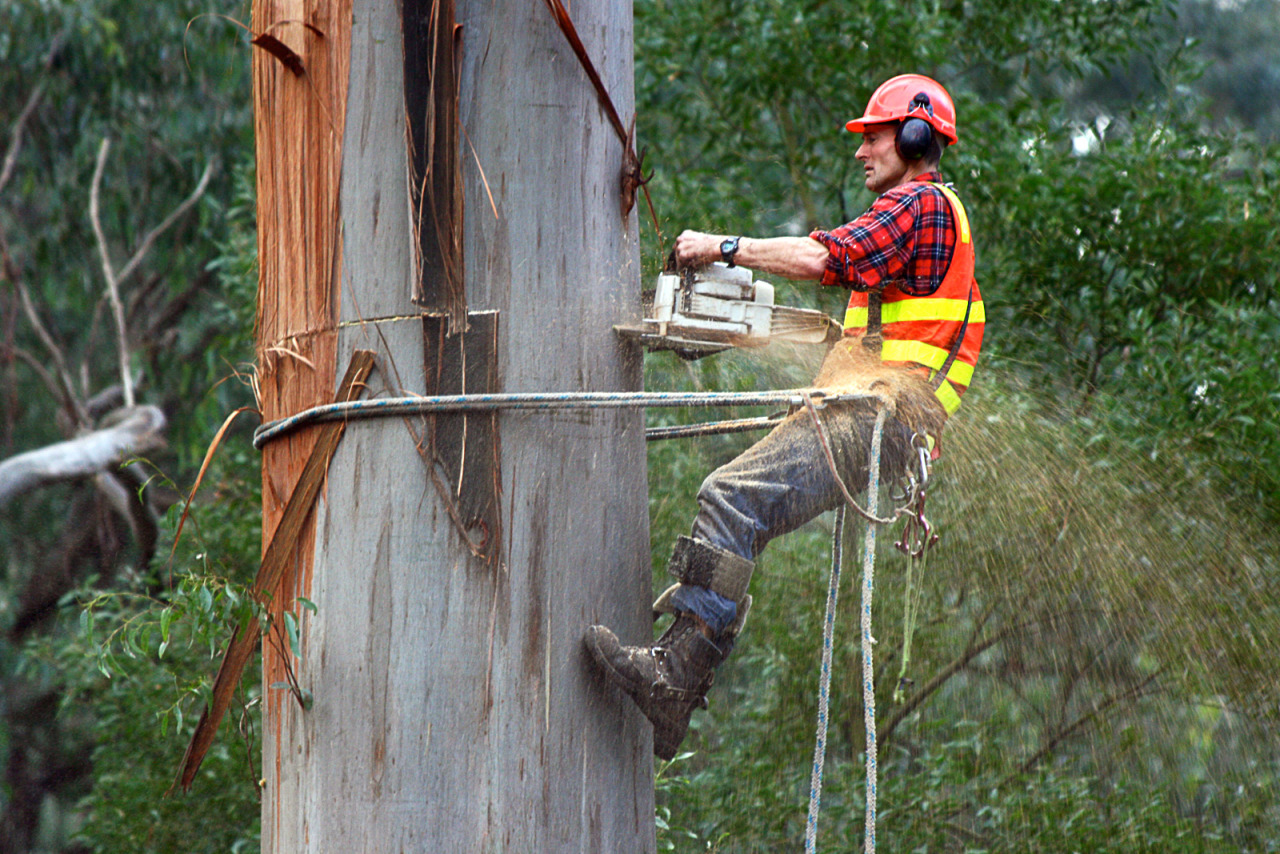
“Arguably literature’s basic charge is to describe being in the world—the Grainger catalog reveals just how extensively our writers have failed to document the varieties of work happening now, and the hyper-precise terminology surrounding that work.”
Dan Piepenbring on the wonders of industrial-supply catalogs.
Neat piece on the specificity of words and the specificity of tools, materials, and devices found in this mammoth catalog. This was a highlight, in his discussion of item descriptions:
“If ‘For sale: baby shoes, never worn’ counts as a story, then so, too, must ‘all-wood coffins store flat and assemble without tools. Can be stacked 3-high when assembled to maximize space in mass-casualty emergencies.’ Or: ‘High-visibility warning whips alert other vehicles of your presence.’ Or: ‘Stretch knit material covers head to protect from overspray.’
Choosing an audiophile amp and DAC are difficult because audiophiles will tell you a great deal of unscientific wine-tasting descriptions of how each component sounds, then recommend whatever they bought.
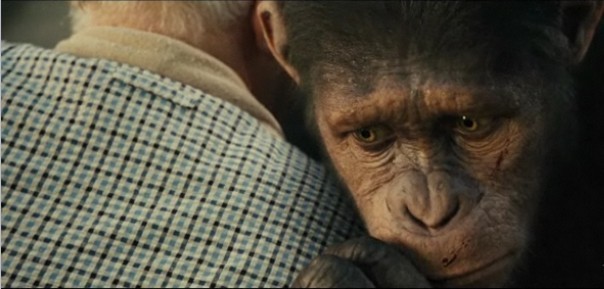 Rise of the Planet of the Apes. A refresher viewing before the upcoming sequel. I liked it a good bit more than the first time I saw it. Now I appreciate more how the milder human performances help highlight the apes (backhanded compliment?). But wow the apes are great. Good heart in this one.
Avoiding burnout is difficult to write about, because the basic premise is obnoxious. Burnout is a rich man’s game.
Recently I’ve been thinking that when you’re younger, you need to say yes to everything; then, when you’re older, you need to learn how to say no to everything. I don’t mean younger in age, but as a step in your profession.