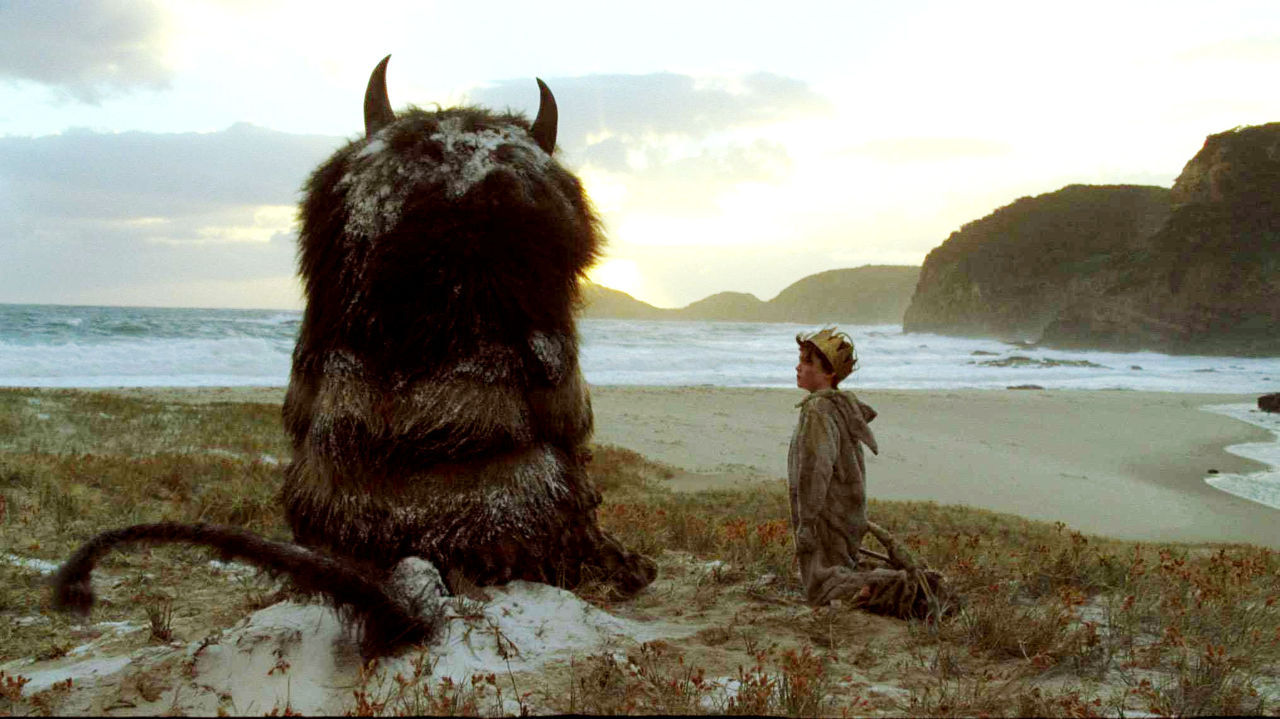
 Where the Wild Things Are. I did not enjoy this movie very much. It was kind of tedious, no tremendous highs or lows. The best parts for me were in the few minutes of real-life bookends. I did love the book when I was younger, but don’t have much memory of it now.
October 19, 2009
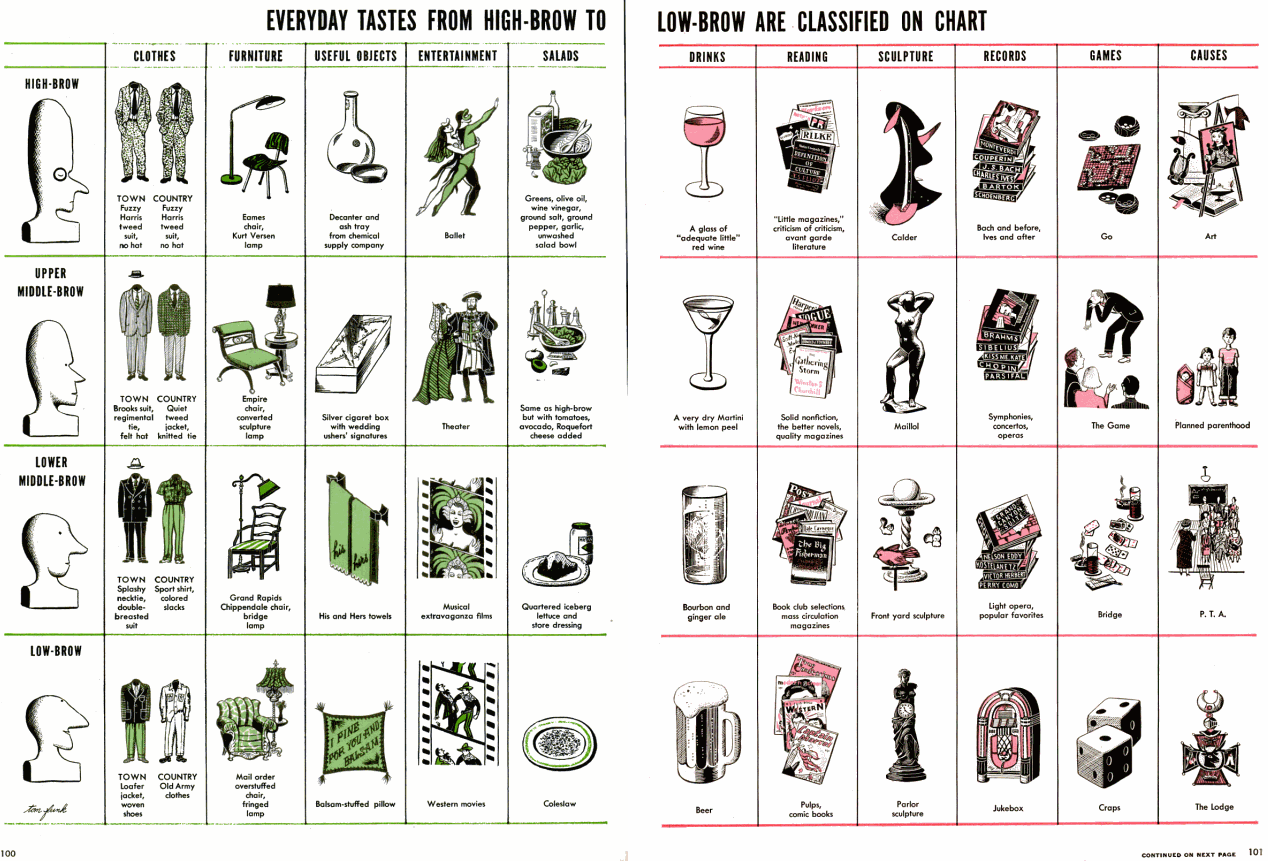
Everyday Tastes from High-brow to Low-brow. Life Magazine, 1949.
October 19, 2009
October 19, 2009
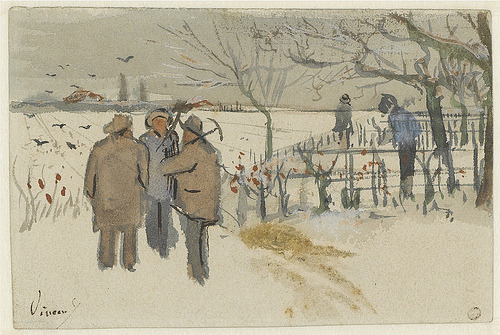
The Van Gogh Letter Sketches. Another great collection from BiblioOdyssey.
October 15, 2009
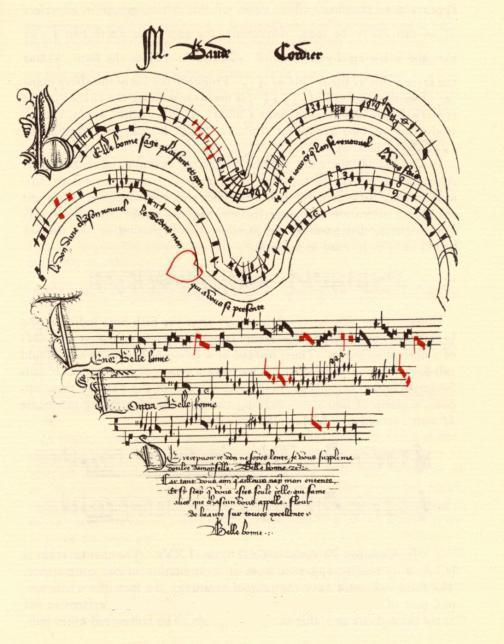
Score for “Belle, Bonne, Sage” (lyrics), a song with eye music by Baude Cordier included in the Chantilly Codex. Part of the ars subtilior music tradition of the early Renaissance.
Unquiet Thoughts
Alex Ross’ new music blog on the New Yorker website. Nice counterweight to the blog of Sasha Frere-Jones .
One Day in the Life of Ivan Denisovich (review: 5/5)

This Sotsgorodok was a bare field knee-deep in snow, and for a start you'd be digging holes, knocking in fence posts, and stringing barbed wire around them to stop yourself from running away. After that---get building.
I knew I would love this book when I came across those lines, about five pages in. Aleksandr Solzhenitsyn writes about a labor-camp worker/political prisoner named Shukhov. It's only one full day, from just before sunrise until lights-out. I love the restraint to focus on one day, one character, one setting. That aside, I think my favorite part of the book was a sort of underlying optimism. There's plenty of bold, revolutionary exposé-type stuff about injustice, deprivation, dehumanizing treatment, etc. (It's probably because I grew up after this devastating period that I can write it off with an "etc"...) But more interesting to me were the little glimmers of endurance and good humor in truly awful conditions.
"Call the gang."
Gopchik ran off.
The great news was that the gruel was good today, the very best, oatmeal gruel. You don't often get that. It's usually magara or grits twice a day. The mushy stuff around the grains of oatmeal is filling, it's precious.
Shukhov had fed any amount of oats to horses as a youngster and never thought that one day he'd be breaking his heart for a handful of the stuff.
"Bowls! Bowls!" came a shout from the serving hatch.
Another favorite bit is a sort of emotional shift that I found pretty remarkable. The oppression became sort of a background feature for me. With all that given, conscious sympathy sort of fades until you get about 90% finished...
Fetyukov passed down the hut, sobbing. He was bent double. His lips were smeared with blood. He must have been beaten up again for licking out bowls. He walked past the whole team without looking at anybody, not trying to hide his tears, climbed onto his bunk, and buried his face in his mattress.
You felt sorry for him, really. He wouldn't see his time out. He didn't know how to look after himself.
Very much a Literary Wow Moment for me. Our hero still manages feelings of pity for his fellow slave-laborer, while the reader has gotten kind of worn out. Just when you've gotten numb from reading about a full day of hardship, you feel the pang again because this one guy probably won't make it. One last cool thing, also evident in the paragraph above, is that the third-person omniscient narration is peppered with asides and reactions from Shukhov himself:
The bosses were afraid the zeks would scatter and waste time in warming sheds. A zek's day is a long one, though, and he can find time for everything. Every man entering the compound stooped to pick up a wood chip or two. Do nicely for our stove. Then quick as a flash into their shelters.
It's a fairly short read. Totally worth it.
October 14, 2009
A visual interpretation of Erik Satie’s famous piano suite… The movement of each column maps the physical activity of each the pianist’s fingers respectively. The pitch of each key struck is represented by an assigned colour.
(Source: http://www.youtube.com/)
October 13, 2009

The Good, the Bad, and the Ugly
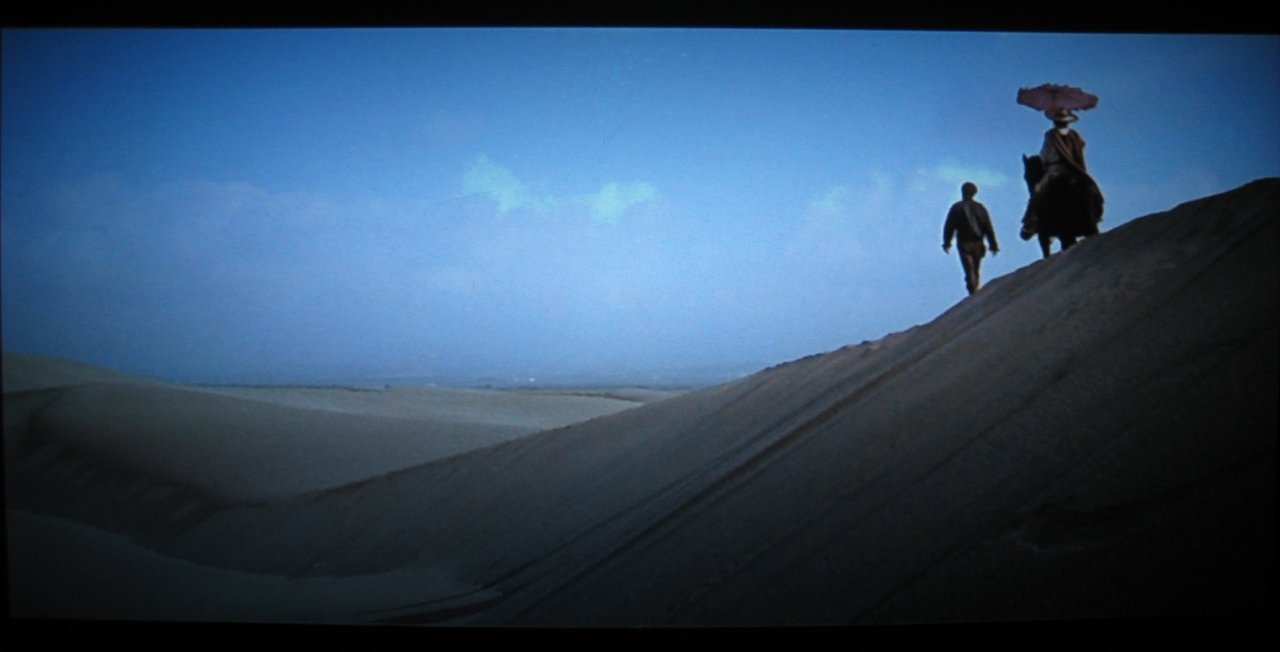 The Good, the Bad and the Ugly. I’d seen about 90% of this one, but never before in one uninterrupted stretch. Every bit as good as they say.
Storytime: Children tell their own tales
“Want to hear a really good story? Turn off your TV and turn toward the nearest 4-year-old.”
October 12, 2009
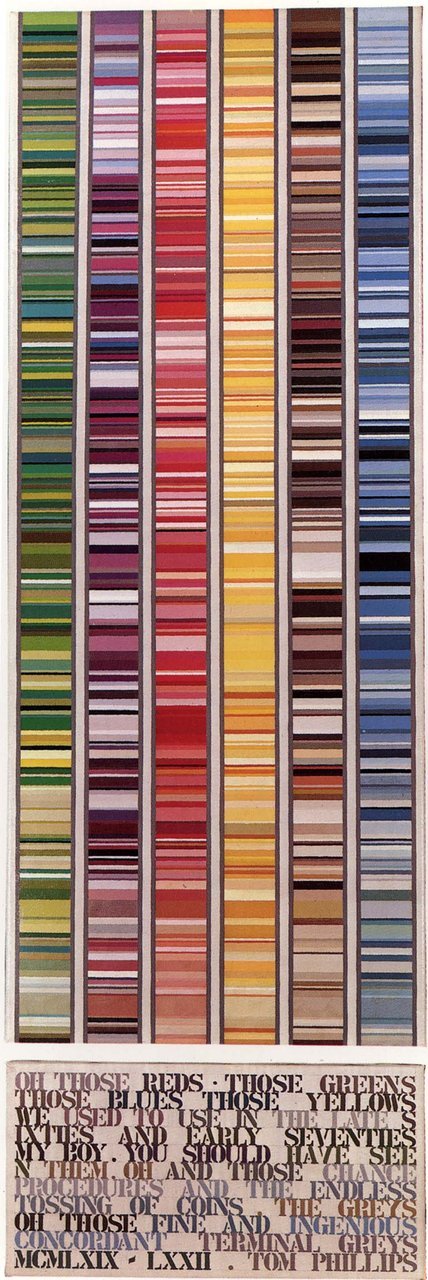
Tom Phillips: Paintings and Drawings: Oh Those Reds. Acrylic on canvas, 122 x 25.5 cm, 1969-72.
October 12, 2009
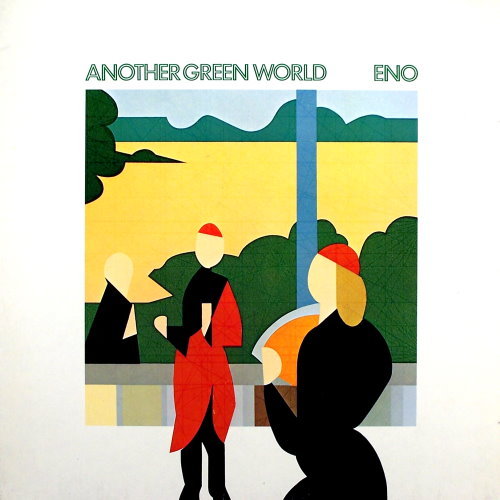
The Album Covers of Brian Eno.
The album’s pastoral cover art is a detail from After Raphael, a painting by Tom Phillips, Eno’s mentor during his days at Ipswich Art College. (Some believe that the boy in the foreground, with the blond hair and the red beanie, is meant to be Eno.) The back cover depicts the decidedly un-rocking image of Eno sitting up in bed, reading a book – underlining the album’s general vibe of stillness, solitude, and quiet reflection.
October 11, 2009
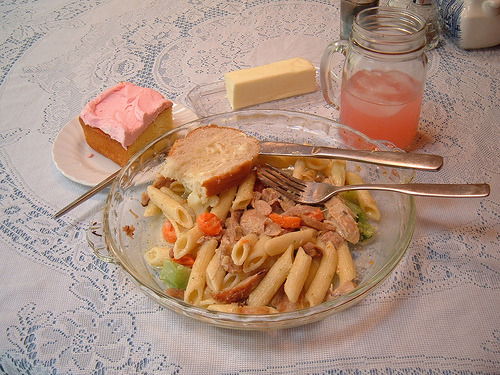
Lunch at the Dutch Haus in Montebello, Virginia. May 14, 2007. One of my favorite meals of all time.
To the Audience
Often insomnia would strike in, and I would ask aloud, to the darkness of the room, “will anyone appreciate this”? (My girlfriend had by that time developed the habit of using earplugs). And then in a spectacle of light rays and stars, the Fairy of Reason would appear to me and speak tenderly: “good hearted child, if you love it, some people, who have things in common with you, will too”. And then, on my knees, holding my hands together, tears shaking on the corners of my begging eyes, I would ask, “what if I’m just a freak and no one is like me?”
via snarkmarket
October 9, 2009
October 7, 2009
MAD MEN - “Have you ever been hunting?” I’m a latecomer to the best television show I’ve ever seen, only about 75% through with the first season. This is the best scene so far.
(Source: https://www.youtube.com/)
October 6, 2009
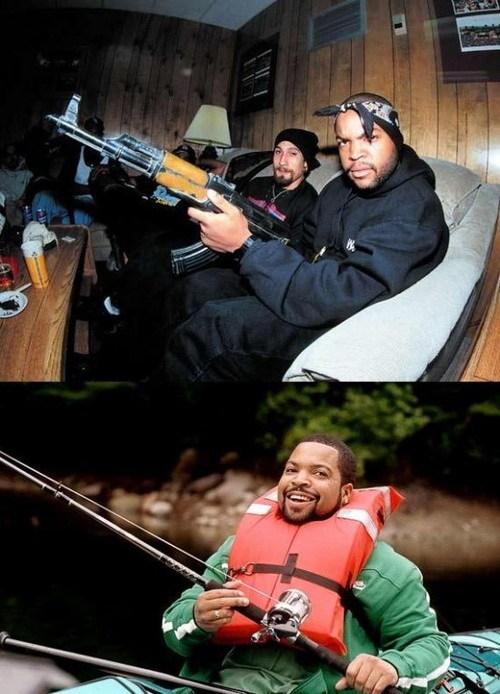
Ice Cube - then and now. “Today I didn’t even have to use my A.K. / I got to say it was a good day.”
October 6, 2009
Writing as real-time performance « Snarkmarket
This is very interesting.
Think instead of a short story written with playback in mind. Written for playback. Typing speed and rhythm are part of the experience. Dramatic deletions are part of the story. The text at 2:20 tells you something about the text at 11:13, and vice versa. What appear at first to be tiny, tentative revisions turn out to be precisely-engineered signals. At 5:15 and paragraph five, the author switches a character’s gender, triggering a chain reaction of edits in the preceding grafs, some of which have interesting (and pre-planned?) side effects.