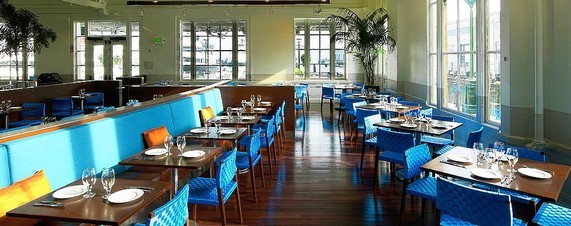
Why New Restaurants Are So Noisy. Hardwood floors, plain walls, exposed ceilings, no tablecloths.
Why New Restaurants Are So Noisy. Hardwood floors, plain walls, exposed ceilings, no tablecloths.
Fact is, we just don’t want to work that hard! We already work harder than we feel like working. We enjoy having time to lay around in the living room with the kids, reading. We like to watch a little TV after the kids are in bed. We like going to the park and visits with friends and low-key vacations and generally relaxing. Going further down our respective career paths would likely mean more work, greater responsibilities, higher stress, and less time to lay around the living room with the kids.
There’s something important here. I’m not good at keeping to them all the time, but I think I have similar ideals.
The medium chill involves what economists call satisficing: abandoning the quest for the ideal in favor of the good-enough. It means stepping off the aspirational treadmill, foregoing some material opportunities and accepting some material constraints in exchange for more time to spend on relationships and experiences.
It turns out, though, that satisficing doesn’t come easy to us human beings. We have an extremely hard time saying, “okay, this is good enough.” Why?
With so many other ways to get information — if you want to know about Albania, for example, you can now much more easily ask the Albanians — the point of travel writing has fallen out. There’s an increased pressure on travel writers to create a personal arc of, yes, transformation.
See also 4 reasons travel is a waste of time. (via)
The Smart Set: On the Road Again - July 29, 2011
‘What am I doing here anyway?’ — the fundamental mantra if not prayer of every traveler. For it is precisely on a trip, in the morning, in a strange city, before the second cup of coffee has begun to work, that you experience most palpably the oddness of your banal existence. Travel is no more than a relatively healthy form of narcotic, after all.
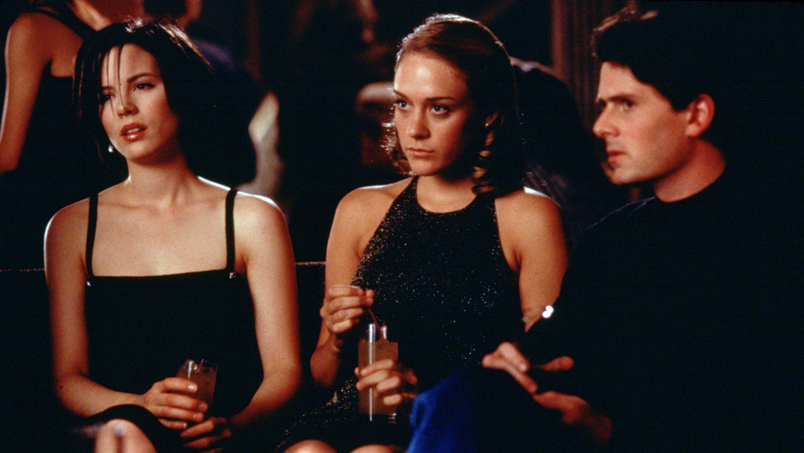 The Last Days of Disco. I loved Whit Stillman’s Metropolitan. (At this point I might as well complete the semi-trilogy with Barcelona). This one isn’t quite as fun or funny as Metropolitan, but it still has that same well-paced, compulsively watchable slice-of-life-ness to it. Some of the old characters reappear, slightly older, but still as earnest and floundering and full of shit. Sevigny’s character Alice is the most grounded of the lot. Worthwhile. And it’s got an UNDENIABLE SOUNDTRACK. Criterion essay. Ebert says:
The underlying tone of the film is sweet, fond and a little sad: These characters believe the disco period was the most wonderful period of their lives, and we realize that it wasn’t disco that was so special, but youth.
Whenever I’m asked why Southern writers particularly have a penchant for writing about freaks, I say it is because we are still able to recognize one.

Flannery O’Connor, Southern writer (of the novel Wise Blood and short stories) - died this day in 1964, aged 39, from lupus…
Photo of Flannery in front of her self-portrait w. peacock…
This photo was taken by AJC photojournalist Joe McTyre, by the way. Love me some Flannery.
The difference is between sitting around listening to music and partying to music. You can’t just be walking back and forth on stage, otherwise it could just be a seminar.
Lil Scrappy on crunk, quoted in Dirty South. You could say that the music happens between fans and stars rather than between listeners and musicians. And like Little Steven says, performance relies on a working-class energy. And then there’s Elijah Wald’s observation that critics tend to be people that collect and discuss music, rather than dance to it.
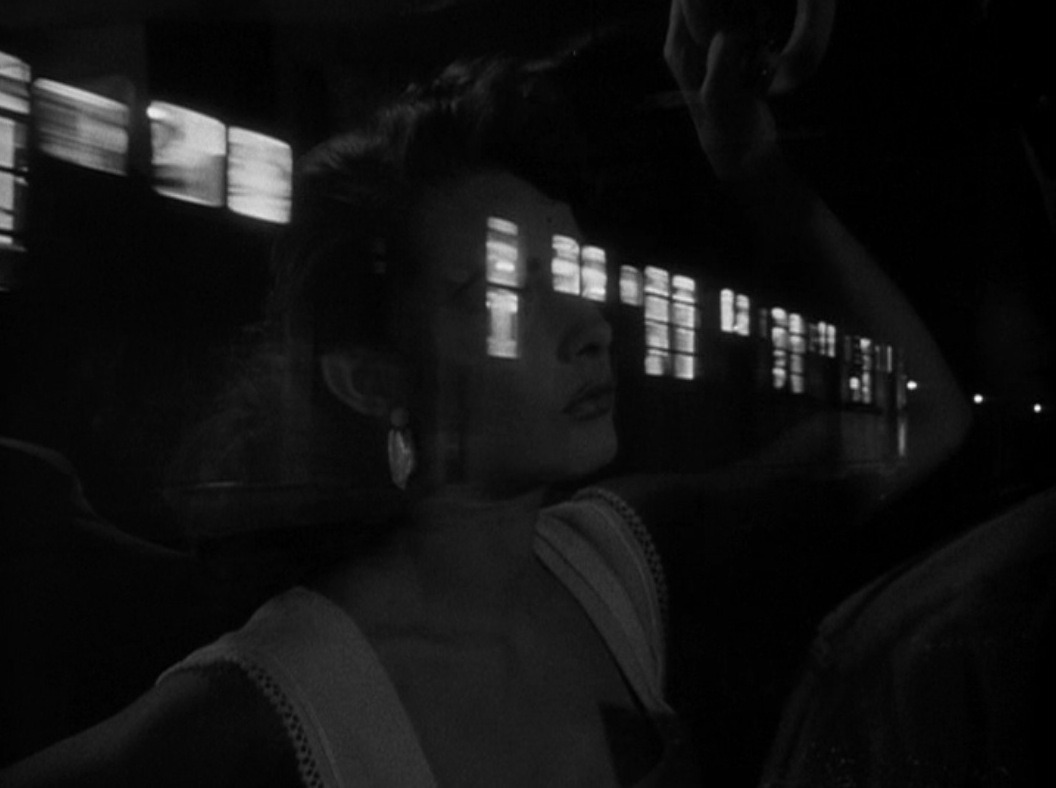
A still from Samuel Fuller’s Pickup on South Street. Part of a really awesome collection of stills in this series about trains in film. Linking to part 8 because it links to all the posts in the series at the bottom of the page.
What punk was to rock, crunk is to rap.
Andre 3000, quoted in Dirty South. Apparently he said this on an MTV2 Slanguistics segment.
Reflections on Atlanta from a Yankee who now calls it home. (via)
Atlanta is a profoundly pleasant city. That is not as easy as it seems. New York is thrilling, Hong Kong a marvel of density, Moscow the closest a city can get to a cocaine level of jitteriness and excitement, London endless: I love all four places, but I would never describe them as pleasant. They are none of them as comfortable and human-scaled as Atlanta. Social life just sort of happens here. In New York and London my calendar filled up weeks in advance; here it is not unusual to look forward to a relaxing, empty weekend on Thursday and then find that Saturday and Sunday are frantic.
The weekend thing is soooooo true. Also, while it’s in the South, it’s not always of the South:
Atlanta has always been about trade, business, enterprise—the hustle. And if that fact robs it of the stately southern charm of Savannah or Charleston, it also did much to protect it from the worst excesses of reaction during the turbulent mid-60s, and made it a bastion of openness and tolerance in the South (not to mention a springtime blessing for those of us allergic to both Spanish moss and antebellum nostalgia).
There are, for example, only two reasons for children to go to school – apart, that is, from acquiring the werewithal to earn a living: to make friends, and to see if they can find something of absorbing interest to themselves.
Adam Phillips. I’ve quoted this before, but it’s worth a repeat. More wisdom in the Adam Phillips tag. My favorite bits from his book On Kindness.
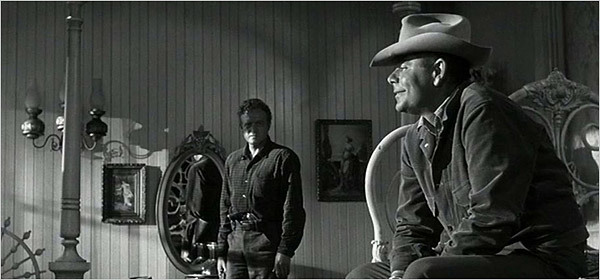 3:10 to Yuma (1957). This is another western with a somewhat reluctant hero on a deadline, like the excellent High Noon. This one, in Glenn Ford’s character, also has an early appearance of the now-archetypal chatty, charismatic villain. Lovely camerawork and a good soundtrack, too.
I come from a classical background. I came up singing Italian sonnets, Negro spirituals, and shit of that nature.
Pimp C, quoted in Dirty South.
Perhaps you should consider consuming less, but consuming something special. Prioritizing something that pays a person who is creating a product that approaches art, rather than approaching widget.
You know how they make us look on TV? Like we live on the front porch with flies and shit flying around us, with our stomachs all big eating watermelon rinds? That ain’t us, man. We’re smart, man. Our life is slowed down so we don’t miss nothing. When shit gets moving too fast you miss everything.
Scarface, quoted in Dirty South.
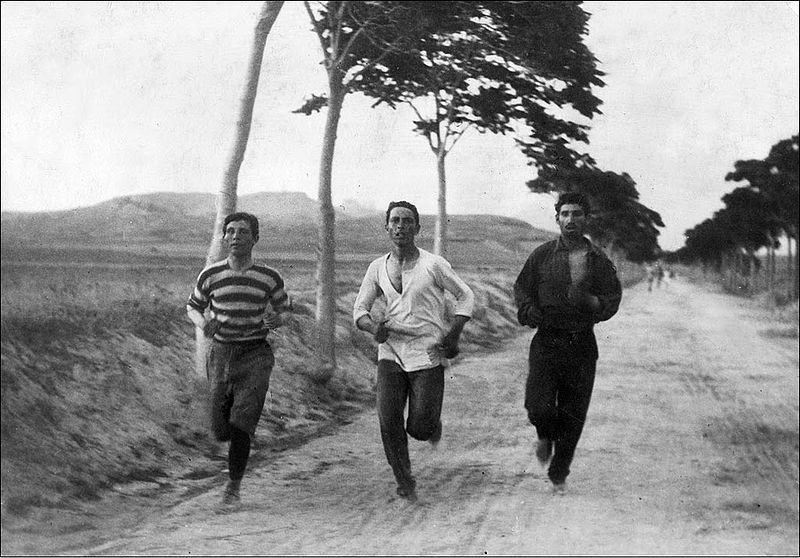
Three guys running the marathon at the 1896 Olympics. Primitive running gear aside, this is a lovely photo. (via)
I don’t want to say it was cool, [but] the girls was cool in school.
Big Boi, quoted in Dirty South.
The art market is not a free market. It’s rigged; hugely distorted by the presence of public subsidy – the grants and funding available to organisations and individuals deemed to be producing “significant” work. To get access to this, it’s even more important that artists create the right theoretical discourse to surround their work.
Also known as bullshit. A handy guide for writing your own art bollocks:
A useful catch-all formula can be applied to all of this work, which I freely offer here, without charge:
“X’s work
{wryly/mockingly/cunningly/innocently/intelligently}
{deconstructs/subverts/disrupts/parodies/appropriates/undermines}
{popular notions/stereotypes/archetypes/conventions/the mythology/strategies}
of {gender/representation/style/sexuality/commodification/identity}
by …” followed by a nod at whatever images or objects are assembled.
Colin Marshall on Creative Community from Colin Marshall on Vimeo.
Colin Marshall on Creative Community. In which I continue to admire Colin’s thoughtfulness and wonder when his film based on an awesome Borges story is gonna drop.
(Source: http://player.vimeo.com/)