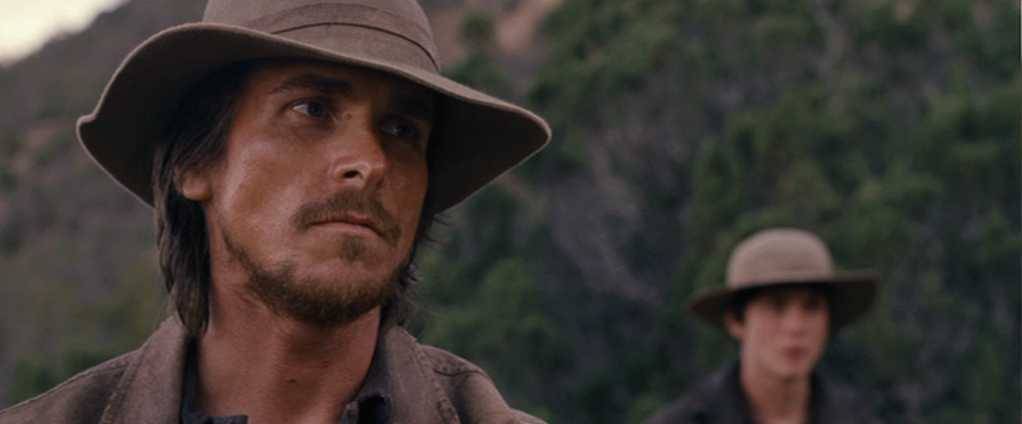
 3:10 to Yuma (2007). Well, Russell Crowe is no Glenn Ford, but who is. Loved the original movie, which fleshes out the very short story really well. This movie adds in a bit too much extra material for me, which dissipates the tension. Good, though. Themes of pride, circumstance, honor. Love this line on insurance/forced retirement, basically: “They weren’t paying me to walk away; they were paying me so they could walk away.” Filed under: westerns.
Out of Sight
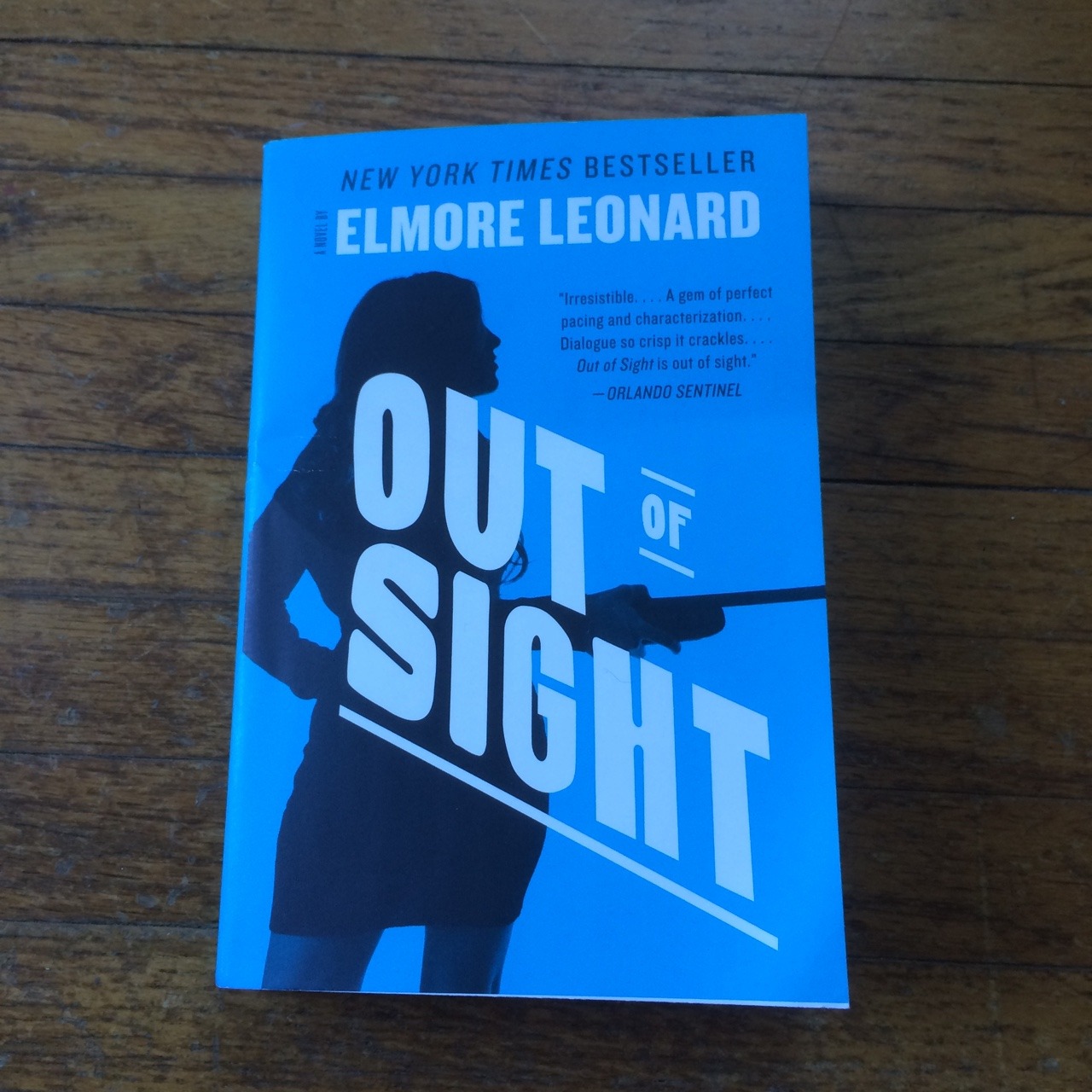 I read Elmore Leonard’s Out of Sight and it was just what I needed. Fun crime/love caper with great dialogue, always moving to the next thing. Makes me want to watch the movie again.
The Salvation
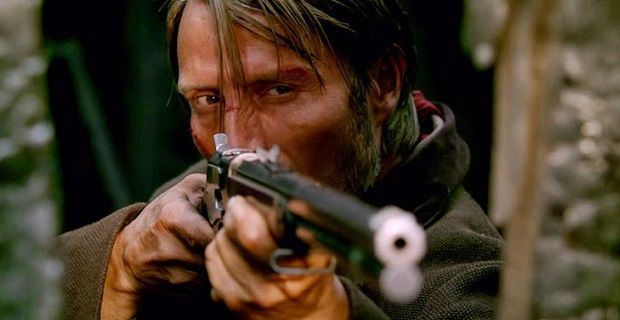 The Salvation. I feel like Mads Mikkelsen’s face was just begging to be put in a Western. This one sometimes feels like it was assembled from a western-movie kit, but has some really good moments – I particularly like the conversation with the priest in the jail, the parallel funerals, and a silent escape on a train.
The Hunt
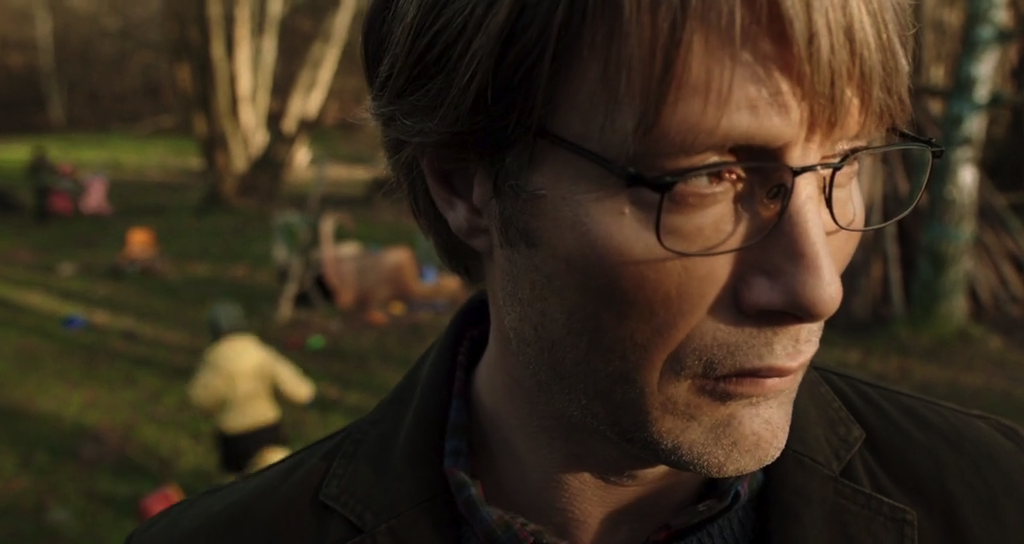
Friendship is not a pale imitation of sexual romance
Friendship is not a pale imitation of sexual romance. It is a romance unto itself.
Leah Reich, via Matt Thomas’ essay on Paul Walker and male friendships.
The Aviator
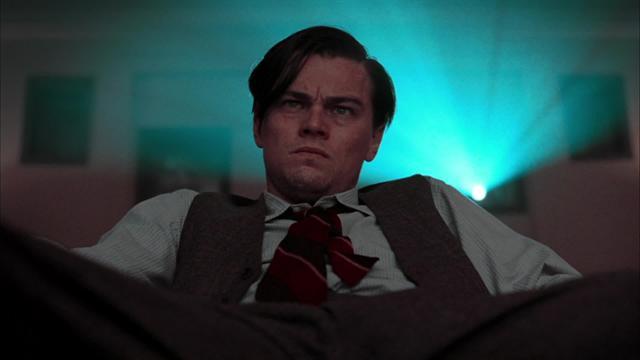 The Aviator. I often struggle with biopics, but I liked this one a lot. I like how the film stock and coloring shifts with the passage of time, the recurring hands imagery, and the sympathy we feel as we see this man changing. “Nothing’s clean, Howard. But we do our best.”
Close at Hand
I loved this dive through the history of pockets and gadgets and little daily conveniences we keep with us.
Shutter Island
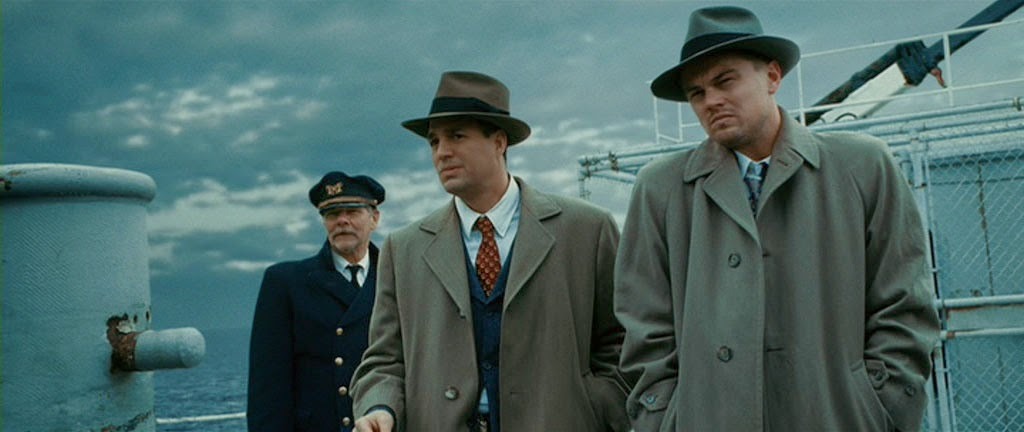 Shutter Island. Better than I thought it would be. Scorsese takes some simple genre stuff to some good creepy heights.
The first draft is always perfect
The first draft is always perfect. perfect. Its only job is to exist.
The Story of Your Life
In telling the story of how you became who you are, and of who you’re on your way to becoming, the story itself becomes a part of who you are.