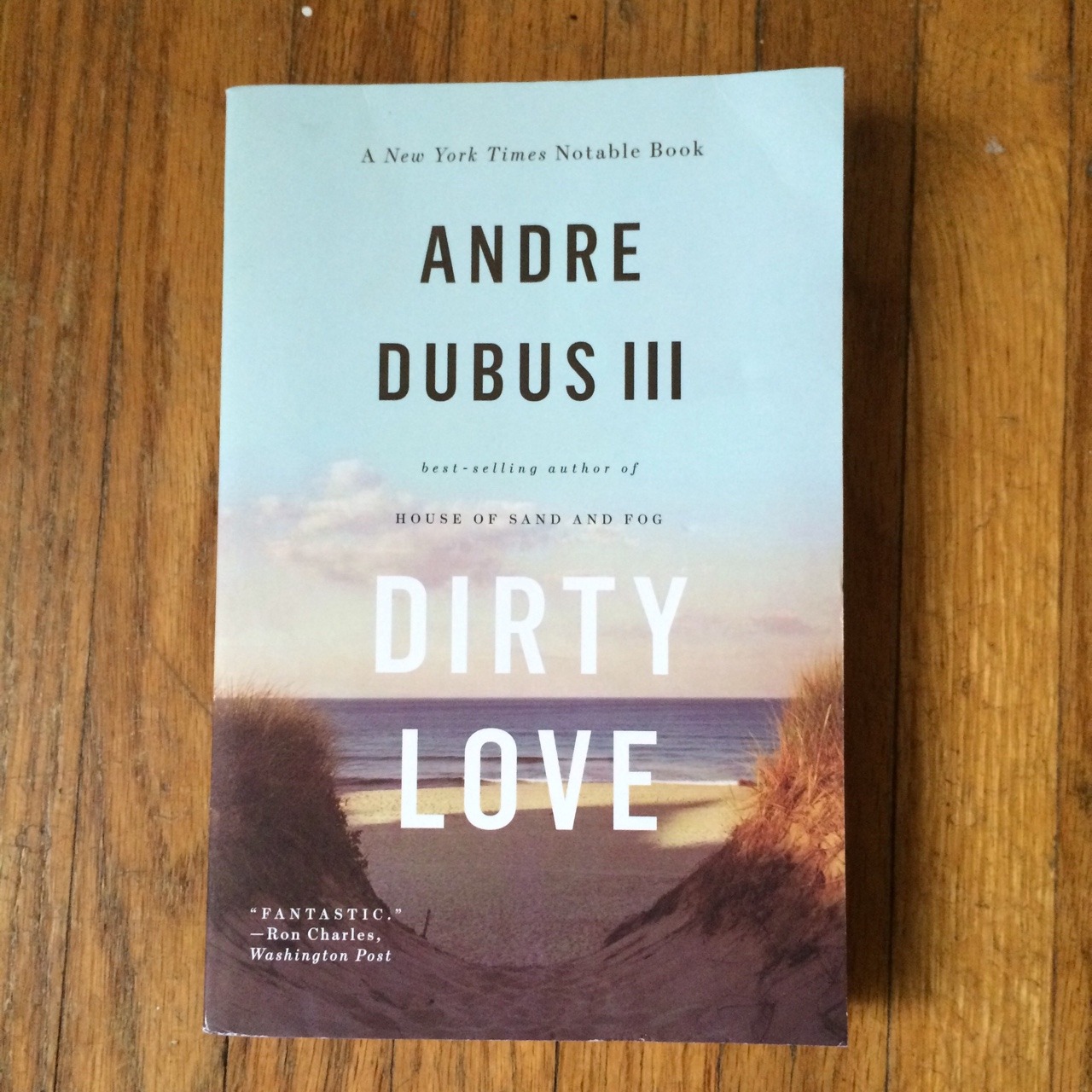
 I read Andre Dubus III’s book Dirty Love, but only up to page 100-something. DNF. Just not feelin’ the ennui/melancholy/disappointment thing right now.
Decoding a Menu at Root & Bone - NYTimes.com
In a study of more than a million Yelp restaurant reviews, Mr. Jurafsky and the Carnegie Mellon team found that four-star reviews tended to use a narrower range of vague positive words, while one-star reviews had a more varied vocabulary. One-star reviews also had higher incidence of past tense, pronouns (especially plural pronouns) and other subtle markers that linguists have previously found in chat room discussions about the death of Princess Diana and blog posts written in the months after the Sept. 11 attacks.
In short, Mr. Jurafsky said, authors of one-star reviews unconsciously use language much as people do in the wake of collective trauma. “They use the word ‘we’ much more than ‘I,’ as if taking solace in the fact that this bad thing happened, but it happened to us together,” he said.
Another finding: Reviews of expensive restaurants are more likely to use sexual metaphors, while the food at cheaper restaurants tends to be compared to drugs.
The Equalizer
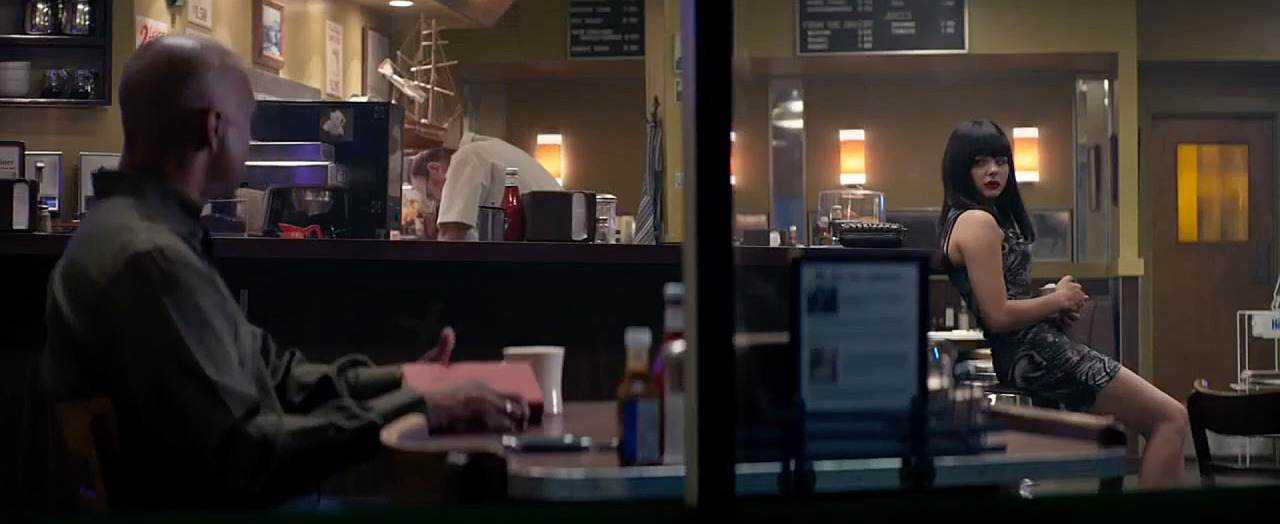 The Equalizer. Average, with a few bright points here and there. I love the diner scenes. They build Denzel’s character as the precise, exacting, confident type, but I like the hints of compulsive behavior beyond that. Not just the careful folding of the kitchen towel, or the tea ritual, or the perfectly crisp button-ups, tucked in. There’s the opening and closing the door, flicking the lights on and off, maybe even the car window opening and closing, rearranging the skulls. Nice little wrinkle. Visually its a mess. It reminded me of the colorfully shifty, dizzying jumps and zooms that Tony Scott used in Man on Fire, except without the thoughtfulness and consistency with mood. Also weakly similar to that movie: there is an art to “walking away slowly from an explosion” scenes, and you have to earn it. You can’t just shove one in the middle of the movie. I enjoyed the fight scenes. But have to mention something that drove me crazy: the Sherlock Holmes-ian superpower thing in the office brawl. I’m talking about the thing where time is paused or slowed for a moment, where we get to see how the hero analyzes and calculates all the situational details before getting in a rumble – who is where, what weapons they have, the layout of the room. I don’t mind this sort of movie cliché, or this way of making the hero look awesome. That’s fine. What made it frustrating was that the movie had already shown us those details. I assume it was done to heighten the tension beforehand. But it’s draining to show a guy sitting ready with a knife, and then show us Denzel noticing the guy has a knife. I love that stopwatch, though. All that said: whatever Denzel has, I want it. He’s got charm coming out the ears. And Marton Csokas is awesome.
The Internet Has a Problem(atic) - The Awl
Not only did “problematic” become popular because it suits identity politics and sounds smart, it’s also highly shareable. “Problematic” bundles urgency, seriousness, and debatability into a single vague word, which is great for both sound bytes and tweets.
Missing Out: In Praise of the Unlived Life
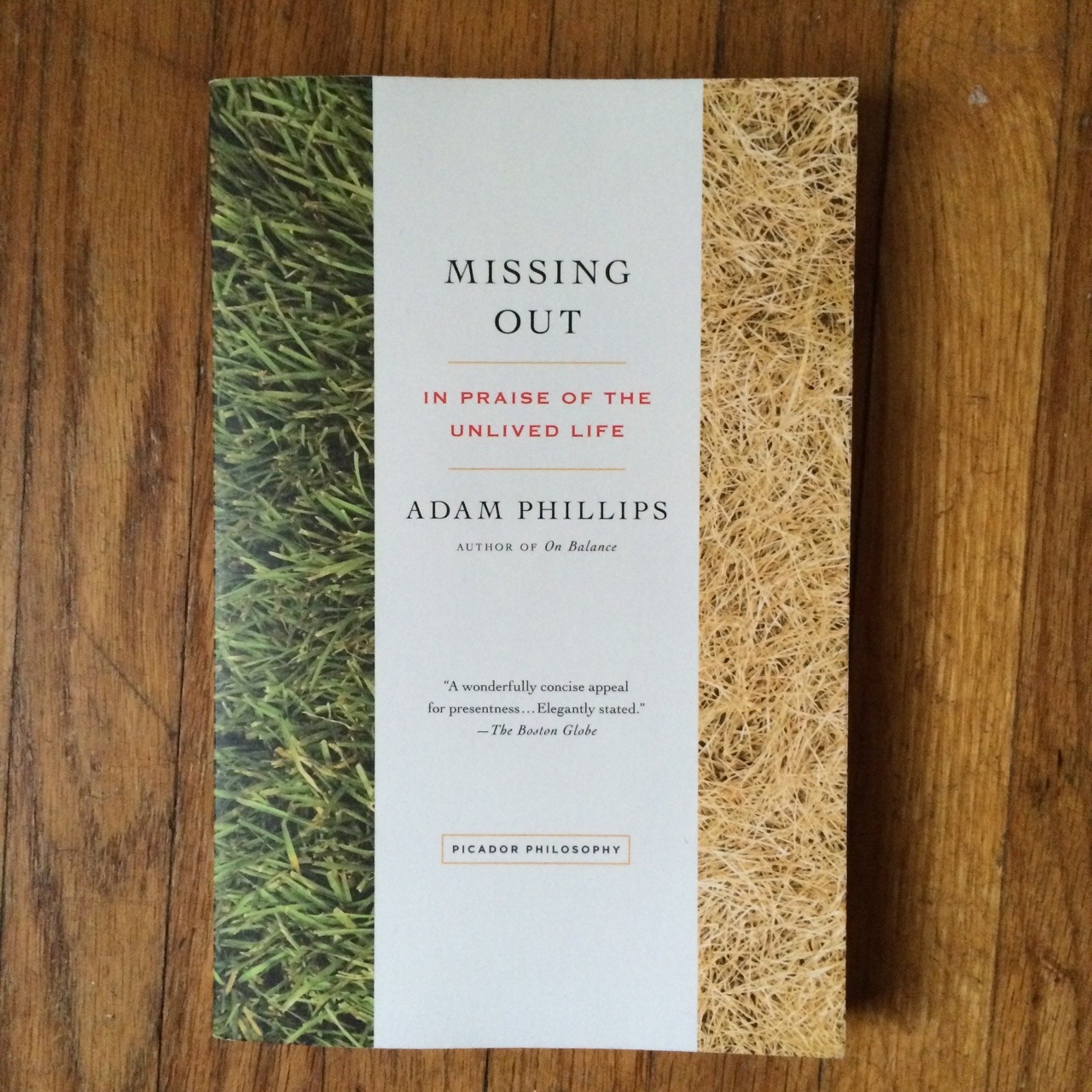 I read Adam Phillips’ book Missing Out: In Praise of the Unlived Life, and I wish I’d enjoyed it more. I probably would have, if only I were more familiar with Freud and Shakespeare (King Lear and Othello are frequently discussed). I’ve read a couple of his others that I really liked (Going Sane and On Kindness). This one a lot of “What does it mean when we say ____?” kind of stuff, and a good bit of historical/etymological looks at how our our language has developed ideas like “getting away with it” or “getting out of it”. The best recurring theme for me was the idea of omniscience, and how it relates to frustration (assuming we know what we need; reluctance to seek advice or try new things), escapism/prediction (assuming we know what we’re avoiding, or that we are in fact avoiding it), tyranny (false confidence about someone else’s needs), avoidance (“we mustn’t let knowing do the work of acknowledging”), etc. It seemed a bit more impersonal and less psychological than what I remember of the other two. Still, some good stuff here and there, and Phillips has a knack for aphorism.
For Arianna Huffington and Kobe Bryant: First, Success. Then Sleep. - NYTimes.com
Kobe Bryant: Exactly. I’ll give you an example. When you watch me shoot my fadeaway jumper, you’ll notice my leg is always extended. I had problems making that shot in the past. It’s tough. So one day I’m watching the Discovery Channel and see a cheetah hunting. When the cheetah runs, its tail always gives it balance, even if it’s cutting a sharp angle. And that’s when I was like: My leg could be the tail, right?
Arianna Huffington: That’s amazing.
KB: Inspiration surrounds us.
Maybe it was a cheetah named Dirk Nowitzki. Also really interesting in this interview: both of them weaning themselves from the “I only need hours of sleep” lie. They both wised up and made changes to sleep more.
For Arianna Huffington and Kobe Bryant: First, Success. Then Sleep. - NYTimes.com
David Hockney, ‘The Desk’

Living the GoPro Life
When the agony of missing the shot trumps the joy of the experience worth shooting, the adventure athlete (climber, surfer, extreme skier) reveals himself to be something else: a filmmaker, a brand, a vessel for the creation of content.
15 Questions for San Antonio’s Matt Bonner
Here is a very rudimentary formula I came up with for rating a sandwich:
Score on a scale of 1-100:
A = bread
B = meat
C = fixings
D = sauces
.4(A) + .3(B) + .2© + .1(D) = overall score on a 0-100 scaleEach ingredient is weighted based on its level of importance to a good sandwich. Please note that the coefficients can certainly change when dealing with specialty sandwiches (for example, a steak and cheese would have a higher value placed on meat).
Boring Lives, Boring Television
So far this year, I’ve watched “The Knick,” “Mad Men,” “Game of Thrones,” “Outlander,” “Boardwalk Empire” and “Downton Abbey.” Oh, I complain about the various anachronisms – the clothes are too clean, the lives of the servants are far too easy and don’t even get me started on, um, almost everything in “The Knick.” But these are forgivable errors, occasionally almost lovable.
The thing I find harder to forgive is the shows’ inability to commit to that drama – to try to actually engage with what was actually dramatic and interesting in those eras. They can’t resist moralizing from the point of view of a 21st-century modern – and so they sap the conflicts they’re portraying of their meaning.