The best way to communicate your needs clearly is to trust them, vs. spinning them in the most favorable way or second-guessing your own normalcy.
The Place Beyond the Pines
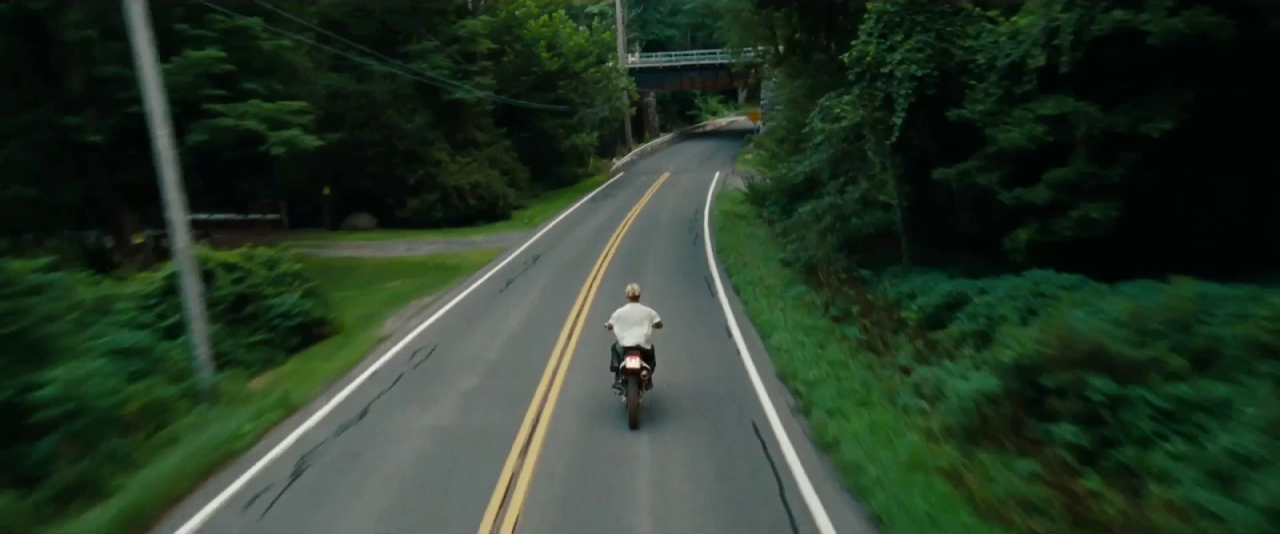 The Place Beyond the Pines. This was my second viewing (cf. the first), and I really really liked it. The whole thing hung together for me better this time. One thing I noticed the second time around that I appreciated: the movie opens with the sound of Gosling’s breathing prominent; the second main chapter opens with Cooper’s. I would watch a feature film made entirely of those tracking road shots.
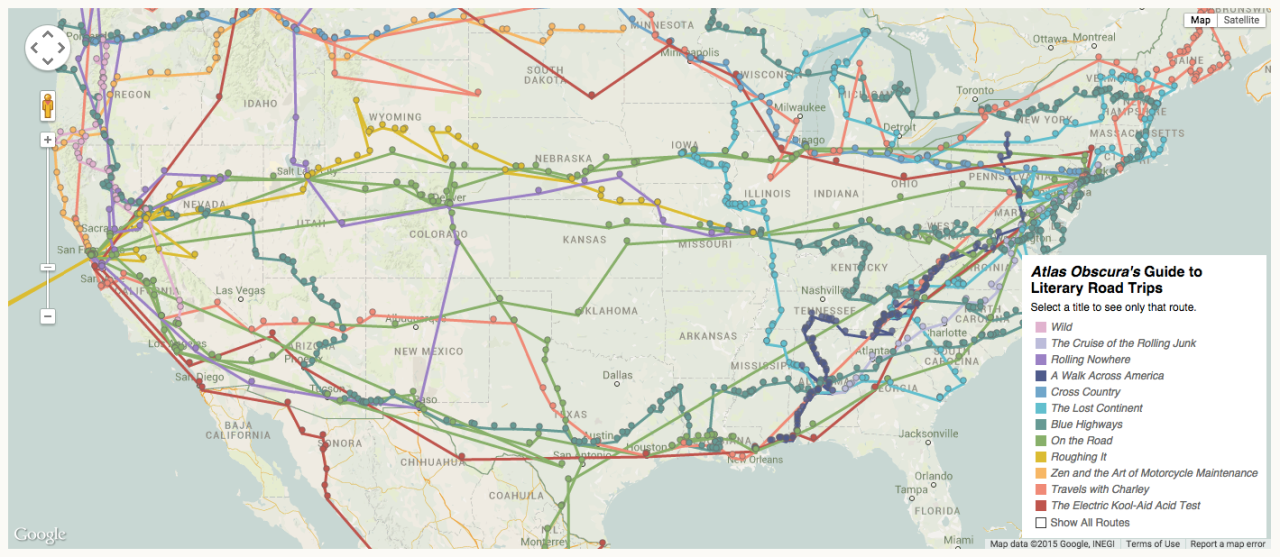
The map of American literature’s most epic road trips
Lil B sums up summer in Atlanta
Blackhat
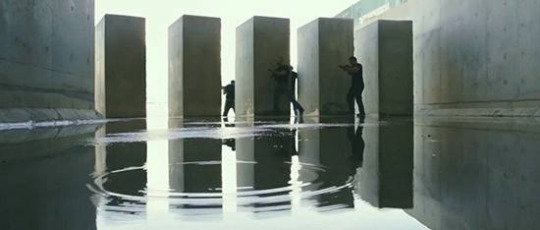 Blackhat. Some really cool moments and scenes, but a bit underwhelmed the second time around. (The first.) Updated Michael Mann rankings:
Selfish
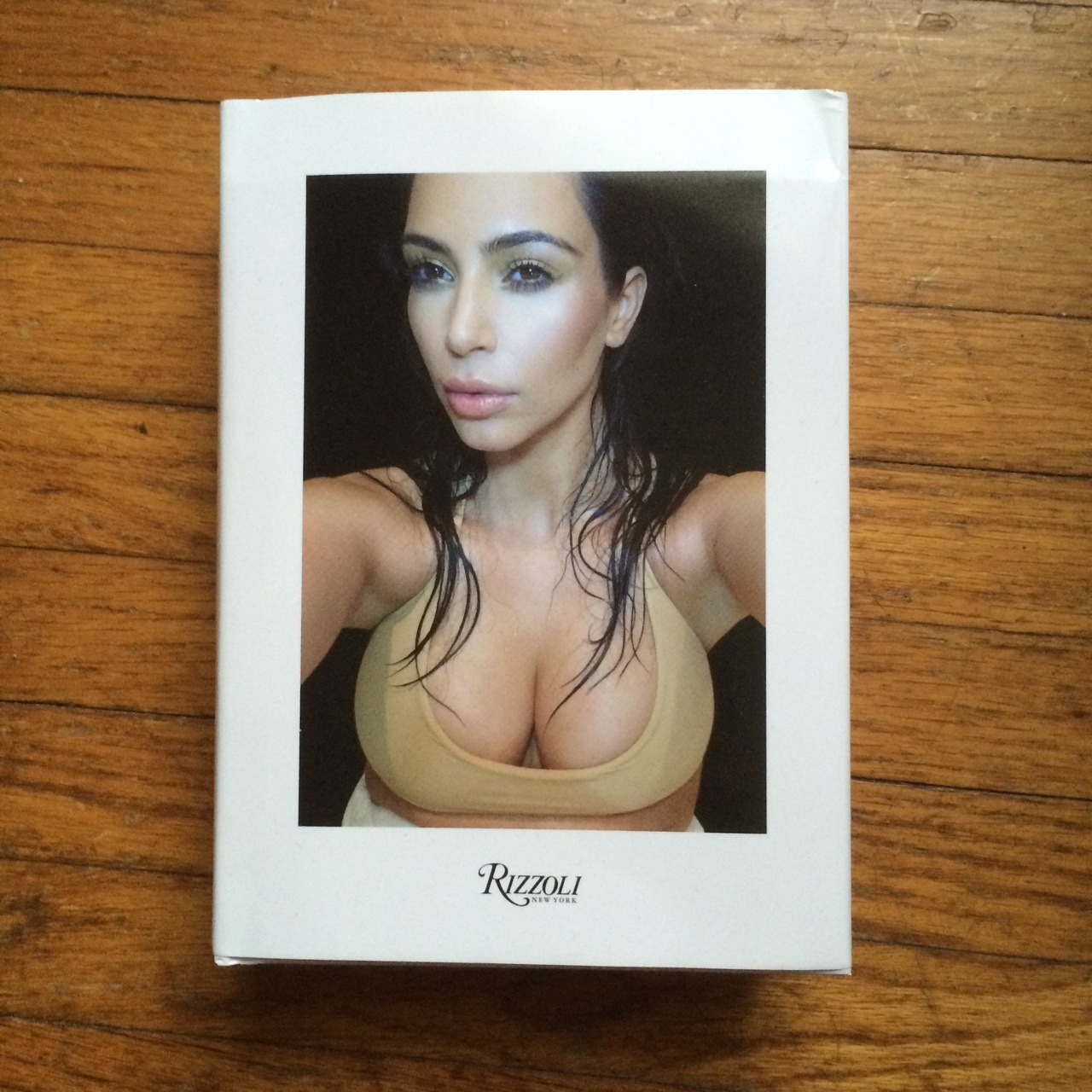 I read Kim Kardashian West’s book Selfish, and can’t help but like her more. (I’ve never watched the TV shows, and only know the bare sketches of her bio and place in culture at the moment.) I think any book of portraits of just one subject would have a similar effect. Just another human gettin’ by.
Digging up the source of a fireside chat clip
Haven’t seen the whole fireside chat, but had to dig up the source when came across this great Jeff Bezos wisdom around 4.5 minutes in, on anticipating future business needs:
I very frequently get the question, “What’s going to change in the next ten years?” And that is a very interesting question. It’s a very common one. I almost never get the question, “What’s not going to change in the next ten years?” And I submit to you that that second question is actually the more important of the two. Because you can build a business strategy around the things that are stable in time. In our retail business, we know that customers want low prices. And I know that’s going to be true ten years from now. They want fast delivery. They want vast selection. It’s impossible to imagine a future ten years from now where a customer comes up and says, “Jeff, I love Amazon. I just wish the prices were a little higher”. “I love Amazon. I just wish you’d deliver a little more slowly.” Impossible. And so the effort we put into those things, spinning those things up… we know the energy we put into it today will still be paying off dividends for our customers ten years from now. When you have something that you know is true, even over the long term, you can afford to put a lot of energy into it.
There’s a life metaphor in there somewhere.
(Source: https://www.youtube.com/)
Give me file hierarchies, or give me chaos.
When it’s time to get dressed in the morning, I don’t throw myself into a giant room full of clothes. I pull socks from my sock drawer and shirts from my shirt drawer. I’ve been doing this since I was five years old. It’s not a challenge.
Koji Kondo’s Super Mario Bros. Soundtrack
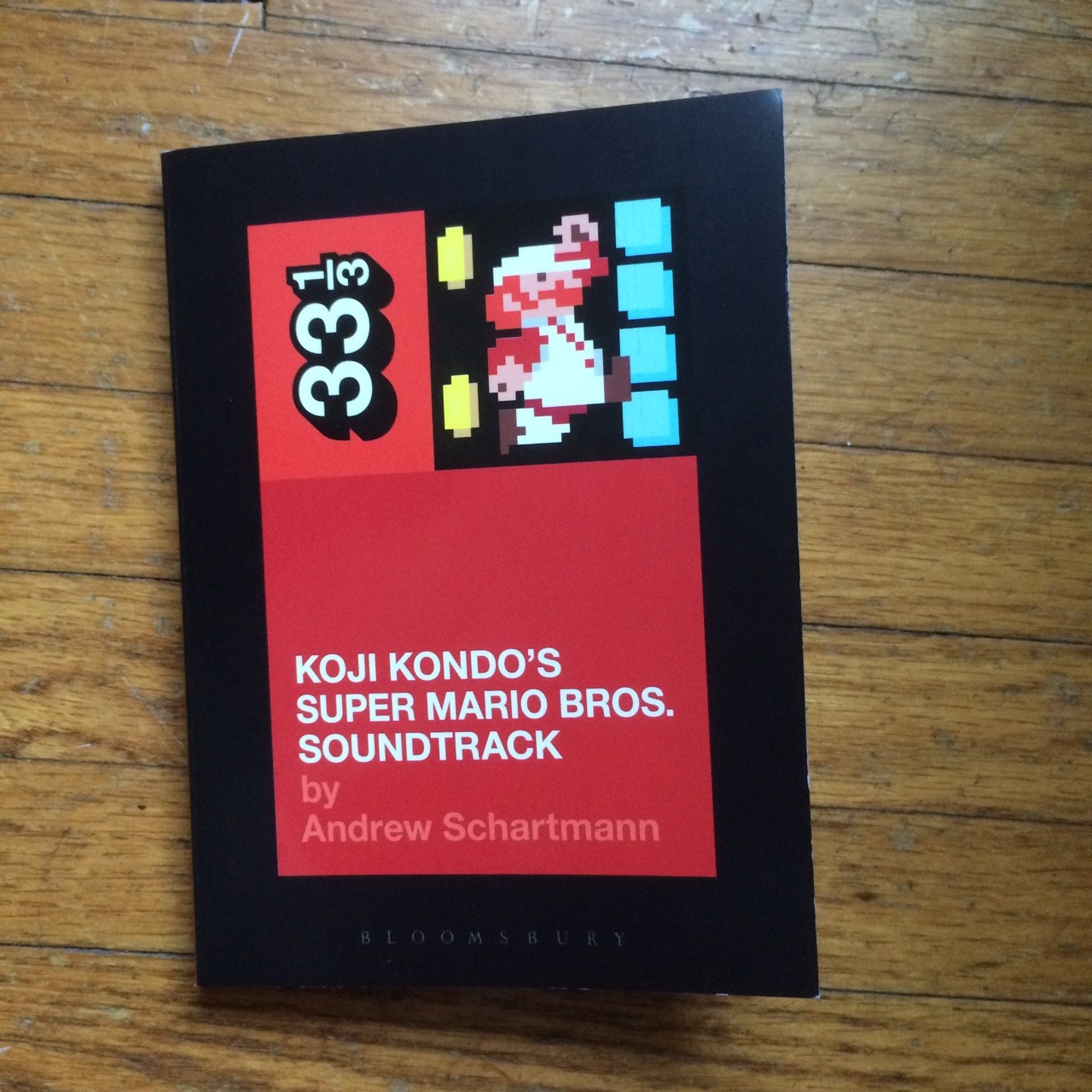 I read Koji Kondo’s Super Mario Bros. Soundtrack and had felt many feelings. Overall a bit dry and academic. If you were obsessed with games of the era (I’m guilty), you probably know too much industry history to find anything new here in the first half, and you’re already sold on the cultural import. The second half focuses more on the music itself, and digs into music theory a bit more… but if you know a good bit about music already, it also feels like… just not enough. It still made me very nostalgic, though, and for a while I convinced myself I need to buy a Wii U or something.