Hazmat team removes suspicious package | ajc.com. This looks like something from a music video.
Hazmat team removes suspicious package | ajc.com. This looks like something from a music video.
 If you like love and/or music, I think you will like Love Is a Mixtape: Life and Loss, One Song at a Time. Rob Sheffield wrote the book after the unexpected death of his wife of five years, Reneee. He didn't write it right away---the story came welling up again as he was moving to a new apartment, unpacking some old tapes of theirs. The book's 15 chapters each touch on a different mixtape and a different time. It explores the music and life and love they shared. It captures part of the Charlottesville music scene (they were both DJs) and the bigger stuff in the '90s: Nirvana, Pavement, R.E.M., etc.
I liked Sheffield's writing. The passage of time helps to bring out this sort of humorous self-awareness, like when he describes a moment shortly after they were married:
Now we were alone with each other.
Which meant we had all these neighbors to deal with. The old lady next door dropped by with a plate of muffins one Sunday afternoon, right in the middle of Studs. Renee explained that in the South, this is normal---you just drop in on your married neighbors. I was aghast. I was a husband in the South now. We had married into this alien landscape with its strange customs.
Or when he talks about his love as a supporting role, after a moment when he was driving and singing back-up on "Midnight Train to Georgia":
When we got to the final fade-out with Gladys on board the train and the Pips choo-chooing their goodbyes, Reneee cocked an eyebrow and said, 'You make a good Pip.' That's all I ever wanted to hear a girl tell me. That's all I ever dreamed of being. Some of us are born Gladys Knights, and some of us are born Pips. I marveled unto my Pip soul how lucky I was to choo-choo and woo-woo behind a real Gladys girl.
And everywhere it's saturated with pop-culture references, so the time comes alive. And that's what makes it (and other good memoirs?) special: that the story is so specific. It's not just a love story, but a story about what it's like to be a music-lover in love with a music-lover mostly in Charlottesville in the early and mid-'90s. And when you read his enthusiasm ("how lucky I was to choo-choo"), you can't help be a bit jealous/understanding of what he has, and you feel the loss more acutely than in a story that seems like it could be set anywhere (The Notebook, maybe, or how about Romeo and Juliet?). I think you should read it.
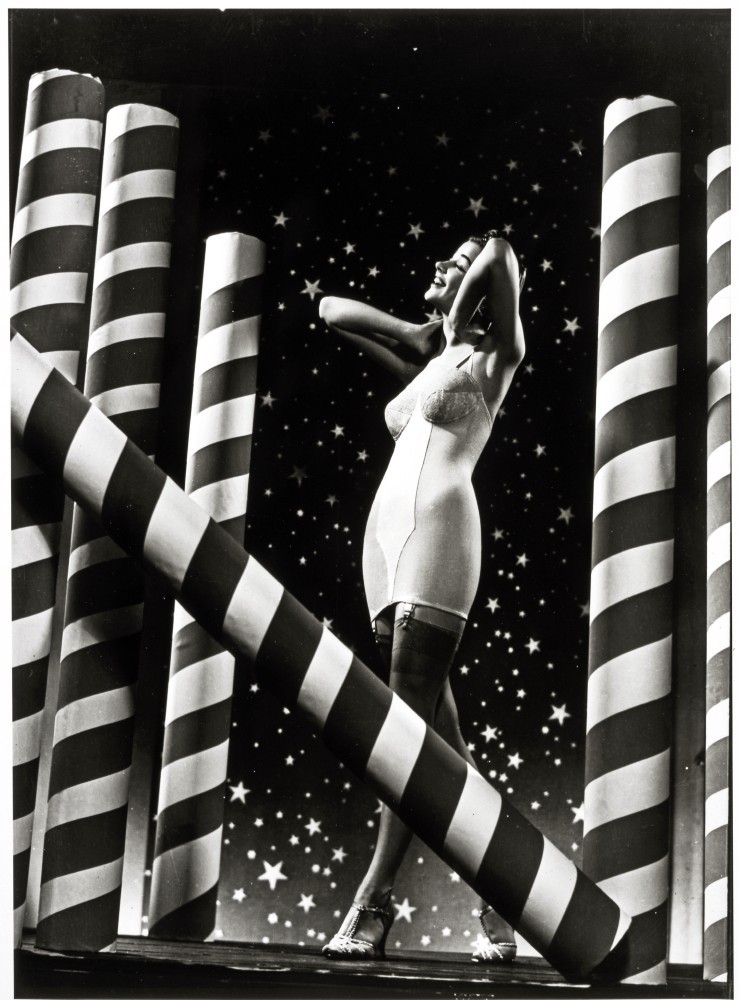
Carter Corsets, woman with stars and stripes background, by Victor Keppler. I love this photo.
One of those amazing/idiotic events with running, crawling through mud, navigating barbed wire, chopping wood, boiling eggs, trivia, brain puzzles, etc. I’m intrigued…
Surviving the Death Race - Video Library - The New York Times
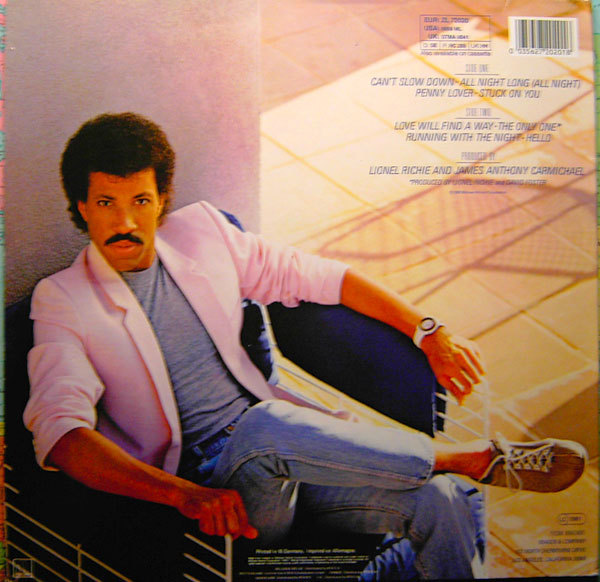
Back cover of Can’t Slow Down. Richie was ahead of his time, fashion-wise.
Once the music plays, it creates me.
An interview with Michael Jackson from 1983 | Music | The Observer
I am certain that underneath their topmost layers of frailty men want to be good and want to be loved. Indeed, most of their vices are attempted short cuts to love.
Joshua Blankenship | Blog » On 30, Aging, Good, Evil, Steinbeck, and Life
Will Smith: The Keys to Life = Running & Reading. I’m totally set! (via)
(Source: https://www.youtube.com/)
Scott Weaver creates a San Francisco toothpick city:
The lesson in this is, ‘What do we do with our time?’. And I love to create. I love to show people what can be done in life if you spend time to create. Use your imagination.
(Source: http://www.youtube.com/)
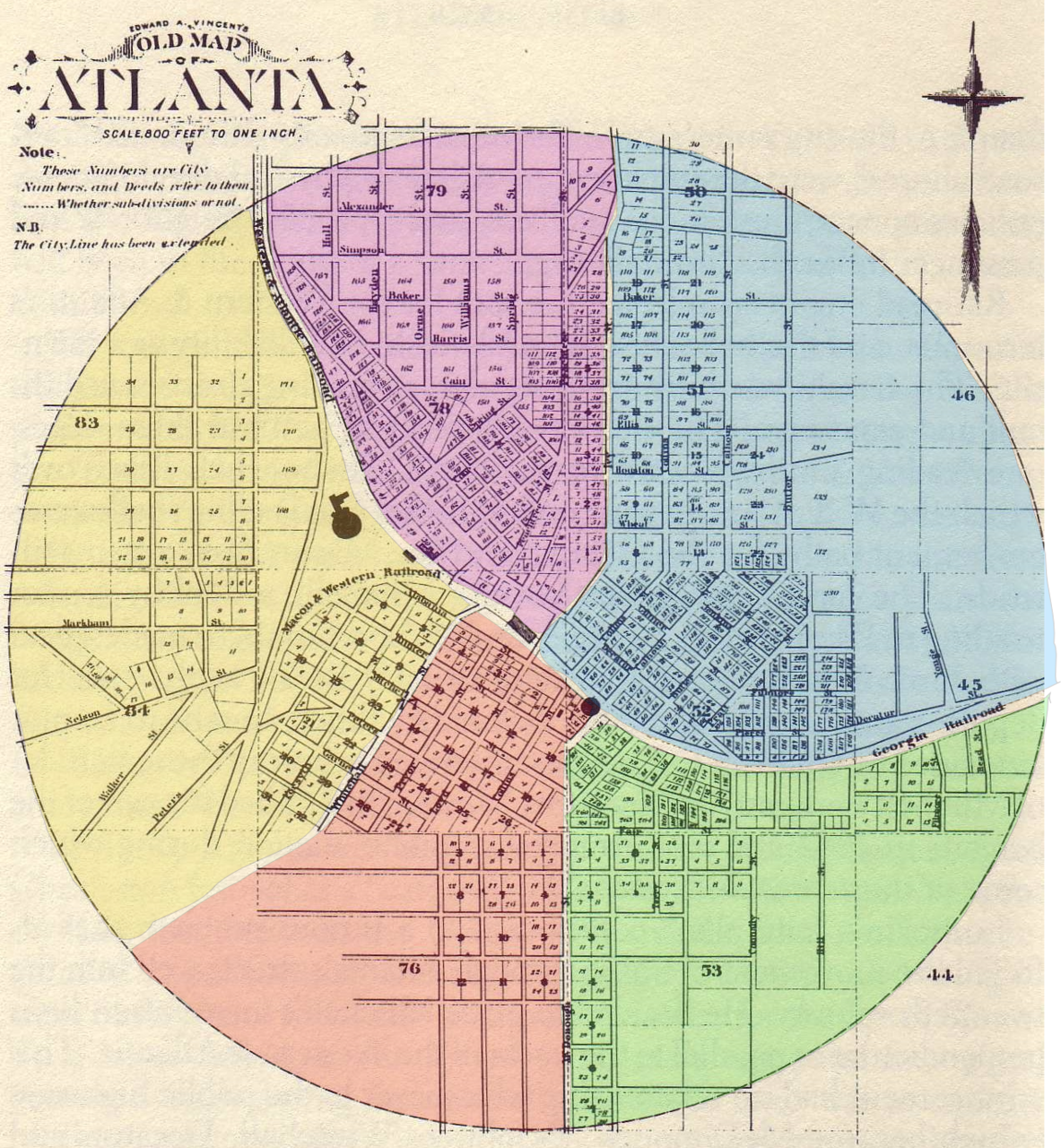
Map of the original 1854 Atlanta Ward System.
Really awesome background on two of Atlanta’s 19th-century sketchy neighborhoods: Snake Nation (now Castleberry Hill) and Murrell’s Row (in today’s Old Fourth Ward/Five Points area). I’d never heard of them before.
My loving homage to every breathless unboxing video ever made.
(via funkaoshi)
(Source: http://stevenf.tumblr.com/)
http://video.google.com/videoplay?docid=3147358394537366471
I saw my first Buster Keaton film yesterday: One Week, a 20-minute short on the joys of home ownership. It’s not always super ha-ha funny, but I love how the directing, acting, stunts, transitions, etc. are so tight and snappy. There are some genuine surprises in there, too.
(Source: http://video.google.com/)
You know how you scratch away at a lottery ticket to see if you’ve won? That’s what I’m doing when I begin a piece. I’m digging through everything to find something.
[…]
Scratching can look like borrowing or appropriating, but it’s an essential part of creativity. It’s primal, and very private. It’s a way of saying to the gods, “Oh, don’t mind me, I’ll just wander around in these back hallways…” and then grabbing that piece of fire and running like hell.
Twyla Tharp on hunting for ideas.
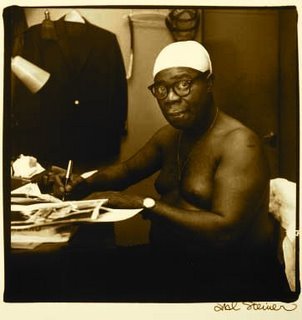
Louis Armstrong, takin’ care of business without a shirt. I wish I knew some background on this photo.
Balloon Land (1935) Ub Iwerks’ ComiColor cartoon. I remember seeing this exactly once, about 20 years ago, and it’s stuck with me ever since. So glad to stumble on it again today.
(Source: http://www.youtube.com/)
I like the idea that you let culture use you as its instrument. What gets in the way is being too clever, or worrying about how something is going to function, or where it’s going to be. When you start thinking of something as art, you’re fucked: you’re never going to advance.
Turner prize winner Mark Leckey talks frankly about the whole competition experience | Art and design | The Guardian (via)