My favorite: “Don’t expect to be too happy, that is counterproductive.”
January 4, 2010
One result of the internet, I think, is that it makes almost everyone smart more eclectic, whether in terms of substance or presentation.
The End of Solitude
The Decade in Music Genre Hype
What is good music?
A review of Roger Scruton’s new book, Understanding Music. I like this analogy, where he uses Wittgenstein’s idea that music is like a facial expression:
Just as facial expressions do not communicate something that can be understood so much as enjoin us to imagine what it feels like when we ourselves make such an expression, so too, according to Scruton, does some elemental aspect of musical experience enjoin us to engage our imagining in similar fashion. In this way, and because the experience of music is not, at least not typically, heard as a single expression, the imagination is forced to grapple with the musical shapes and forms as they unfold over time, following its movement as it echoes in, or is anticipated by, the movements of our body and rational imagination.
It is in this aspect of “enjoinment” – of the way we join with the music – that is the key to Scruton’s conception not only of musical understanding but also of its wider cultural and social value. Just as a grimace demands that we imagine the complex of unpleasant feelings and thoughts behind that particular belligerent facial expression, so too music may require us to identify with a world of sensibilities which happens to sit ill with us.
Bicycle Diaries (review: 3/5)
 I like David Byrne, but I feel really ambivalent about this book. On the one hand, there are some great gems and little thought-bits that come out of a curious mind. On the other hand, as the title so clearly points out, it's diaristic. There's a good amount of day-to-day humdrum "this is what I did here, this is what I did there" stuff to wade through. With that said, here are some parts I especially liked:
On the meta-ness of ringtones:
Ring tones are "signs" for "real" music. This is music not meant to be actually listened to as music, but to remind you of and refer to other, real music... A modern symphony of music that is not music but asks that you remember music.
Although he praises Europe's cultivated, park-like landscape, in particular the "manicured" blend of man and nature in Berlin, he finds it
a bit sad, I think, that my visual reference for an unmediated forest derives from images in fiction and movies. Sad too that the forest in this preserved area was once quite common, but now lives on mainly in our collective imaginations.
Early in the book he talks about a number of American cities in brief. On the town of Sweetwater, Texas:
I enjoy not being in New York. I am under no illusion that my world is in any better than this world, but still I wonder at how some of the Puritanical restrictions have lingered---the encouragement to go to bed early and the injunction against enjoying a drink with one's meal. I suspect that drinking, even a glass of wine or two with dinner, is, like drug use, probably considered a sign of moral weakness. The assumption is that there lurks within us a secret desire for pure, sensuous, all-hell-breaking-loose pleasure, which is something to be nipped in the bud, for pragmatic reasons.
And I liked this back-of-the-envelope theory on mating and signaling in Los Angeles:
I don't know what the male-female balance is in L.A., but I suspect that because people in that town come into close contact with one another relatively infrequently---they are usually physicall isolated at work, at home, or in their cars---they have to make an immediate and profound impression on the opposite sex and on their rivals whenever a chance presents itself. Subtlety will get you nowhere in this context.
This applies particularly in L.A. but also in much of the United States, where chances and opportunities to be seen and noticed by the oppsite sex sometimes occur not just infrequently but also at some distance---across a parking lot, as one walks from car to building, or in a crowded mall. Therefore the signal that I am sexy, powerful, and desirable has to be broadcast at a slightly "louder" volume than in other towns where people actually come into closer contact and don't need to "shout". In L.A. one has to be one's own billboard.
Consequently in L.A. the women, on the face of it, must feel a greater need to get physically augmented, tanned, and have flowing manes of hair that can be seen from a considerable distance.
Summarizing a conversation he had about the creative impulse:
People tend to think that creative work is an expression of a preexisting desire or passion, a feeling made manifest, and in a way it is. As if an overwhelming anger, love, pain, or longing fills the artist or composer, as it might with any of us---the difference being that the creative artist then has no choice but to express those feelings through his or her given creative medium. I proposed that more often the work is a kind of tool that discovers and brings to light that emotional muck. Singers (and possibly listeners of music too) when they write or perform a song don't so much bring to the work already formed emotions, ideas, and feelings as much as they use the act of singing as a device that reproduces and dredges them up.
In a later part, in the London section, he talks about a new wave of appreciation for the late artist Alice Neel, and touches on the convoluted ways we evaluate and reflect on creative works new and old:
Maybe the work looks prescient? Maybe it looks prescient every decade or so, whenever a slew of younger artists do work that is vaguely similar to hers? In that way maybe she's being used to validate the present, and in turn the present is being used to validate the past?
And lastly, on PowerPoint:
A slide talk, the context in which this software is used, is a form of contemporary theater---a kind of ritual theater that has developed in boardrooms and academia rather than on the Broadway stage. No one can deny that a talk is a performance, but again there is a pervasive myth of objectivity and neutrality to deal with. There is an unspoken prejudice at work in those corporate and academic "performance spaces"---that performing is acting and therefore it's not "real". Acknowledging a talk as a performance is therefore anathema.
December 28, 2009
The central failure of these interviews, like so many, is that they operate from the proposition, “what would my readers find interesting?” instead of “what does my subject find interesting?”
TIME for Magnus Carlsen - The Daily Dirt Chess News Blog. I don’t care about chess much at all, but that line is good. (via)
December 28, 2009
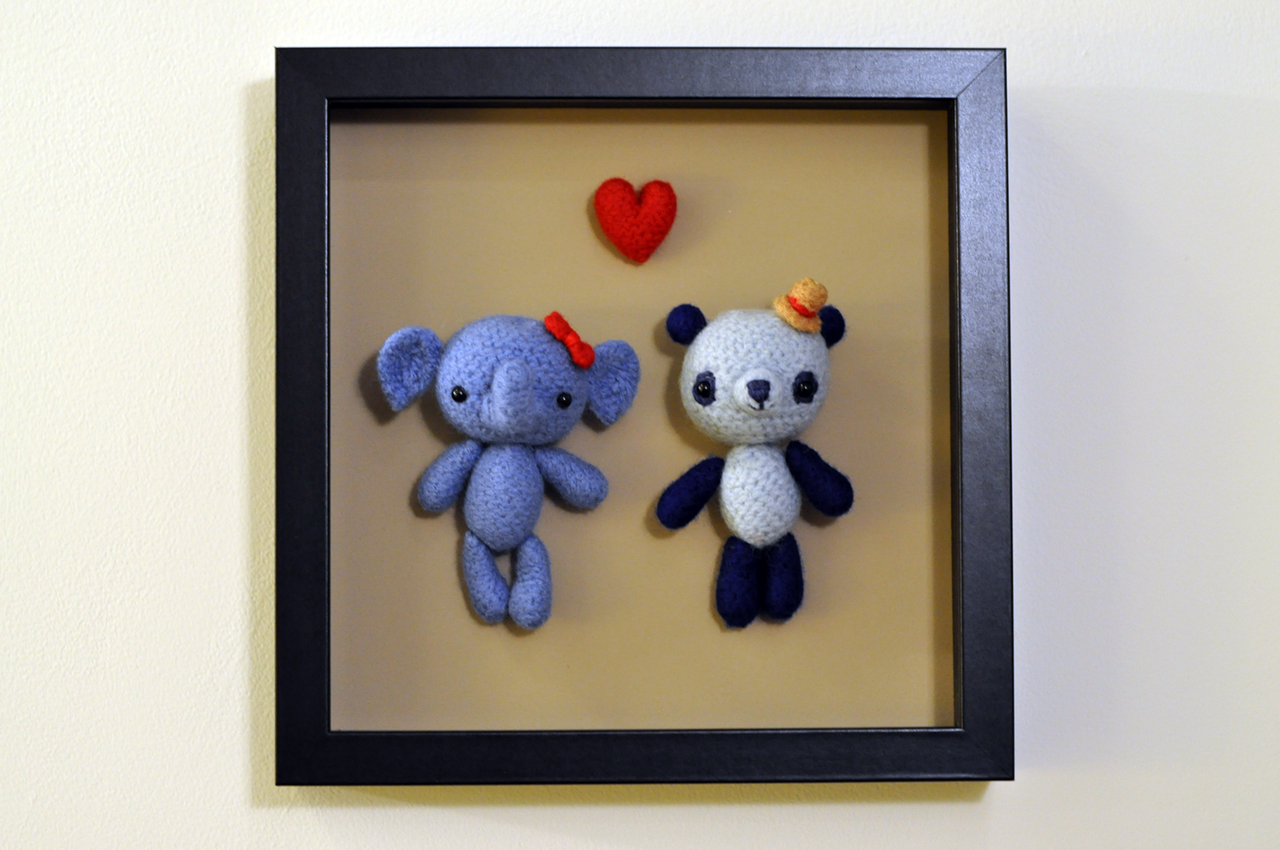
elephant + panda shadowbox
these little dudes turned out to be some of my favorites! i crocheted them almost entirely on airplanes.
crocheted and hand felted
materials: wool yarn, eyeballs, stuffing, pastel paper, shadowbox, <3
I don’t know if we’re allowed to do anything crafty on airplanes anymore. Come on TSA! We need more shadowboxes!
December 28, 2009
And suddenly everything he had been doing stood up…
The five texts « Snarkmarket. Great line.
On the Waterfront
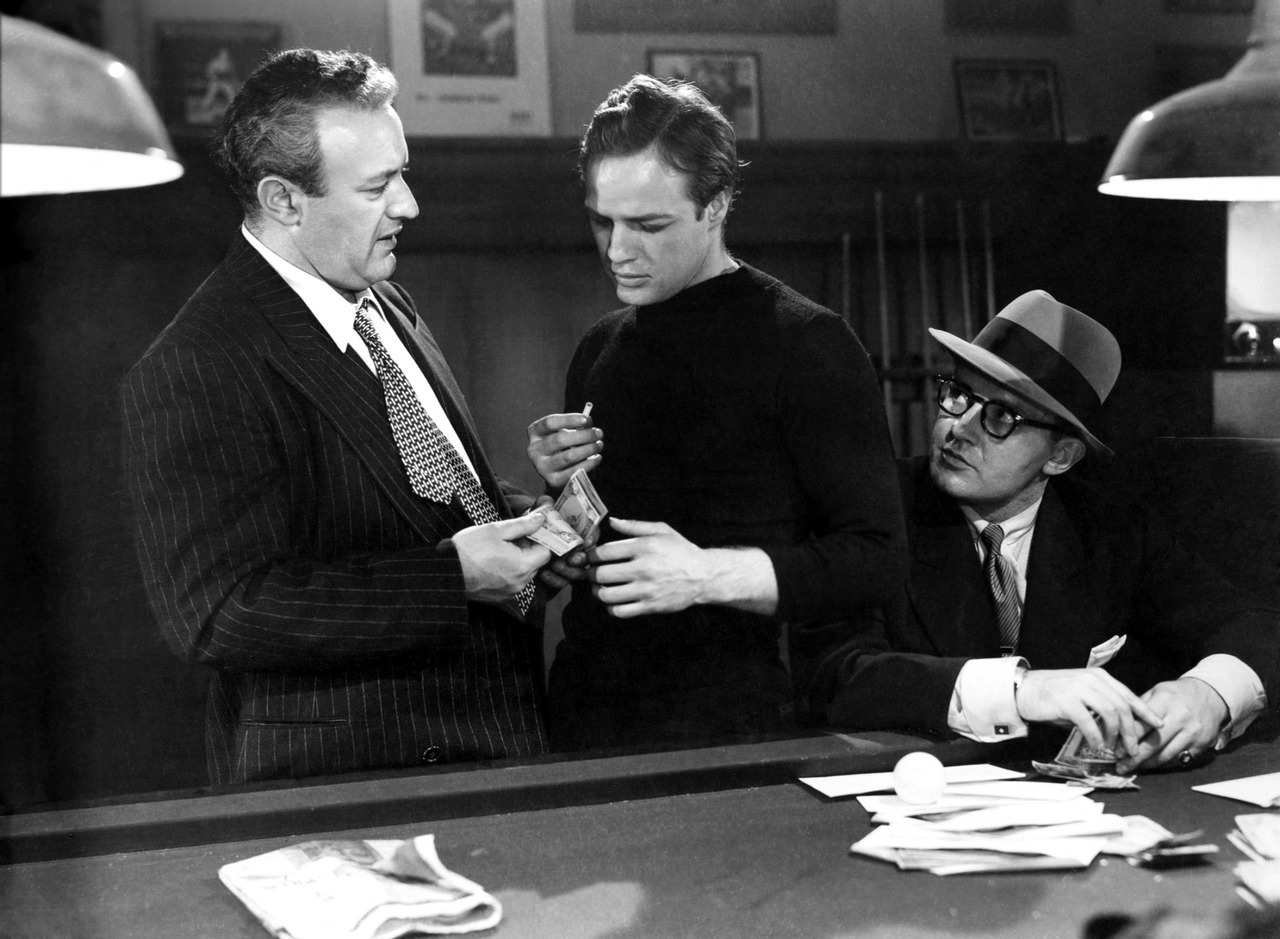 On the Waterfront. So good.
December 23, 2009
Amazing! Bird sounds from the lyre bird - David Attenborough - BBC Wildlife. When the lyre bird sings, it copies other birds like kookaburras, and even human things it hears like camera shutters, car alarms, and chainsaws (!!!).
(Source: https://www.youtube.com/)
December 22, 2009
A Soul Train line dance from 1973 — they’re dancing to Fred Wesley & The J.B.’s Doing It To Death. So good.
(Source: http://billa.tumblr.com/)
December 22, 2009
I volunteered to serve food to the workers at Ground Zero after 9/11. There were dogs trained to find living people. The people who worked with the dogs became worried because the day after day of not finding anyone was beginning to depress the animals. So the people took turns hiding in the rubble so that every now and then a dog could find one of them to be able to carry on.
December 21, 2009
Favorite Albums of 2009
Like last year, I spent (way too much?) time going through iTunes to pick some stand-outs for my year in music. Like the previous list, most of these didn't actually come out this year, but 2009 was the first time I gave them a serious listen. I'll go month-by-month again, and holy cow January was amazing... January 
Two fantastic albums from Frank Sinatra: both Only the Lonely and the earlier In the Wee Small Hours deal with the same sort of late-night streetlight melancholy.
Rush, Permanent Waves. The Spirit of Radio is a great way to start the year, no?
From Nashville to Memphis is a great Elvis collection. It's got most of the hits you expect, some lesser-knowns and some good covers.
And another crooner: Cool Spring collects a couple Chet Baker sessions over in Italy. When I Fall in Love is one of my favorites.
Ali Farka Touré. I listened to the Red and Green albums and the self-titled album later this year, but this month's Niafunke was the best of all. I like the richer sound and more varied instrumentation here.
Nusrat Fateh Ali Khan, Dust to Gold. This is the only thing from him that I've heard. I wonder if it's just the novelty that keeps me coming back, but I don't regret it. Khawaja Tum Hi Ho (Master It Is Only You) is a good one.
February My friend Kat Edmonson released Take to the Sky. w00t. Incredible voice and smart arrangements.
Eva Cassidy's posthumous Somewhere is full of great covers. Some are folky, some are blues-rocky-y, and there's the old ballad that just kills me every time, My Love Is Like A Red, Red Rose.
March 
March was Igor Stravinsky Month around here. Thanks to Alex Ross' tip, I picked up that 22-disc Works of Igor Stravinsky. When you're exposed to a full life's work, you may hear as much that's mediocre as is brilliant, but you also get a sense of all the labor that goes into it.
The Song from the Hill is a set of recordings of the Wind Harp, this giant sound sculpture on a hilltop in Vermont. Spooky, droning ambient-type stuff.
The Byrds. Mr. Tambourine Man. This is one of those albums that's just unbelievably chock full of fantastic songs. I had no idea.
April Kind of a weak month compared to the first three, but I did enjoy Diana Krall's Quiet Nights and a collection of Richard Strauss' work for voice and orchestra, Four Last Songs.
May 
Lady in Satin, my friends. It was one of Billie Holiday's last albums. You've got her aging voice taking on all-new material, backed (atypically) with a string orchestra. It is so good. For Heaven's Sake and I'm a Fool to Want You are the stand-outs for me.
A lot of John Coltrane's stuff leaves me feeling "eh", but I thought Dear Old Stockholm was really nice. Dear Lord is my pick.
This was my first exposure to Beach House. Treat yourself to their self-titled album and Devotion, and you will be in a happier place. Teen Dream will also rock you, no doubt.
June I came across Miles Davis' Legendary Prestige Quintet Sessions late in the month. Lots of good stuff there, collecting tracks from the same sessions that were released separately back in the mid-50s.
Back in college when I was in the orchestra, we did Ravi Shankar's concerto featured on Sitar Concerto & Other Works. Perhaps the nostalgia influences this choice, but the other pieces are interesting in their own right.
July 
Cocteau Twins were totally new to me. Heaven or Las Vegas is really excellent. See also Treasure and Garlands.
Maybe it's not really summer music, but I finally gave Elliott Smith some attention. I think Figure 8 narrowly wins over XO and Either/Or.
I might be including Dr. Dre's 2001 simply on the strength of its opening tune, The Watcher. Makes me wish he'd spent more time on the mic these past couple decades. Nice new take on the familiar G-funk sound.
August 
A weak month, but I sat with another album it took me a while to catch up on: Bob Dylan, Bringing It All Back Home. It's really good, y'all.
September 
Another excellent month. Another round of success with The Byrds. This time it was Younger Than Yesterday and yet again, it's another kind of ridiculously saturated-with-goodness album.
Follow that with Intimate Voices, with the Emerson Quartet playing works by Carl Nielsen, Edvard Grieg and my beloved Jean Sibelius.
This month was also the first time I'd heard Mahler's 9th Symphony all the way through, so I can't really compare this recording to interpretations. This piece is exhausting. In a good way, I think.
If you only know Erik Satie for his Trois Gymnopédies, then you are cheating yourself. His other piano works deserve your attention. The Gnossiennes are great.
I learned about Symphonies of the Planets from a friend at work. It's ambient space music based on the NASA Voyager Recordings. Great stuff, if you can track it down.

I love Joanna Newsom, but had never heard her early, self-distributed Walnut Whales EP. That early organ version of Peach Plum Pear is so good.
I closed out the month with another epic box set: Rostropovich: The Russian Years, 1950-1974. Many of the recordings are premieres. And there's even a few recordings with the composers (e.g. Shostakovich) accompanying on piano. I think that kind of personal, of-the-moment touch adds some life to the listening experience.
October 
The 1st of the month brought John Coltrane & Johnny Hartman into my life. It's barely a half-hour, but man, it is fantastic. My One And Only Love is the clincher.
October also turned into Leonard Cohen Month. Death of a Ladies' Man might be the favorite, but I'm Your Man is close behind. See also: every other album. They're all good.
St. Vincent. Actor. Go get it. When I blipped Human Racing, I mentioned that the album gets stronger as it goes on. I stand by that statement and also can't help but recommend Marry Me.
I closed out the month with some great soul. Sam Cooke's Night Beat will make you really depressed that he died so soon after. And Marvin Gaye might have stretched himself a bit thin on Here, My Dear, but I love some of the anger and frustration there. Check out When Did You Stop Loving Me, When Did I Stop Loving You.
November 
November was Kraftwerk Month. I was familiar with the standard post-Autobahn Kraftwerk canon, but the early ones were nothing like I expected and also very good. Tone Float is trippy psychedelic-jam stuff from before they were Kraftwerk. And the self-titled albums are nice, but Ralf and Florian is probably my favorite from this era.
I'm not much of a Moby fan, but I was quite surprised with Wait for Me. The pace is more chill, the sound more personal. Really good.
In the same vein, a lot of Velvet Underground leaves me feeling "eh", but Loaded, like the stuff from The Byrds earlier this year, is just packed with goodness. Though I hear it's a somewhat divisive album...
December It may be too early to tell, but right now I think the best has been the last three albums in Brian Eno's Ambient series, Paul & Linda McCartney's Ram, and, out of nowhere, Wulomei's album Kpabi.
Up in the Air
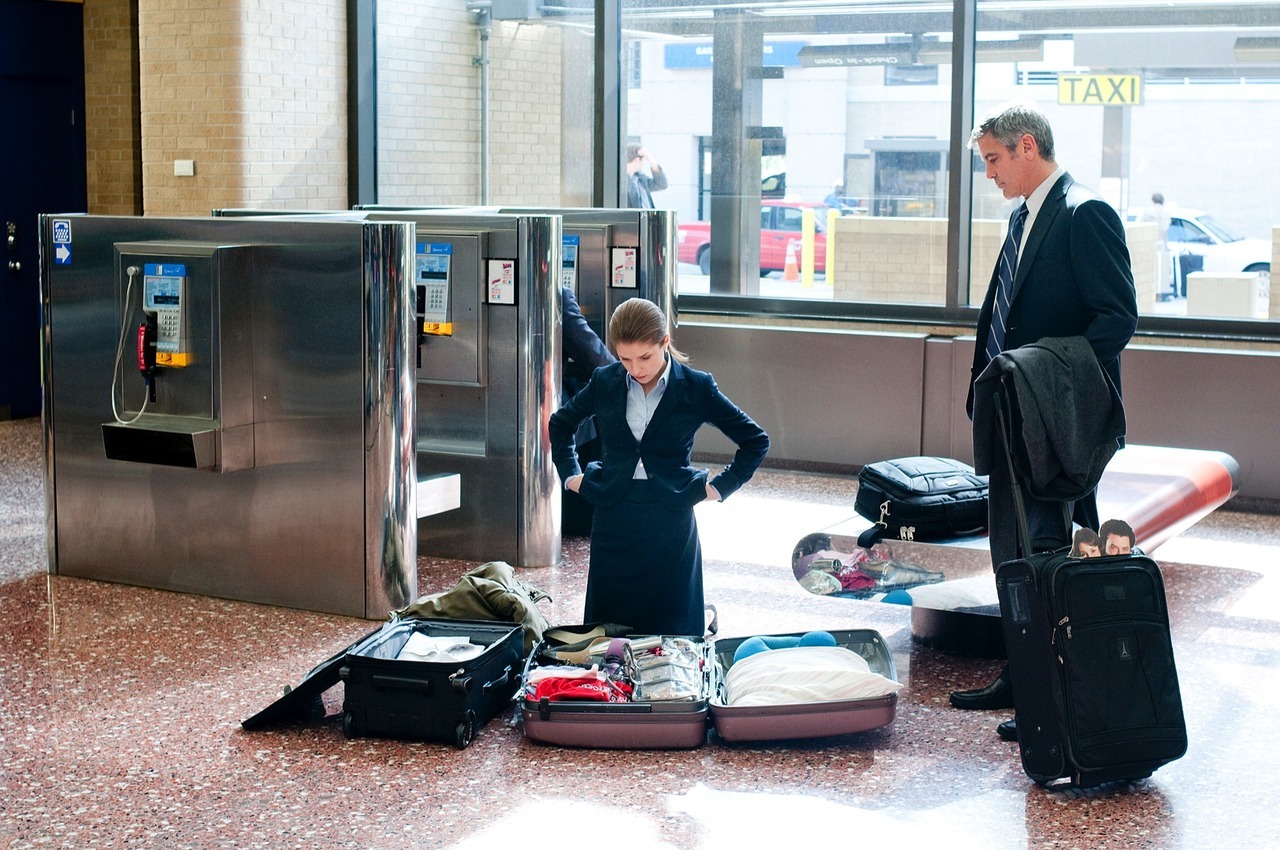 Up in the Air. One of the best movies I saw this year. Left the theater feeling quite satisfied.
The best films of 2009 - Roger Ebert's Journal
“There was hell to pay last year when I published my list of Twenty Best. You’d have thought I belched at a funeral. So this year I have devoutly limited myself to exactly ten films.
On each of two lists.”
December 18, 2009
December 17, 2009
(Source: https://www.youtube.com/)
December 17, 2009
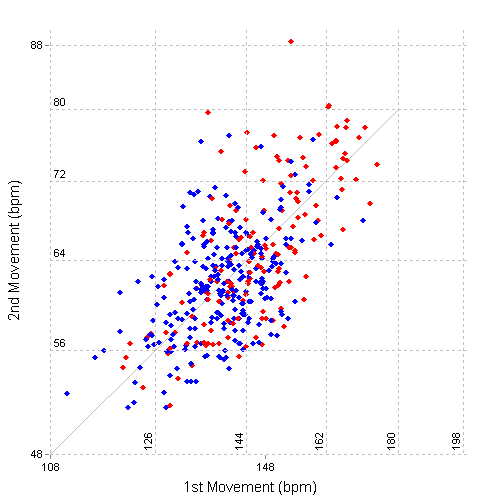
An Eroica Project. “This site uses the Eroica as the starting point for several different kinds of exploration.” (via)