Charlie Brooker - How To Report The News (via)
(Source: http://www.youtube.com/)
“Music for Pieces of Wood” by Steve Reich. Performed by Nexus.
(Source: https://www.youtube.com/)
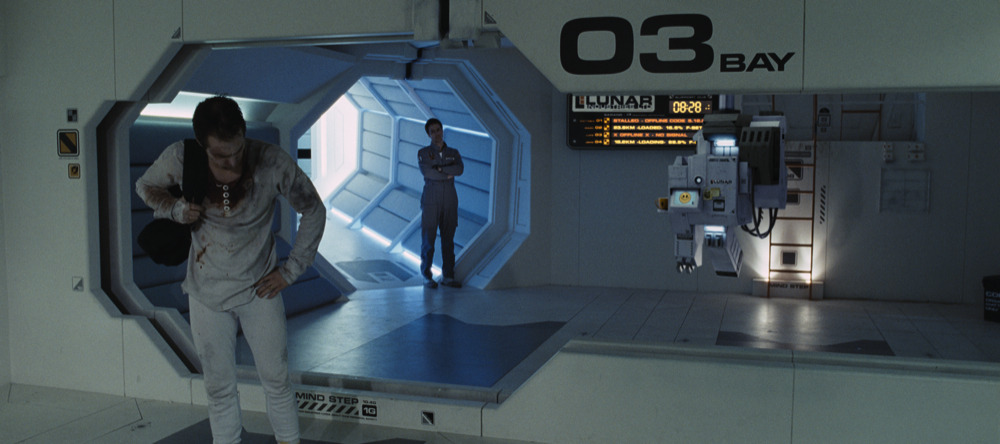 Moon. I really liked this one in the end. Good score, too, aside from a couple piano interludes. I was expecting a psycho-mind-bender kind of thing where we watch Sam Rockwell lose it for an hour. That does happen, for a bit. At first I was skeptical about the twist and the HAL-esque computer friend and the token evil corporation. But then, it turns into a surprisingly effective little deliberation on identity and memory and ethics and such. Recommended!
 Rushmore. This is my second Wes Anderson film (previously). I knew next to nothing about it before I started, maybe some prepping would have helped. In the end I say, “not worth it”. I almost didn’t finish. Next up, Royal Tenenbaums.
The critic, ever wary of a band like Vampire Weekend’s likely privilege, doesn’t look very far into what, if anything, they’re saying about class — so sure is she that her take on class issues will be more important and incisive. The critic, ever wary of the band’s interest in African music being dilettantish, doesn’t much ask how that influence is operating — so sure is she that her relationship with African music is deeper, more solemn, more respectful. And at some point we’re barely reading criticism anymore: we’re just watching the refereeing of a game we’re all too familiar with.
 I felt pretty torn about this one. I'd been following Gretchen Rubin's blog about the Happiness Project for a while and wondered what extra stuff would be in the book. I got it from the library, so I'm not sure that it matters as the only cost to me was time. Luckily she's a really fluid writer and it's a quick read, so it's not in the "waste of time" category. Good parts:
If there's a downside, it's that I wish she'd shared more of the studies she read up on (surely a ton), and less of the personal anecdotes of how she applied them. But then again, I wonder if I'd say the opposite if the reverse were true? Either way, you can probably get the most bang for your buck by ripping through the best-of section over on her site. Tyler Cowen says "On net, Gretchen's tips will enhance your happiness." I suspect this is true.
Not every end is a goal. The end of a melody is not its goal; however, if the melody has not reached its end, it would also not have reached its goal. A parable.
Nietzsche. Yeah, I kind of hate to be that Nietzsche-quoting guy, but I read it in Gretchen Rubin’s book The Happiness Project this morning and it stuck with me.
Archive of Salinger’s stories for the New Yorker. (via)
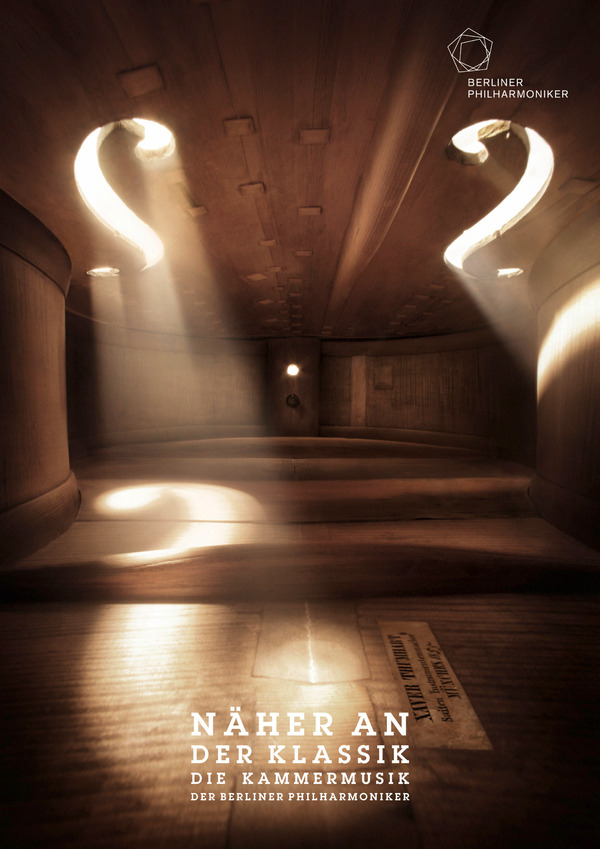
Inside the instruments of the orchestra. I thought this was a model for concert hall when I first saw it!

The Great Atlanta Fire of 1917. Photographer unknown.

Ever the realist, he built his table for one.
(Dwell magazine, February 2010)
Nice satire of current modern/minimalist interior design porn.
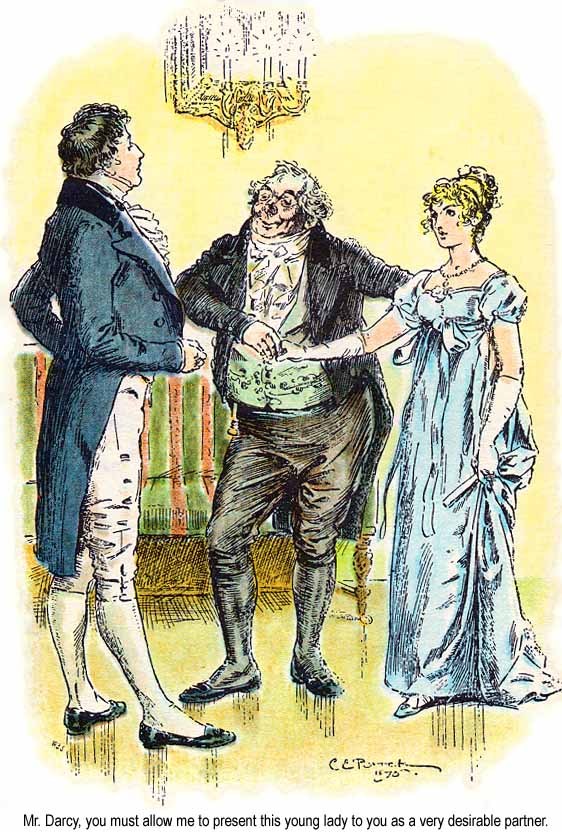
Illustration for Pride & Prejudice by C.E. Brock. From Pride and Prejudice Hypertext, which has a lot of cross-referencing, genealogy, illustrations, maps, motifs, historical tidbits, etc.
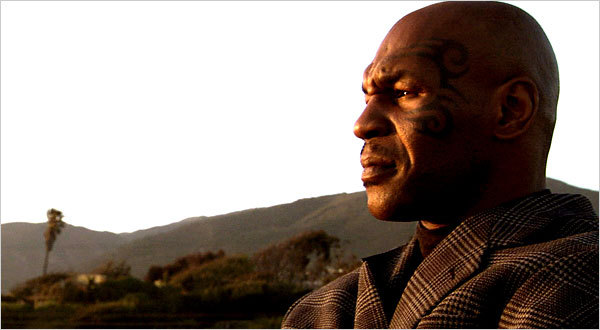 Tyson. It’s a great movie. Tyson narrates the whole thing, which is interspersed with footage from his entire career. What could be boring talking head scenes are somewhat enlivened with multiple camera angles, split screens, cuts, etc. You can’t help but feel some sympathy for the guy.
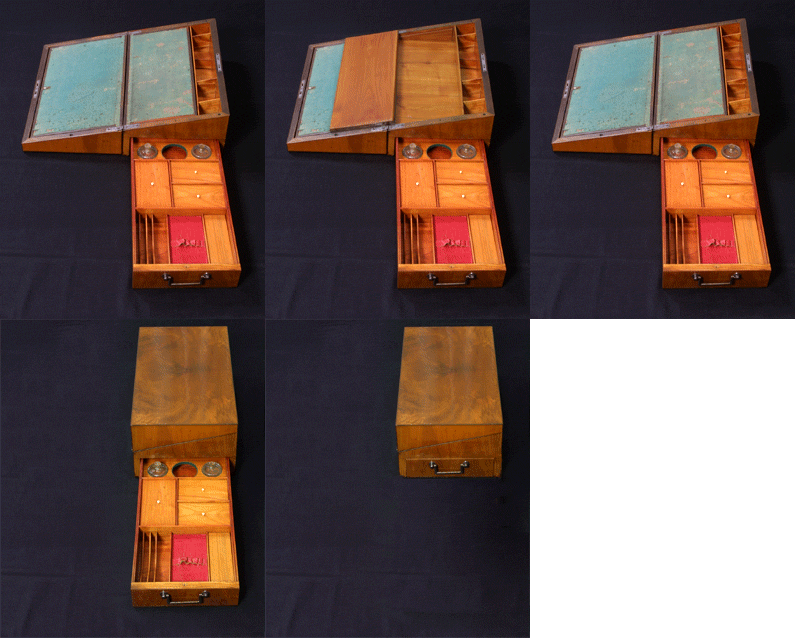
Beethoven’s laptop. That’s a clever little desk, no?
In the last weeks of Beethoven’s life this travel desk was placed right next to his bed. Three days before he died, he wrote a codicil to his will at the desk, in which he named his nephew Karl as his sole heir. Beethoven probably kept his letter to the Immortal Beloved in the open compartment shown here.
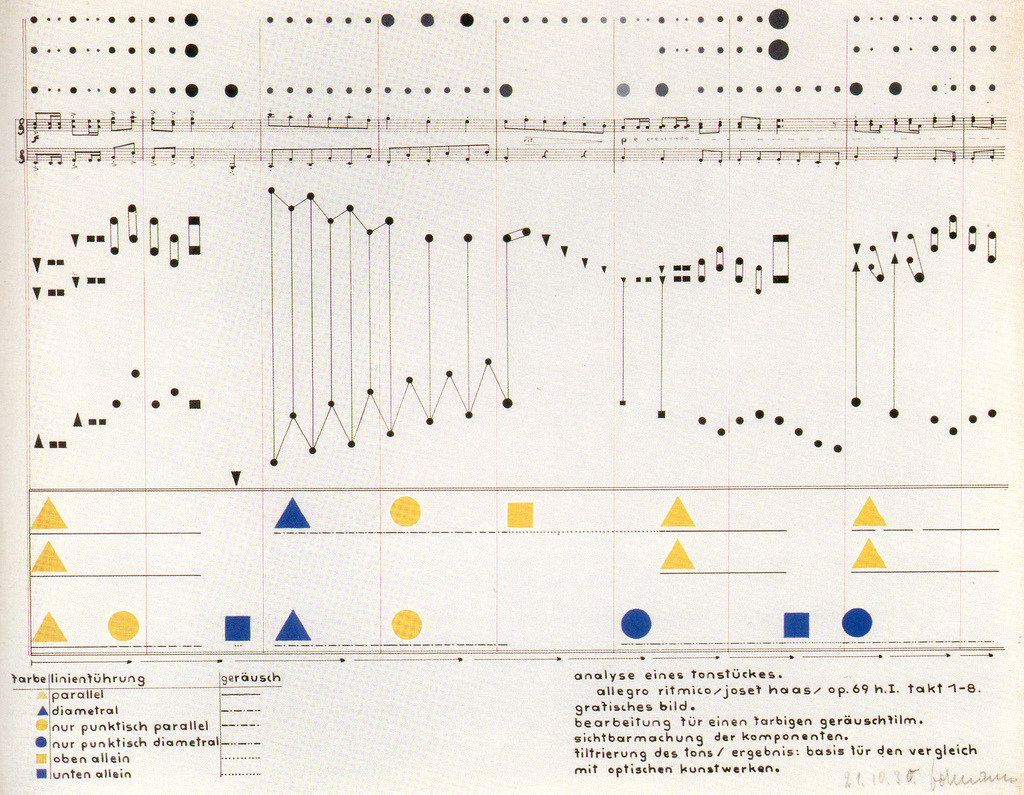
Heinrich-Siegfried Bormann - Visual analysis of a piece of music from a color-theory class with Vasily Kandinsky. October 21, 1930. (via)
A documentary by Dirk Simon about the current Tibet/China situation. Soundtrack by Philip Glass, Thom Yorke, and Damien Rice.
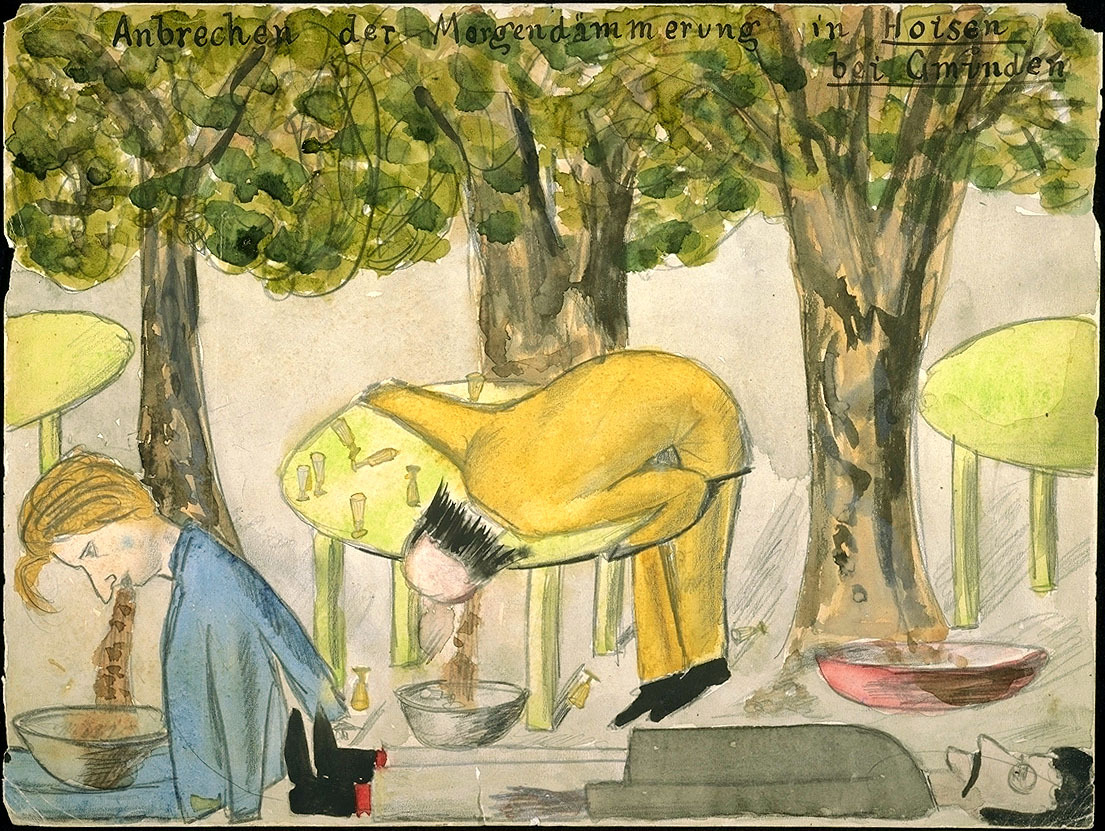
Daybreak in Hoisen near Gmunden by Arnold Schoenberg. Looks like they had a rough weekend. That’s one of many of Arnold Schoenberg’s Paintings and Drawings.