A reservation can cost up to $220 per night for a minimum two-night weekend stay in midsummer. Coffee delivered at your tent-flap is $9 extra. This is the worst thing to happen to public camping since poison ivy.
The Thin Blue Line
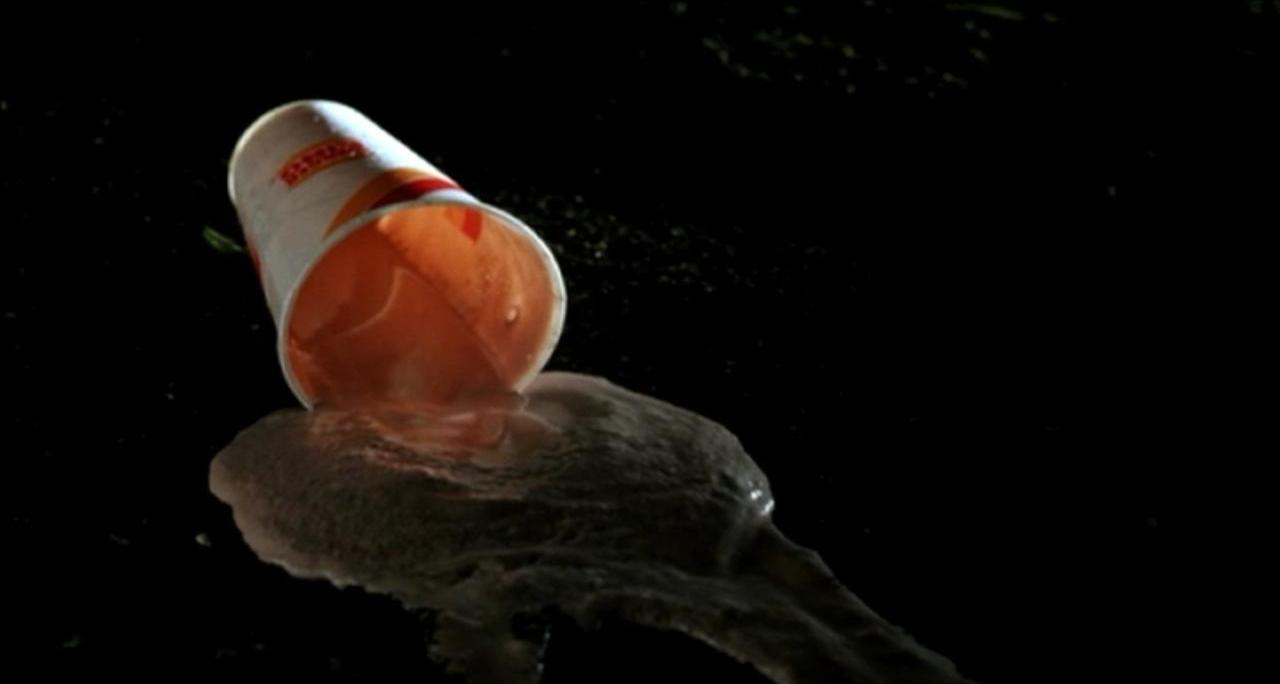 The Thin Blue Line. I appreciated it more for historical/influence reasons than for the viewing experience. Charles Musser’s Criterion essay helps put it into context.
Happy People: A Year in the Taiga
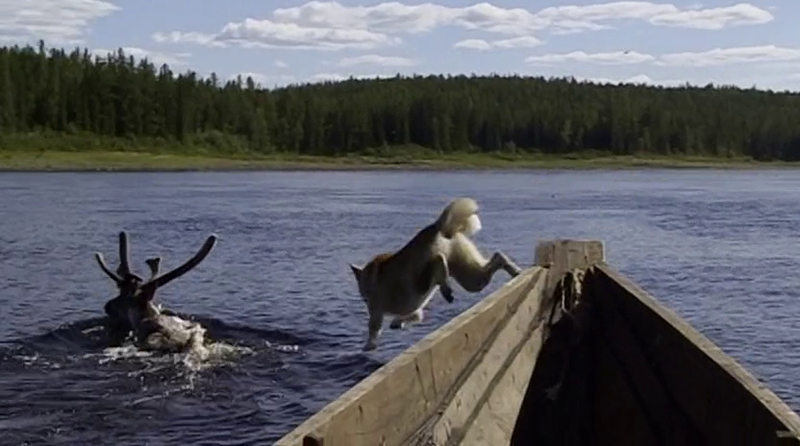 Happy People: A Year in the Taiga. It tracks a year in the lives of Siberian trappers, mostly. Deep Russia is such a strange place. I’m both in love and terrified. Definitely want to see more Herzog, documentaries in particular. So far I’ve only seen Grizzly Man a couple times, and The Bad Lieutenant: Port of New Orleans.
Three-Ten to Yuma, and Other Stories
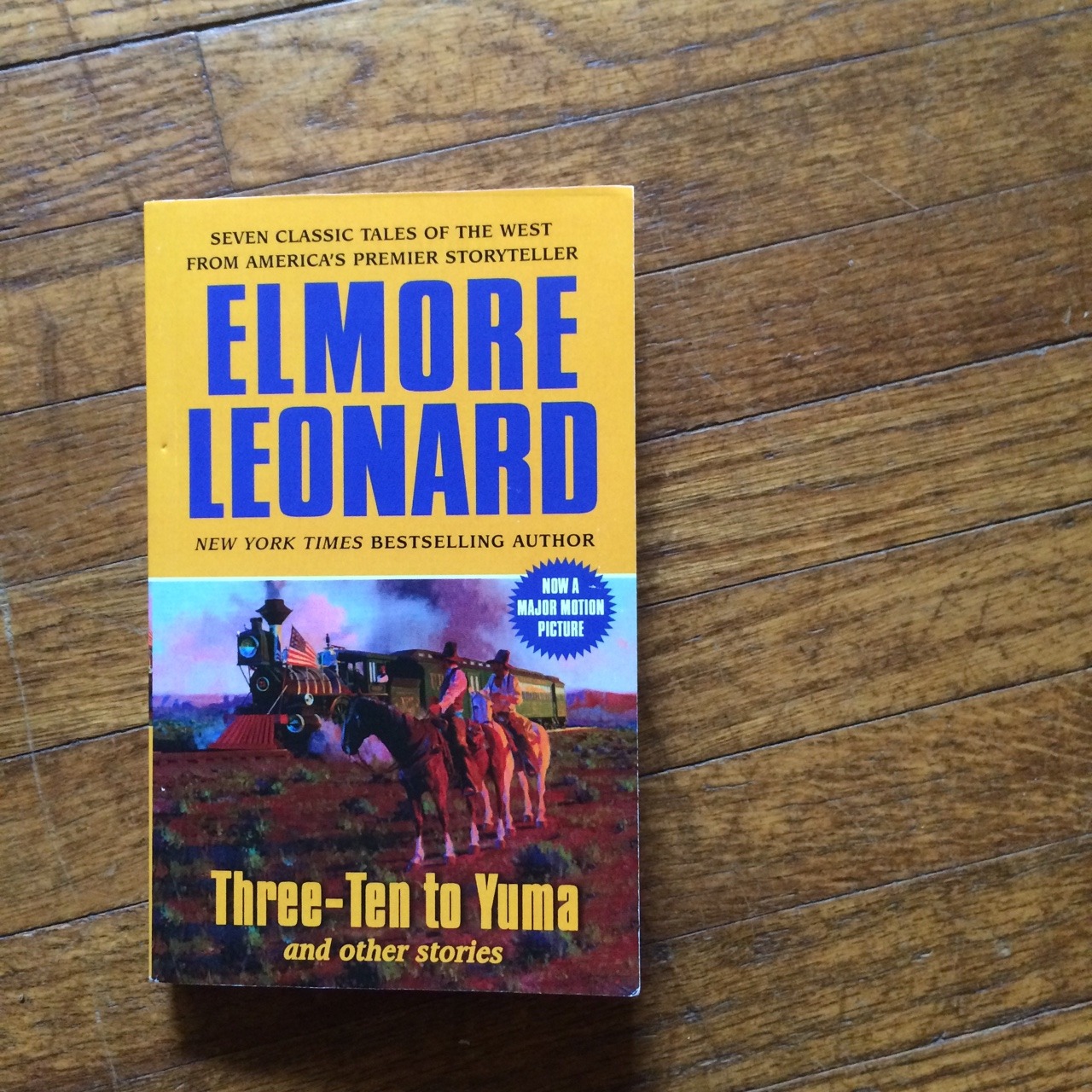 I read Elmore Leonard’s Three-Ten to Yuma, and Other Stories because I really liked the old movie that was based on the title story. The others are similarly brisk and evocative of more than they say explicitly. This was a great fit with my current reading cycle. Some small tasty bits to shake things up between a couple longer ones.
Don’t You (Forget About Me) - A Tribute to 80’s Teen Movies
Don’t You (Forget About Me) - A Tribute to 80’s Teen Movies. (via). So many formative feelings here.
(Source: https://www.youtube.com/)
Orion Magazine | Landspeak
A new edition of the Oxford Junior Dictionary was published. A sharp-eyed reader noticed that there had been a culling of words concerning nature. Under pressure, Oxford University Press revealed a list of the entries it no longer felt to be relevant to a modern-day childhood. The deletions included acorn, adder, ash, beech, bluebell, buttercup, catkin, conker, cowslip, cygnet, dandelion, fern, hazel, heather, heron, ivy, kingfisher, lark, mistletoe, nectar, newt, otter, pasture, and willow. The words introduced to the new edition included attachment, block-graph, blog, broadband, bullet-point, celebrity, chatroom, committee, cut-and-paste, MP3 player, and voice-mail.
Heat
The Secret of Kells
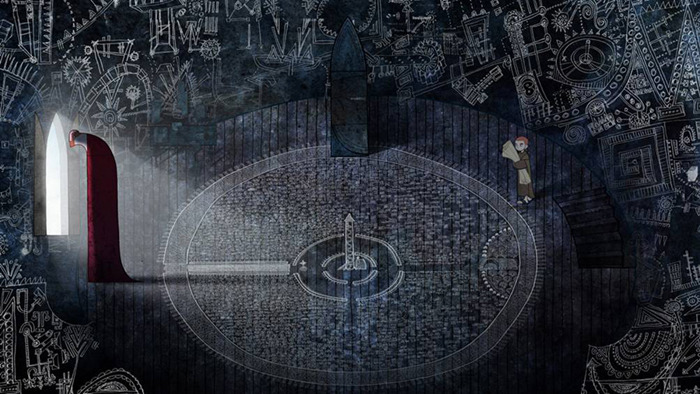 The Secret of Kells. Gorgeous, but a little thin, story-wise. It focuses on Brendan, and hints at so many possibilities about creativity, religion, fear, duty, and so on… but only hints, and left me wanting more. Not sure there’s enough in here for kids, either, now that I think about it. Beautiful, though. I love that it embraces the frame and uses big chunks of the screen borders just for mood/decoration when it feels like it.
Sphinx
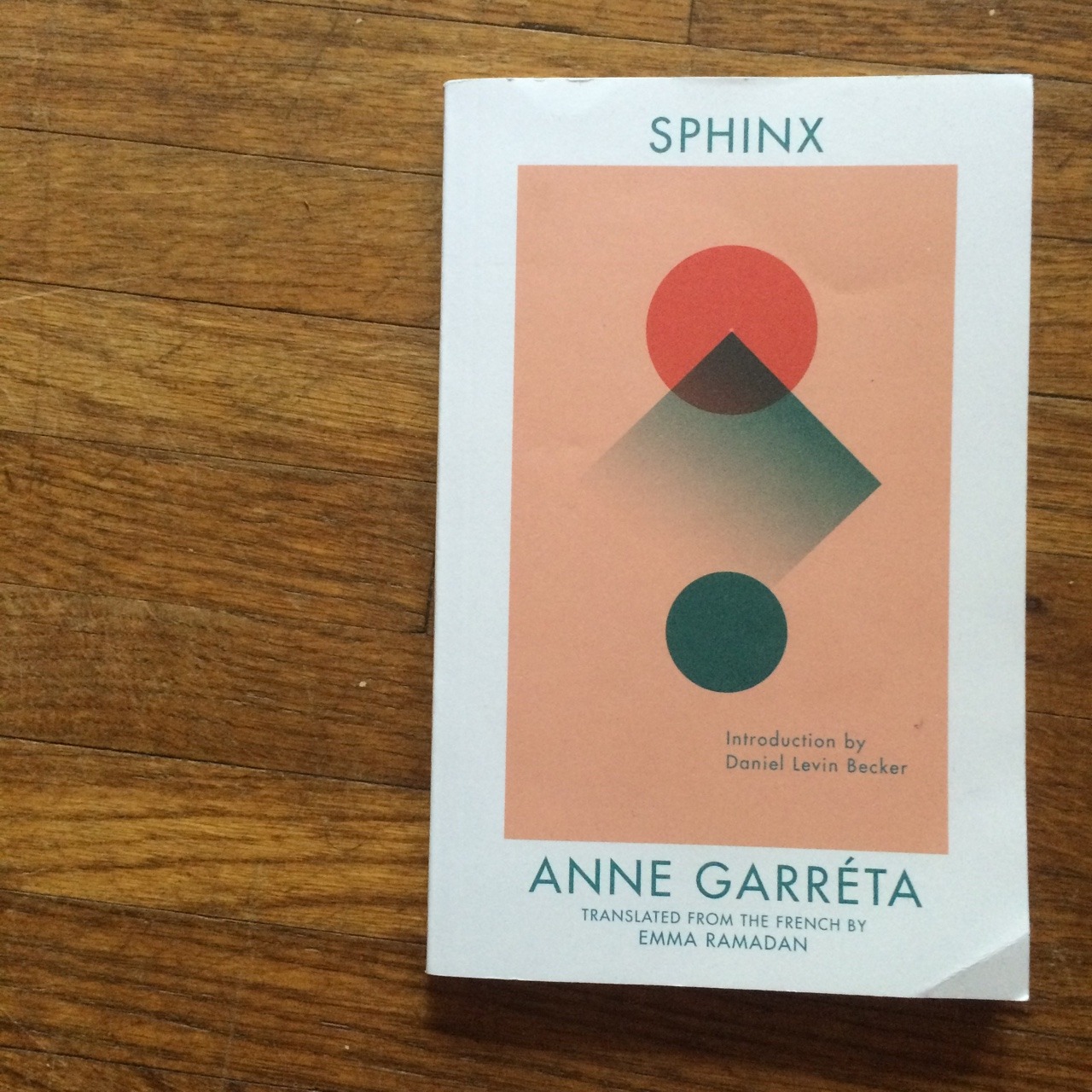 I read Anne Garréta’s Sphinx, and there’s a crazy Oulipian experiment going on here. Once you realize the constraint that makes this book strange and different, you can’t help but be impressed that it was 1) written and 2) translated well (shout-out to Deep Vellum). It’s a story of the narrator’s obsession and romance, “caught up in a love that was always uncompleting itself”. I enjoyed it.
The Inner Game of Tennis
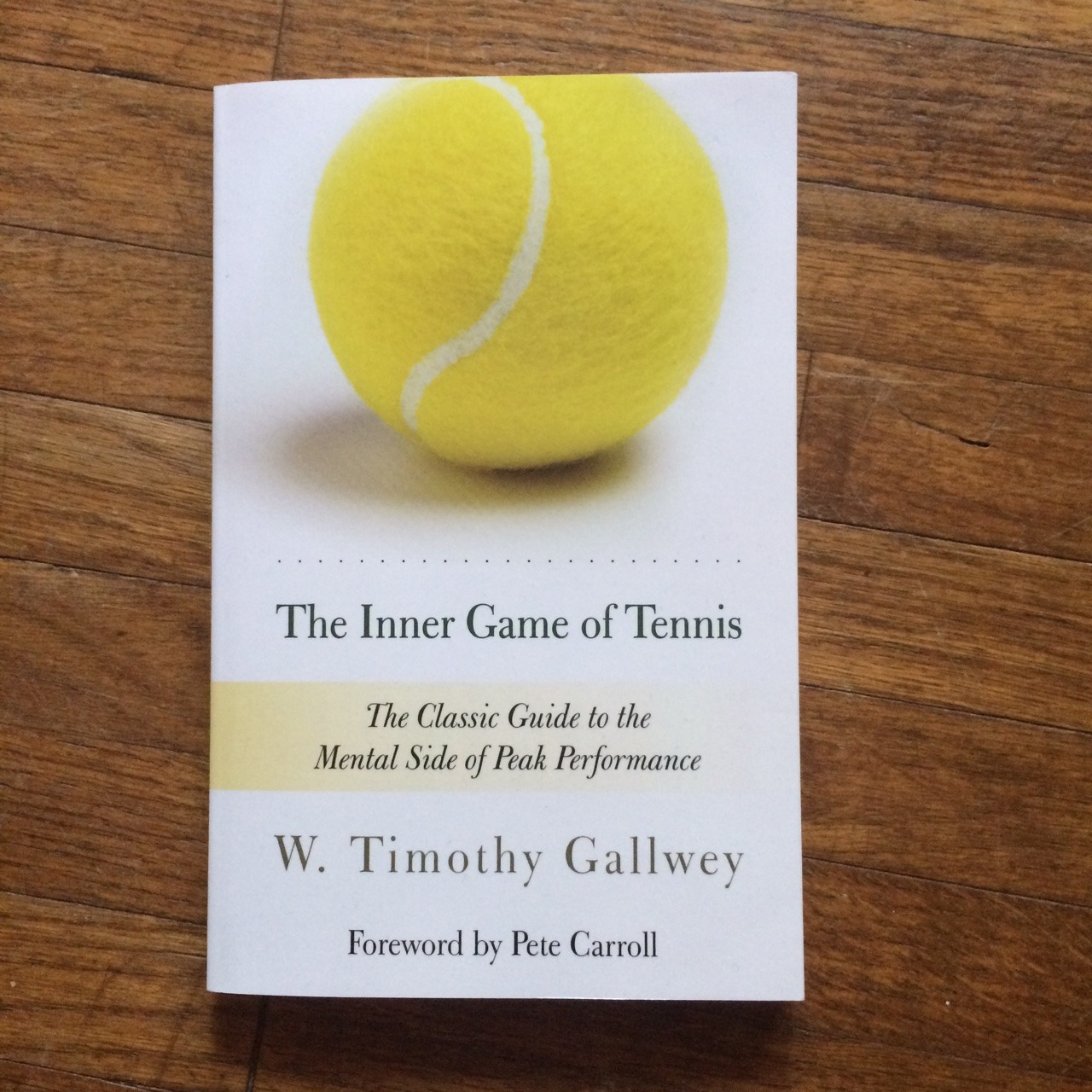 I read Timothy Gallwey’s The Inner Game of Tennis, and really enjoyed it. It’s one of those “hub” books you come across every so often, where you realize there are spokes sticking out into a bunch of other stuff that’s been on your mind lately. Gallwey’s working theory here is about the internal dichotomy between “Self 1” and “Self 2” in performance. Self 1 is that voice inside, that part of you that “knows” how to do things, that instructs, urges, reprimands, exhorts. Self 2 is the one that does things. Given that Self 1 is so eager to “try hard” and correct and evaluate, successful practice and performance is about building trust for Self 2 and learning through practice and simple observation.
Letting go of judgments does not mean ignoring errors. It simply means seeing events as they are and not adding anything to them.
Mindfulness! There’s a flip side of that, too – Self 1 can be too pleased with itself when things are going well. Self-congratulations also takes you out of the moment. I really like this section, about avoiding criticism as we learn:
When plant a rose seed in the earth, we notice that it is small, but we do not criticize it as “rootless and stemless”. We treat it as a seed, giving it the water and nourishment required of a seed. When it first shoots up out of the earth, we don’t condemn it as immature and underdeveloped; nor do we criticize the buds for not being open when they appear. We stand in wonder at the process taking place and give the plant the care it needs at each stage of its development. The rose is a rose from the time it is a seed to the time it dies. Within it, at all times, it contains its whole potential.
Another interesting bit:
If you think you are controlled by a habit, then you will feel you have to try to break it. […] There is no need to fight old habits. Start new ones.
And I thought this was nicely phrased…
Natural focus occurs when the mind is interested.
Focus isn’t something we do, it’s something that results. I also like one final section on the games that people play aside from the actual game itself. We each tend to embrace different goals within the game: to be perfect, to be better than the other guy, to appear to be great, to bond, to learn, to be challenged, etc. Each of these motivations influence and contaminate and distract us from performance to some degree. Very highly recommended! Some other related posts around here: Never try to look cool and learn something at the same time. Nervous is good. Performance vs. editing. In order to have your best performance you have to be relaxed. That eye-on-the-object look. Reality not maybe is zen. Festina lente. Willing to be shit at things. Forever the 5-year-old of something. A good coach made you suffer in a way that suited you.