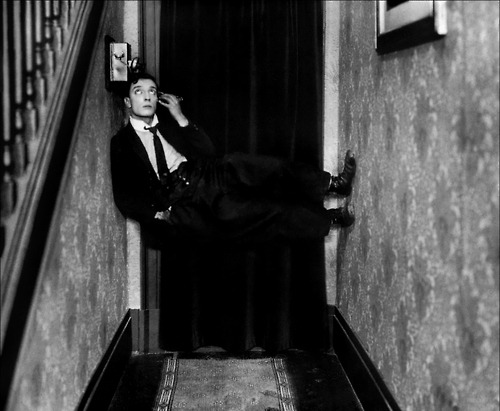
“It’s said that Chaplin wanted you to like him, but Keaton didn’t care. I think he cared, but was too proud to ask. His films avoid the pathos and sentiment of the Chaplin pictures, and usually feature a jaunty young man who sees an objective and goes for it in the face of the most daunting obstacles. Buster survives tornados, waterfalls, avalanches of boulders, and falls from great heights, and never pauses to take a bow: He has his eye on his goal. And his movies, seen as a group, are like a sustained act of optimism in the face of adversity; surprising, how without asking, he earns our admiration and tenderness.” —Roger Ebert
The digital revolution in higher education has already happened. No one noticed.
Our collective obsession with elite students and institutions means public conversations about college are increasingly irrelevant to the lives of many of the actual students.
The digital revolution in higher education has already happened. No one noticed.
Buster Keaton – The Art of the Gag
Buster Keaton – The Art of the Gag. Tony Zhou does a lot of good stuff. Closely related to this one, and just as wonderful, is his video essay on Jackie Chan and action comedy. Filed under: Buster Keaton.
(Source: https://player.vimeo.com/)
American Psycho
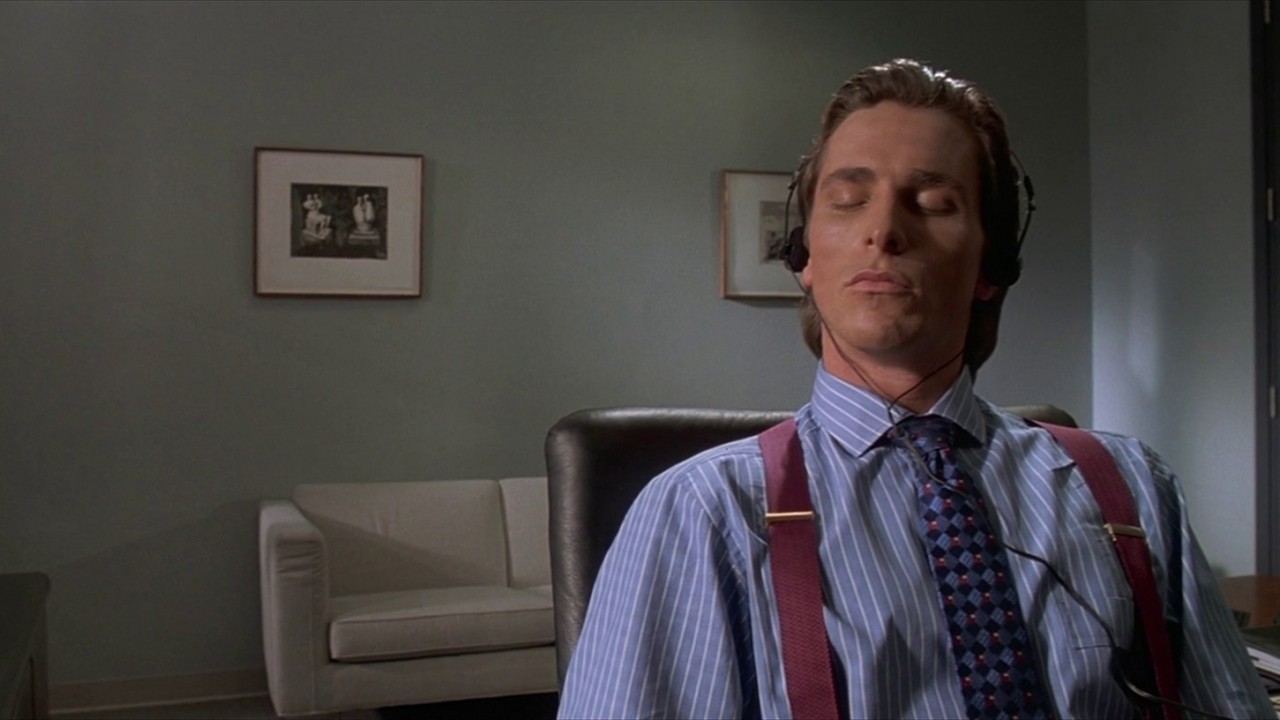 American Psycho. Great example of how a movie can depict the absolute worst human being and make it enjoyable. A tale of hyper-masculine narcissism and sociopathy. Status envy. The recitations of facts, routines, brands and such, all that cataloging reminded me of… Walt Whitman? Bale’s character develops in only one direction, but he gives it his all.
The Book of Strange New Things
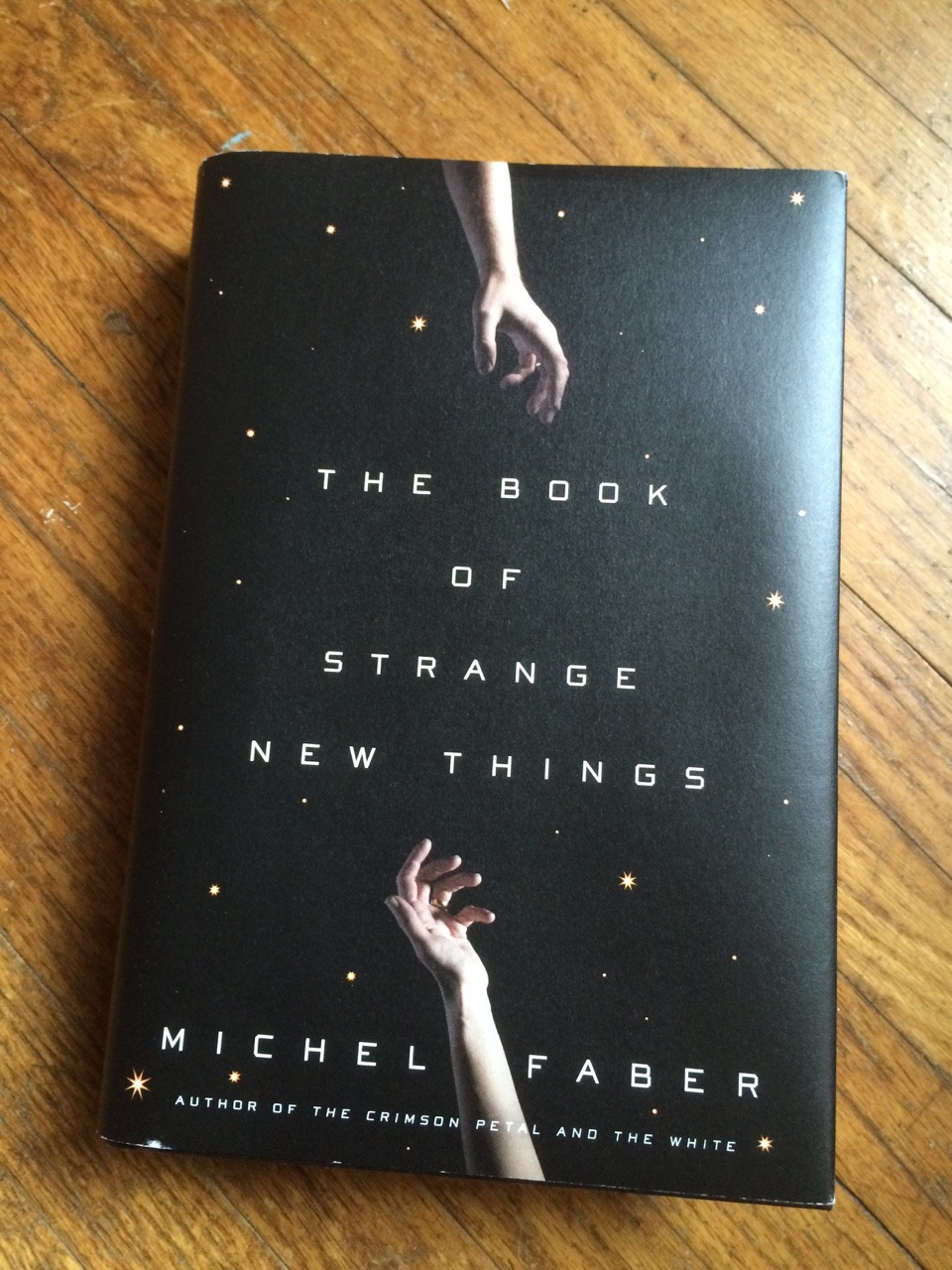 I read a good bit of The Book of Strange New Things, and found a lot of it really good, but didn’t stick with it. The concept – a Christian missionary goes to another planet… and… well, you’ll have to find out. I might, too.
How Friendships Change When You Become an Adult
“The real bittersweet aspect is young adulthood begins with all this time for friendship, and friendship just having this exuberant, profound importance for figuring out who you are and what’s next,” Rawlins says. “And you find at the end of young adulthood, now you don’t have time for the very people who helped you make all these decisions.
Making a masterpiece with Bob Ross and the iPad Pro Pencil
Back to the Future and creative frustration
"Back to the Future" is now all back and no future | MZS | Roger Ebert
The passage of time makes the whole trilogy seem wise and humble, in ways it never could seem in the eighties or nineties or aughts, because the entire thing is really and truly a time capsule—not of any temporal-physical reality, but of a particular strain of American cultural posturing circa 1985-1990. All movies, particularly time-travel movies, have a touch of this. But the “Future” films are different because, unlike the vast majority of time travel stories, they are anchored very strongly in the “present.” The present is not merely a framing device or a launching pad for adventures, as is the case in most time travel films. All visits to the past or future are related to the present – and the stakes are not just personal (Marty’s existence, his parents’ happiness), they are cultural. Marty doesn’t just change his family, he changes the town, and by implication, American life.
"Back to the Future" is now all back and no future | MZS | Roger Ebert
Beautiful Mutants / Swallowing Geography
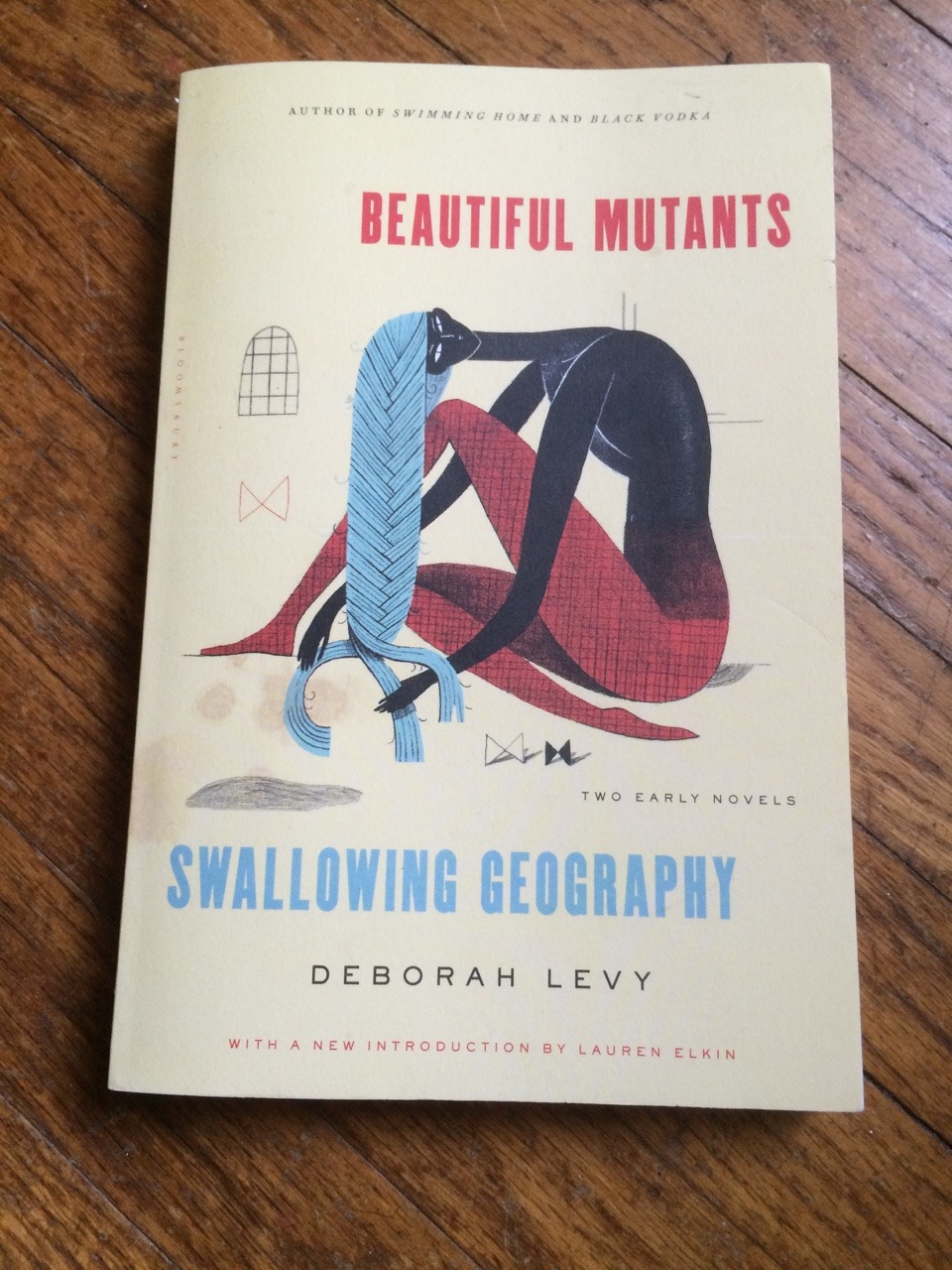 I read some of both halves of Beautiful Mutants and Swallowing Geography: Two Early Novels, and didn’t finish either one. Maybe too rough or biting for me at the time.