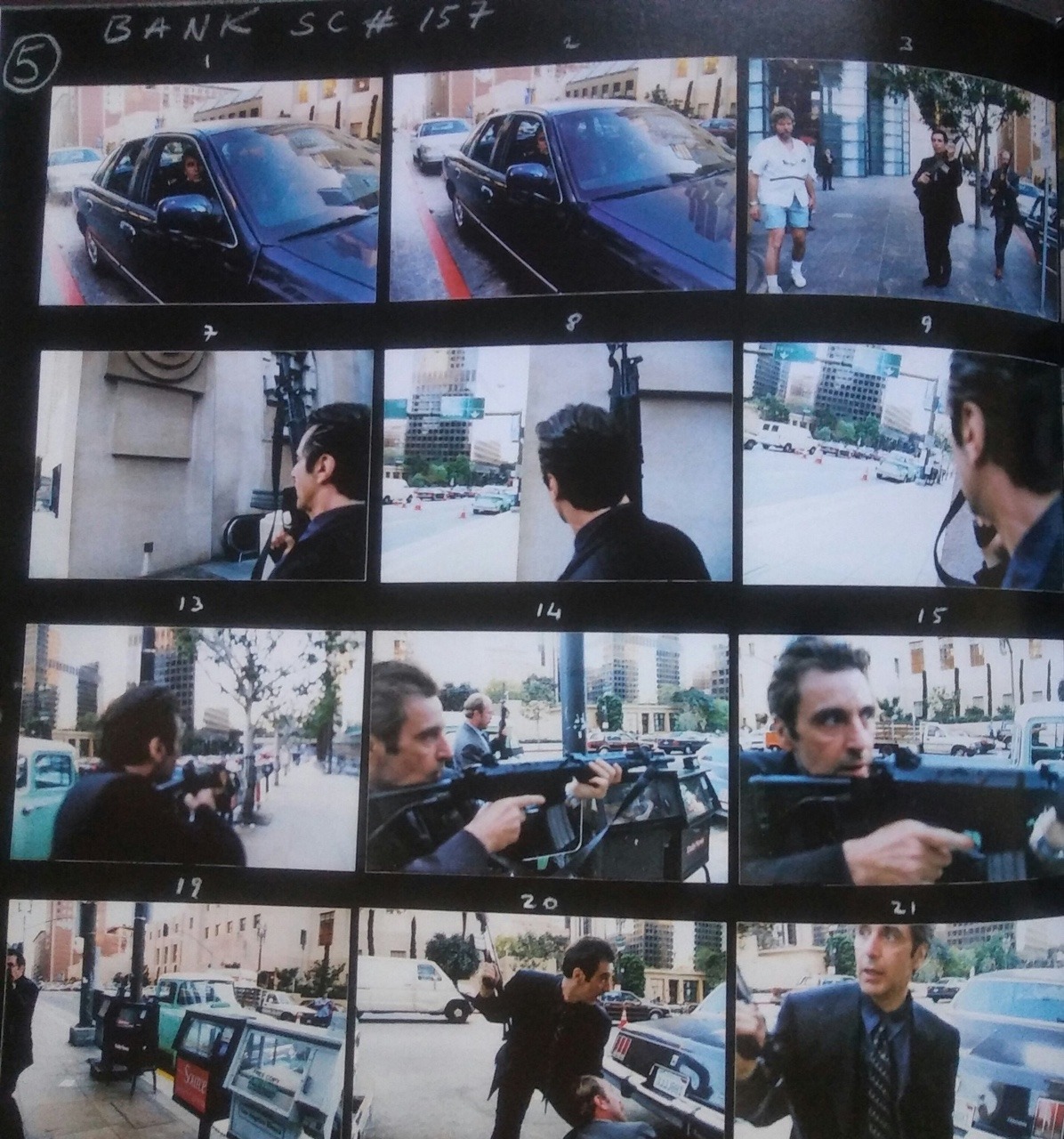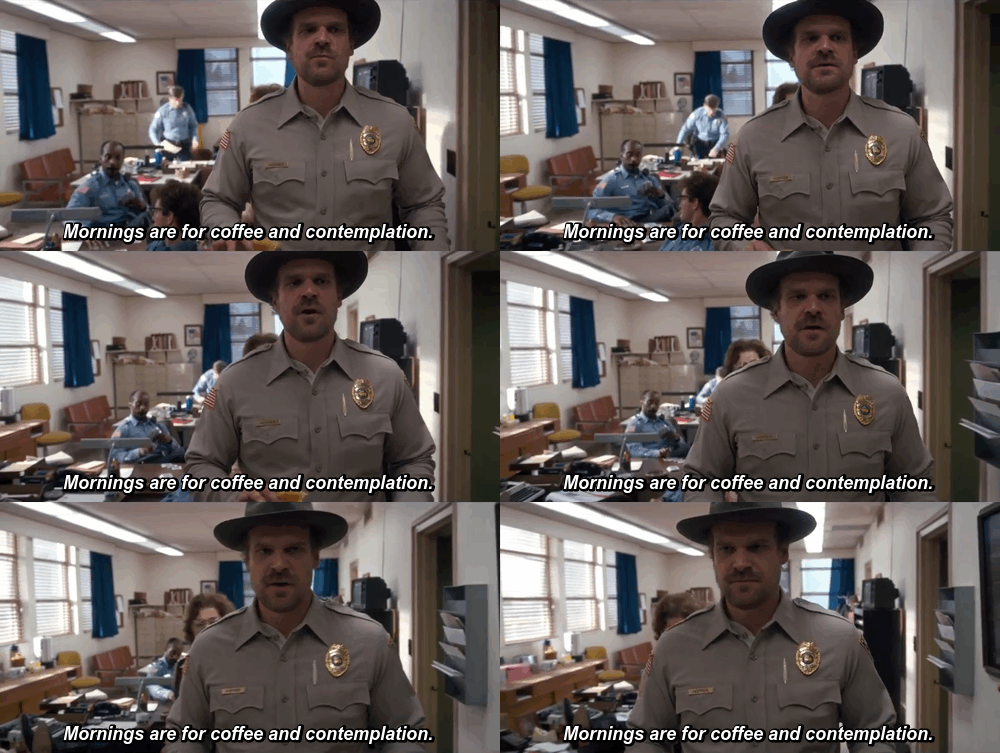
I started watching Stranger Things yesterday, and this moment from s1e1 spoke to me on a deep level. And the soundtrack is pretty rad, too.
I started watching Stranger Things yesterday, and this moment from s1e1 spoke to me on a deep level. And the soundtrack is pretty rad, too.
I had to ask myself, Is this as fast as you can possibly run right now? and when the answer was No, making myself try harder for no other reason than that trying hard matters.
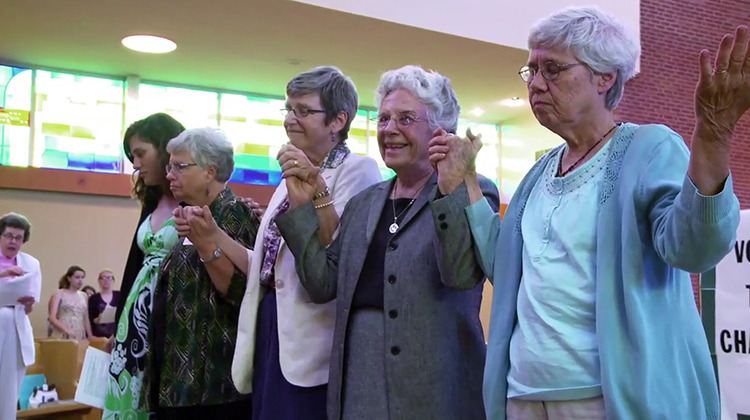 Radical Grace. This was a fun documentary. It tracks a group of feisty nuns and their guerrilla battles with the patriarchy in the Catholic church. They come under a lot of fire for more progressive outspokenness on a variety of issues. The sisters keep alive a sort of old-school community-based hippie evangelist approach. There’s some good droll “those wild women need supervisin’!” humor throughout. The nerve! Favorite line was from Sister Jean Hughes, when she said something like “God is not a man with a beard. God is the impetus for good.”
Twitter puts its users in the uncomfortable position of spectating people’s tirades and honest outpourings of hurt while being almost entirely powerless to respond in a meaningful way.
Is ‘Rage Twitter’ Meaningless, or an Expression of a Deeper Sense of Hurt? – The Extratextual
As TV drama becomes more traditionally novelistic, announcing exactly how long a story is going to take and assuring us that the end of a season will be the End, we can breathe a sigh of relief, because we know that at least one thing we’ve invested our emotions in will set an endpoint and stick to it and let us move on to something else.
This speaks to me. I don’t remember the last show I watched past the third season. I’m sure I’m missing out on many wonderful experiences, but… to each their own. Cf. streaming TV as a new genre.
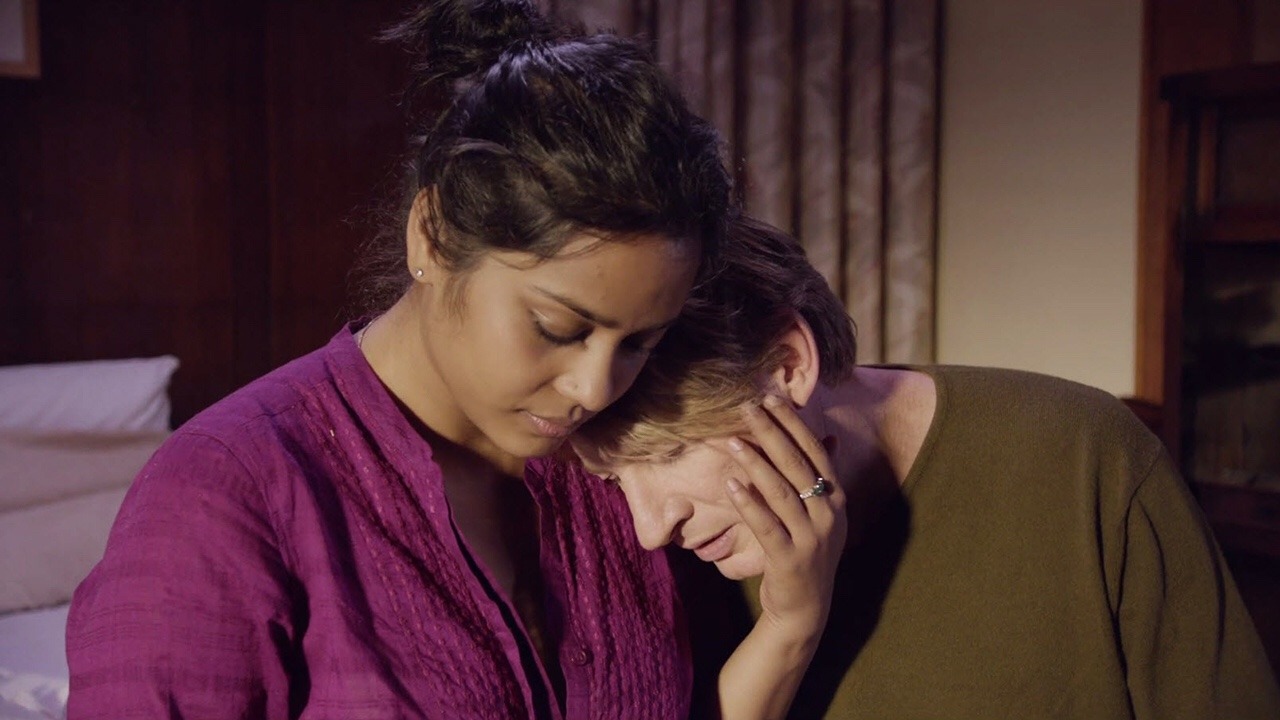 Force of Destiny. In this one a sculptor gets liver cancer and falls in love. One of those sweet gentle ones, very weepy and slow. Every now and it’s intercut with trippy scenes: a heron flying with a stick; the hero with his mother as a child; scenes from Italy travel and boats; a masked ball with people in the hospital. One thing it captures well is that special sort of quite terror and anxiety of waiting in the hospital, surrounded by other people’s grief and afflictions. The autobiographical overtones here made me wonder if it’s self-indulgent, and if that’s bad, and why it matters, and why it bothers me, and what it means that it colors my reaction to the film so much. Also a little bit of a not-too-subtle organ donation promotional, and I’m on board with that. Filed under: Ebertfest.
All of Bourne’s enemies, as well as his potential allies, are colleagues of one kind or another, and his very existence is a horrifying reductio ad absurdum of life on the corporate treadmill.
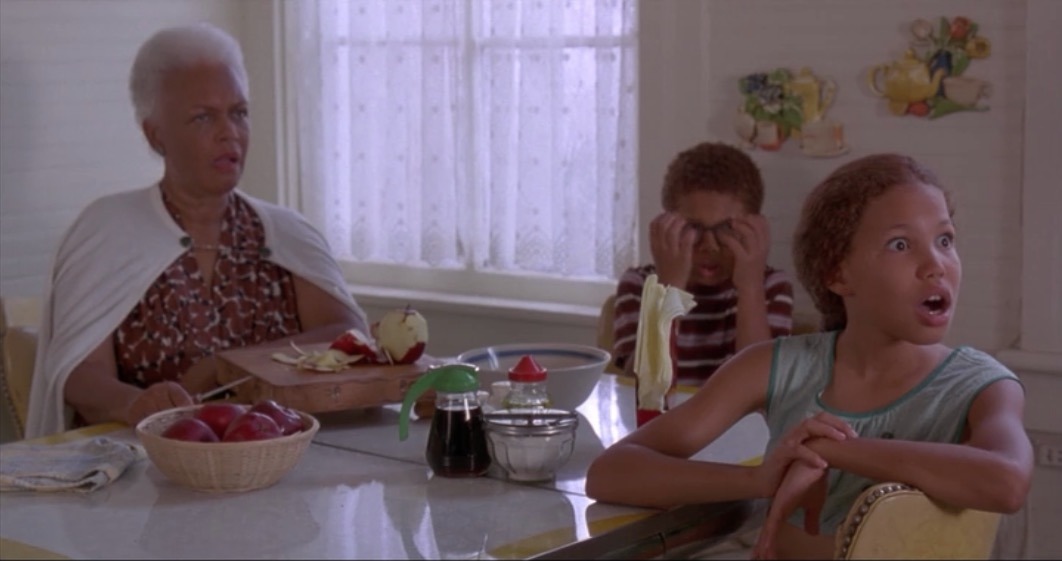 Eve’s Bayou. One of my absolute favorites from Ebertfest. Maybe my favorite, period. Stands out superficially with some impressive child actors, female leads throughout, and no white people. I love how it accumulates little moments. There’s a vibe here I’m not savvy enough to describe other than “very 90s” that’s very… old-fashioned. Full orchestra. Soft film image. Evening glow. It felt like a play at some points, with some of the momentum and delivery in the dialogue, and how the scenes were staged. The scene where Mozelle tells the story of her husband confronting her lover is a little masterpiece. Highly recommended!
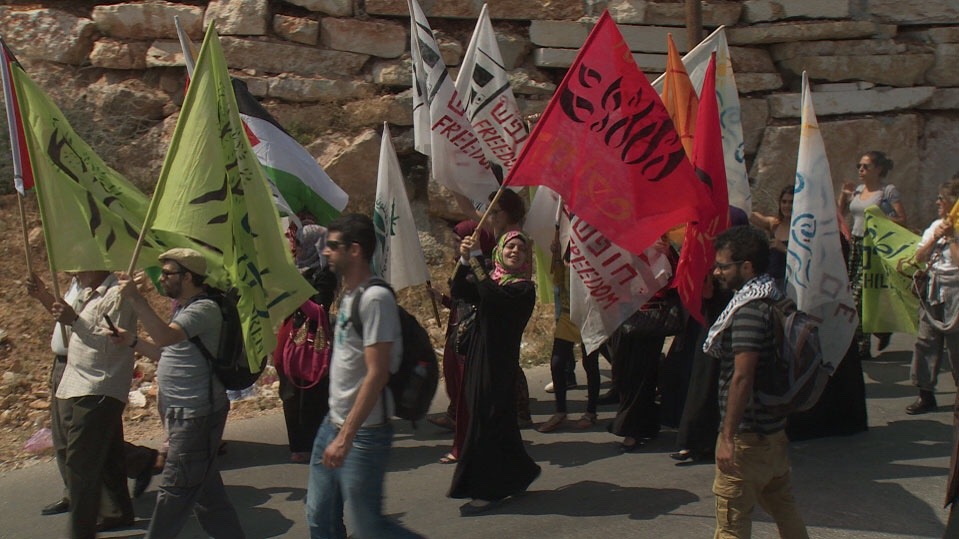 Disturbing the Peace. A documentary about how former militants – Israeli and Palestinian – changed their minds, joined up with the enemy, and started to work for peace. It opens with personal stories of transformation. Confessions of wrongdoing. Stories of victimhood. The moment they decided to do something different than fight the other side. In form, it’s a mix of talking heads, reenactments, news reel footage, and live documenting protests and nonviolent demonstrations. My favorite part was this really great scene between husband and wife. The wife holds a more angry and strident pro-Palestinian stance. She sees the nonviolent, loving approach as a surrender. There’s this awesome parental tension I’d never considered – how do they decide to expose their daughters to that greater world and their perspective, when to introduce them to certain ideas, etc. There’s also the fact that the rest of the populations (Israeli and Palestinian) sometimes aren’t just ambivalent but sometimes strongly anti-nonviolence, strongly against peaceful protest. Gave me a new appreciation, of how hard it is to do protest work when the rest of your community hates what you’re doing… I forget whether this was in the movie or in the post-movie conversation, but I also like the idea that forgiveness is not altruistic. It’s one of the best things you can do for yourself. Filed under: Ebertfest.