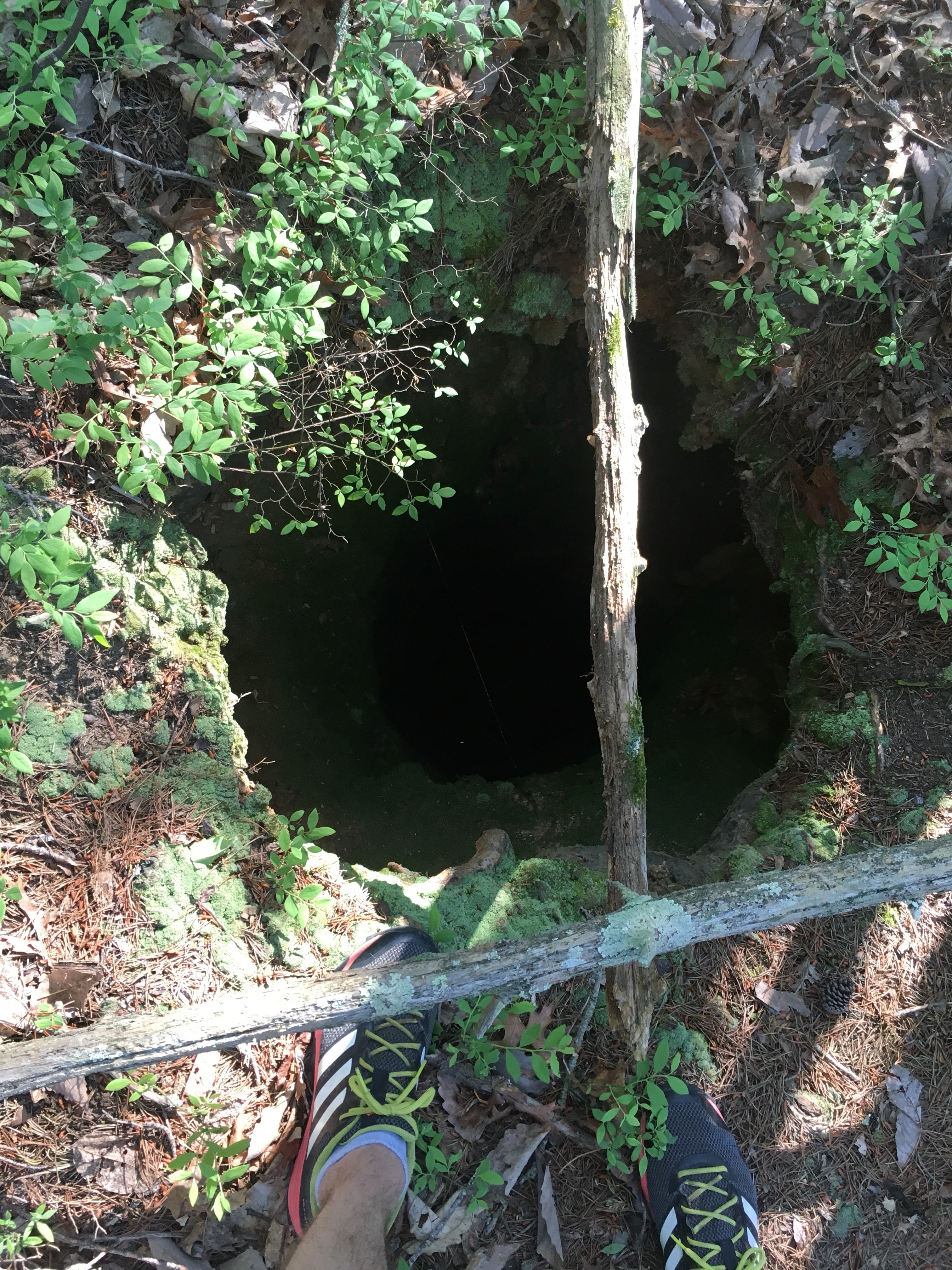
 A while back I went trailrunning with an old friend. We went off trail at one point and cut through the woods toward nowhere in particular, toward wherever we would end up. We came across a hole in the ground. Holes are inherently interesting – something missing, a ready-made mystery, and you can fill them up with whatever stories you want. We hauled up a long branch and eased it down the hole 'til we hit bottom. We marked the spot at surface level and drew it up again, like we were checking the oil. We stretched out on the ground next to the branch to measure it out. Six feet plus five-and-a-half plus, oh, maybe three-and-half. We had ourselves a fifteen foot hole, maybe two feet wide, and no explanation. Didn't need one. We dropped a pine cone down and listened for it to hit bottom. It took a while. I thought about dropping in, just to scare myself a little. I think I could have gotten back out. Pretty sure. Probably. As long as the mossy sides weren't too slick. I wondered what reception was like down there.
Annihilation
 Annihilation. Second viewing (the first). Felt more sluggish and less magical this time, but I don't regret the rewatch.
Angel Heart
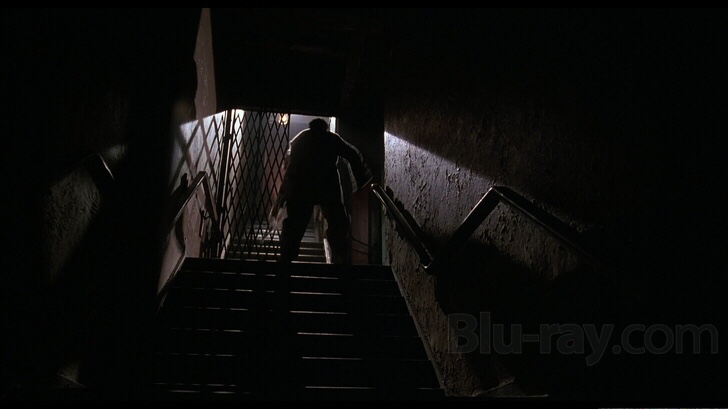 Angel Heart. Love the mood and atmosphere. A nice blend of noir and horror, sort of ambling along as our PI reluctantly goes where the clues take him. Mickey Rourke was super charismatic. Haven't seen much with him aside from the recent stuff (Iron Man 2, The Wrestler, and the small bit in Man on Fire).
Coherence
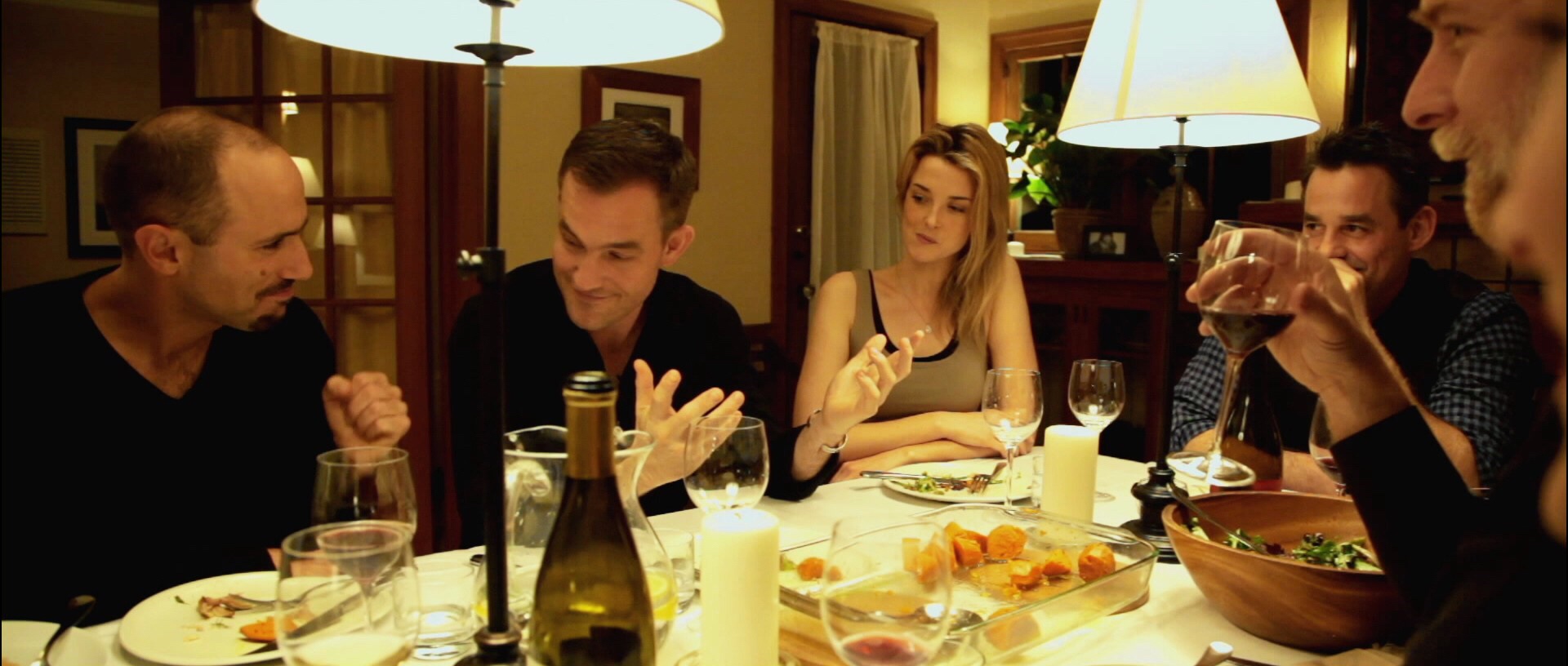 Coherence. Very nice little chamber scifi. I liked it quite a bit. Just put people in a room and give them a problem. Easy. This would pair well with other small-scale scifi like Primer, Upstream Color, The One I Love, or something like The Invitation for stressful dinner-party hijinks.
Allied
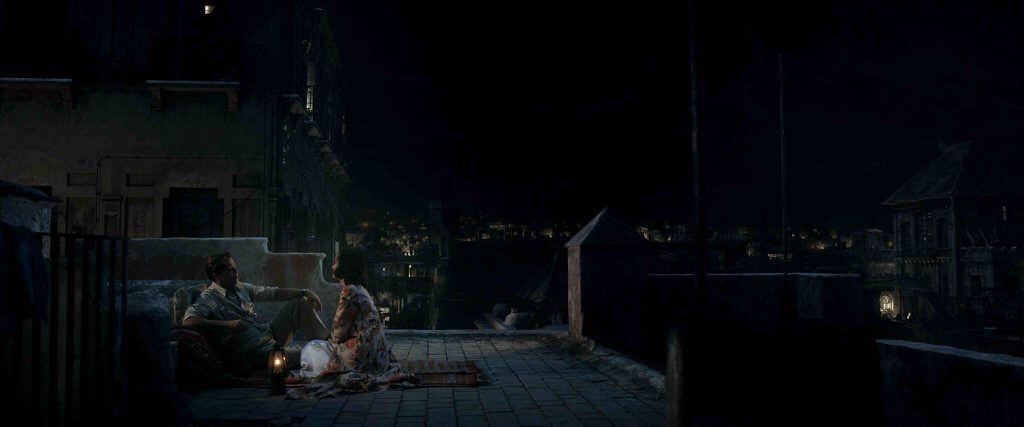 Allied. Second viewing (the first). The seams showed a bit more and the pastiche was more apparent and I liked it more because of it, I think. The too-clean appearance heightens the fairy tale, like memory tends to soften things. Noticed a few fun edits, like the lightning shifting to the lantern on the landing strip, and the beats of the final gunshots at the tank crew matched by the curtains being drawn open. I also liked the parallels with two big decisions happening in cars – once during the sandstorm, again in the rain at the airstrip.
There's More to This World Than You Have Seen
I really liked Ethan Warren's reflections on Punch-Drunk Love. (Bright Wall/Dark Room is one of the best publications going.)
Rush Hour
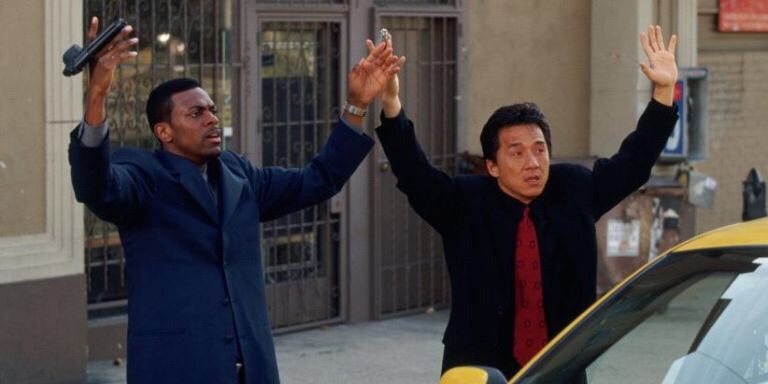 Rush Hour. Lots of it is very fun. It's also of an era where, with 2018 eyes, a lots of it makes me cringed. I miss these action/adventure movies. Low stakes, focus on fun.
Barracuda
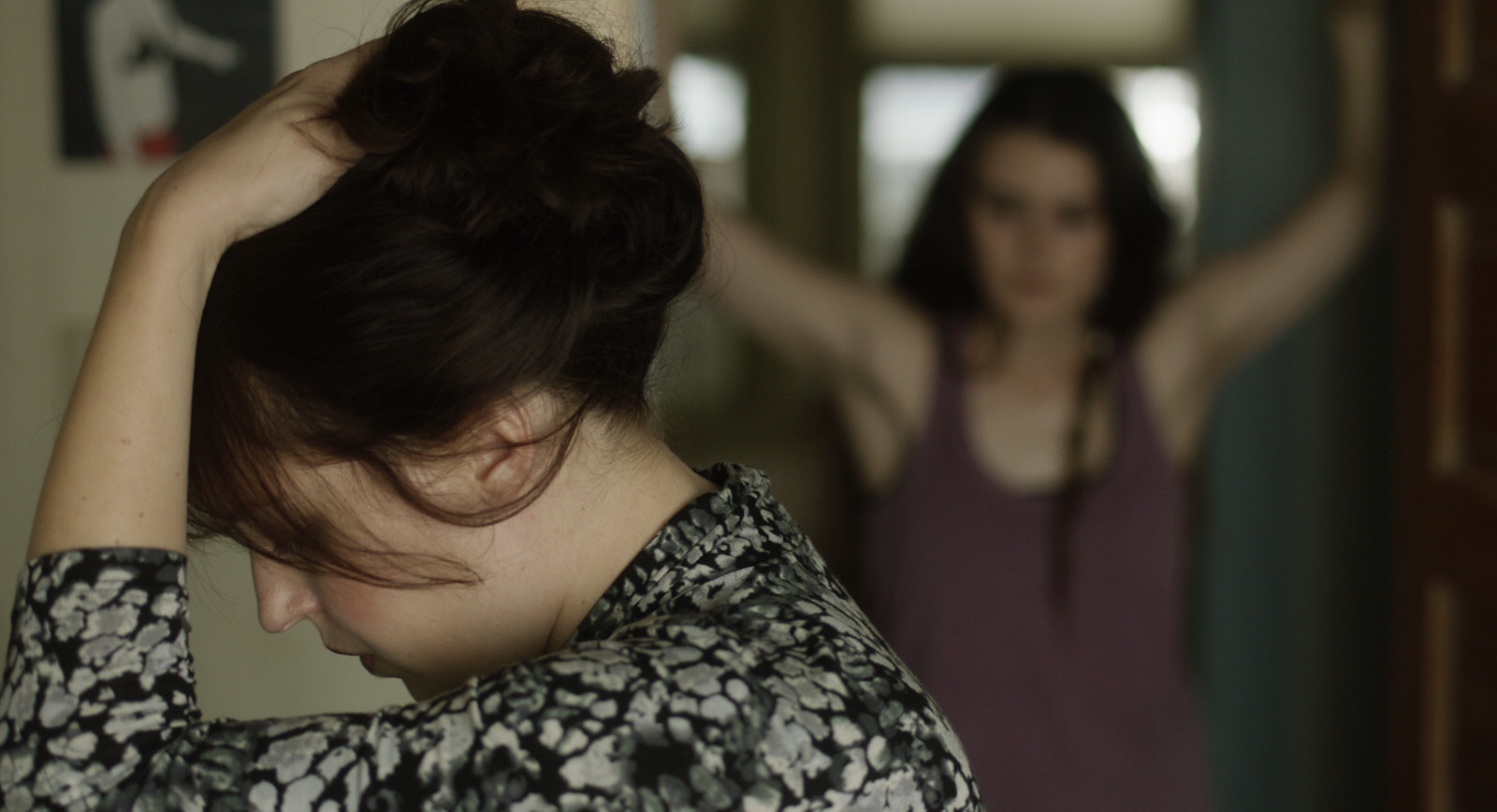 Barracuda. Features one of the most unlikeable yet magnetic characters I've seen in a while. Good fun.
Carrie
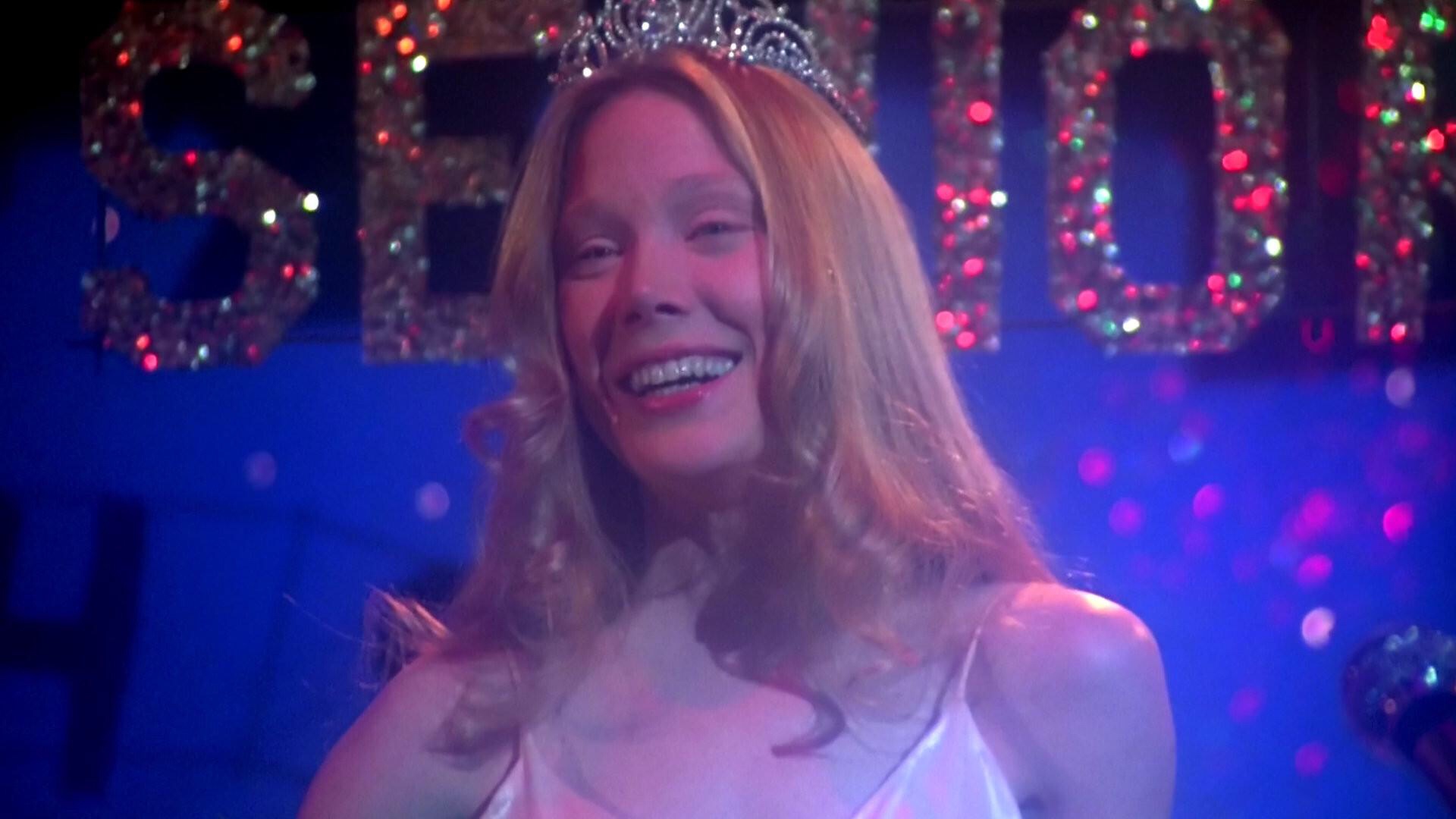 Carrie. Last time I saw this was middle school I think. Long time ago. So sad, wrenching. We remember the mad scene for good reason, but build-up to it at the prom is exquisite.
The Hole Where All the Success Leaks Out
Everything has its own list of classic amateur blunders. [...] Just one of these blunders, made consistently, can undermine almost everything you’re doing right.