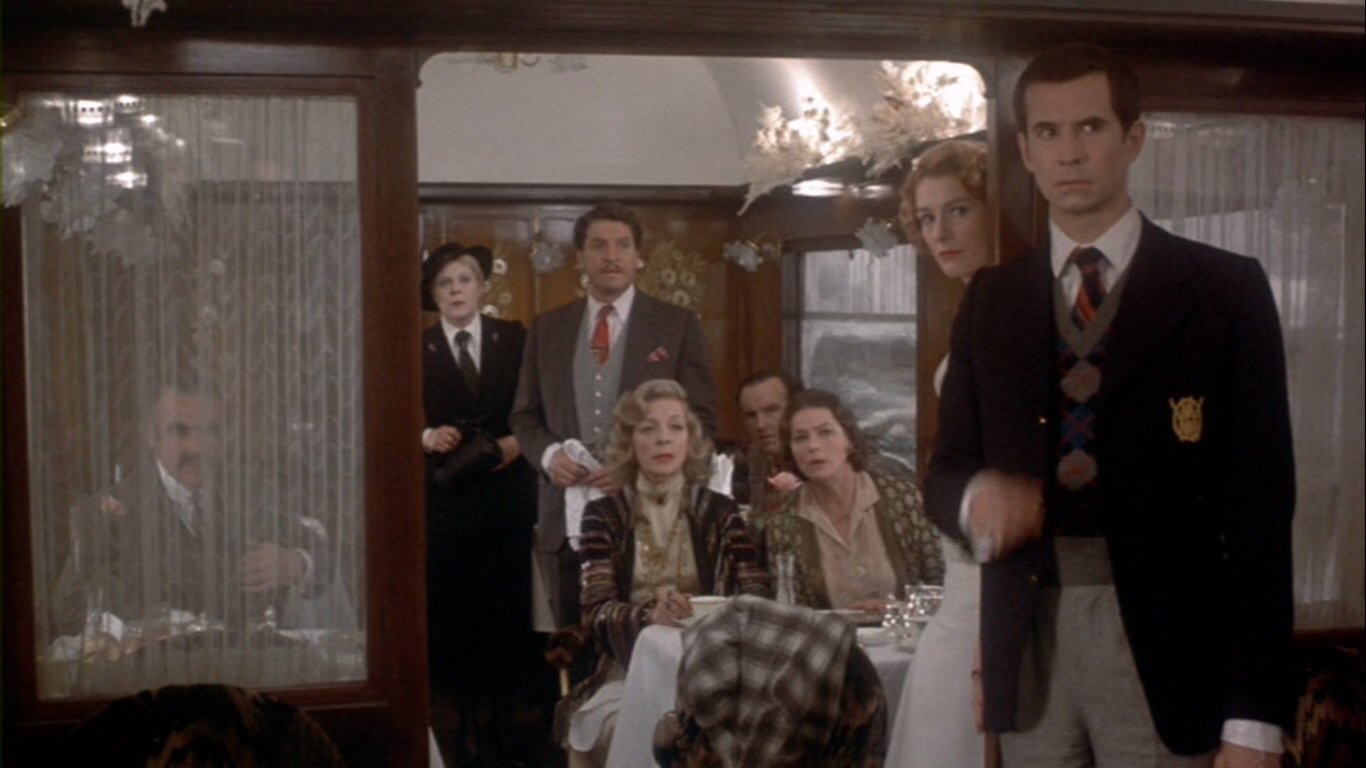
 Murder on the Orient Express. I think my favorite part was the extended opening, gathering up all the players before the journey starts. Mostly entertaining. The final act/resolution seems a bit over-cooked. I wonder if it comes across better in the book, though.
Hours
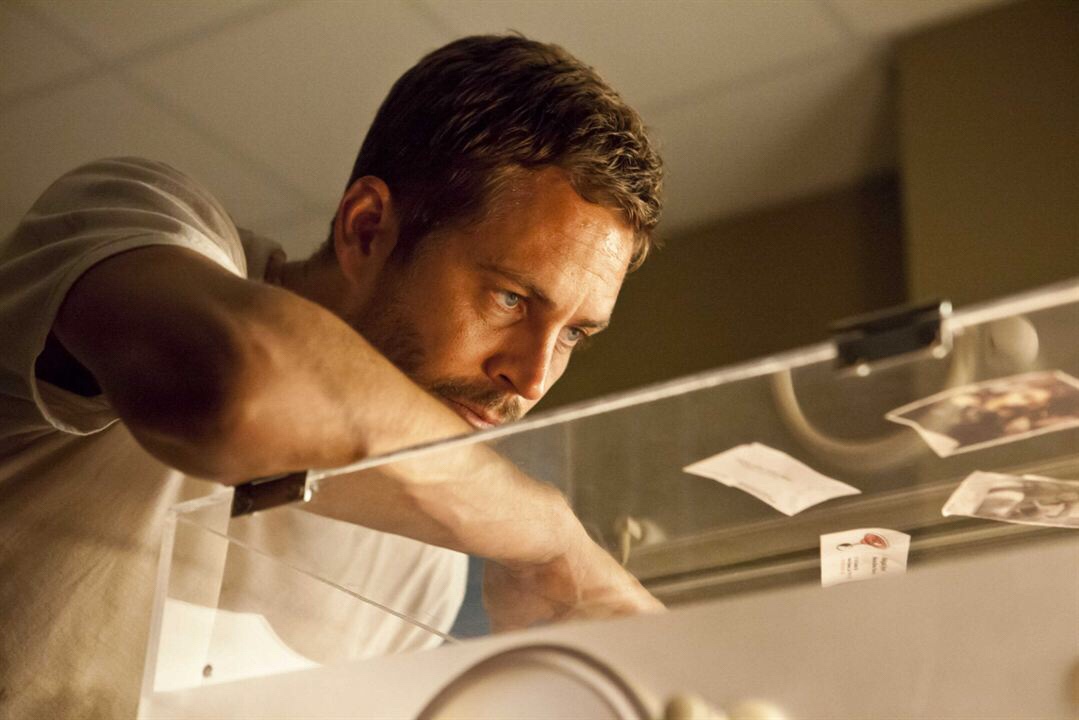 Hours. The parts focused on the central gimmick are tense and focused, as they should be. The rest (long intro and flashbacks) adds some meandering softness that undermines it. Good one-man show, though.
My Visit to the World’s First Gym for Your Face
Self-improvement imperatives always offer the seductive notion of untapped potential: it’s a bummer to feel like you have to change, but a thrill, sometimes, to imagine that you can. The trouble is that there is no feasible end to this process.
And this, too:
Today, young female professionals have an unprecedented amount of economic and social capital; at the same time, our adulthood has been defined by constant visual self-surveillance, a market-friendly feminism that favors any female acquisitive behavior, and an overwhelming redirection of anxiety into the “wellness” space.
You don’t have to attend every argument you are invited to
You don’t have to attend every argument you are invited to.
Uptown Girls
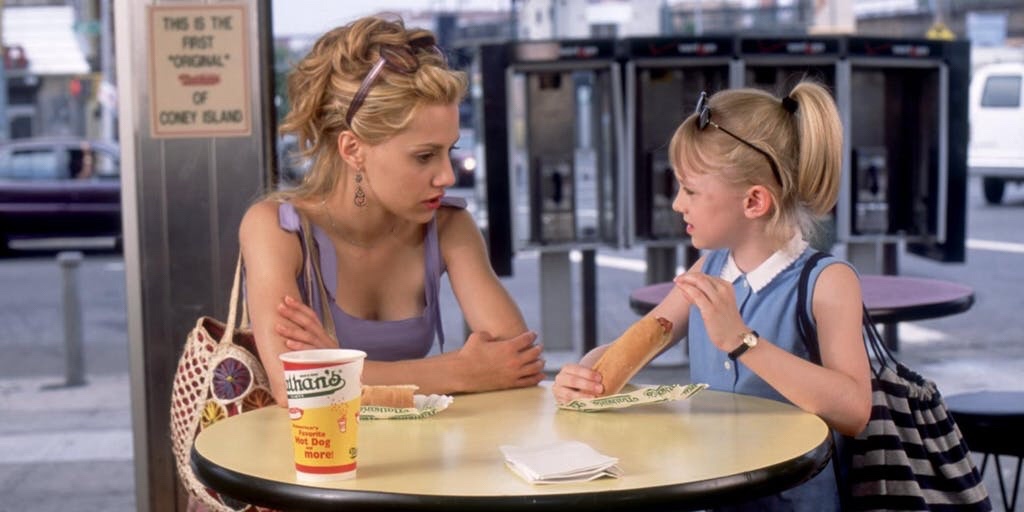 Uptown Girls. It's not great but I love that it makes the effort to be better than it strictly needs to be to get the job done. Like the high-energy opening setpiece, around the room and out the building to grab a taxi. Small touches like the quick cut when looking at the mirror in horror; the Road Runner cartoon playing during the break-up scene; the use of mirrors and blocking during the ballet practice; the cuts between street fights; the train reaction shot transitioning to Coney Island; the spin of the teacup echoing the spin at the beginning of the movie. It all adds up. Brittany Murphy is completely charming.
Source Code
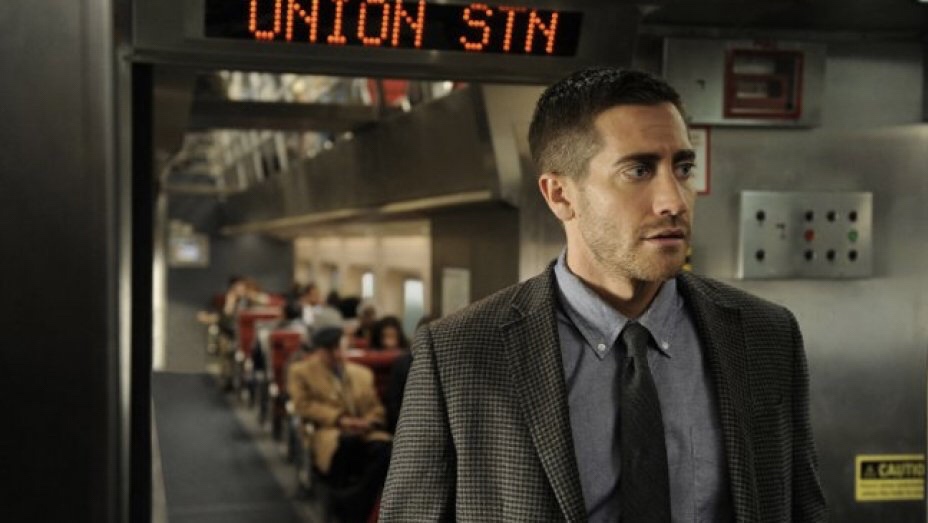 Source Code. It's good clean fun!
Letter of Recommendation: Airport Layovers
I loved this essay on layovers. Airports are usually incredibly relaxing for me:
All sorts of big questions wait on the other side of the gate. Will Bill still love you when you get home? Will you make it out there at college? Will Morocco be everything you’ve always dreamed of? But you don’t have to answer questions like that during a layover. You can’t: The whole point is that they have to wait. You have been granted a reprieve — a chance to consider life as it was before it goes away, or as it might be when it arrives.
See also: Let's fly.
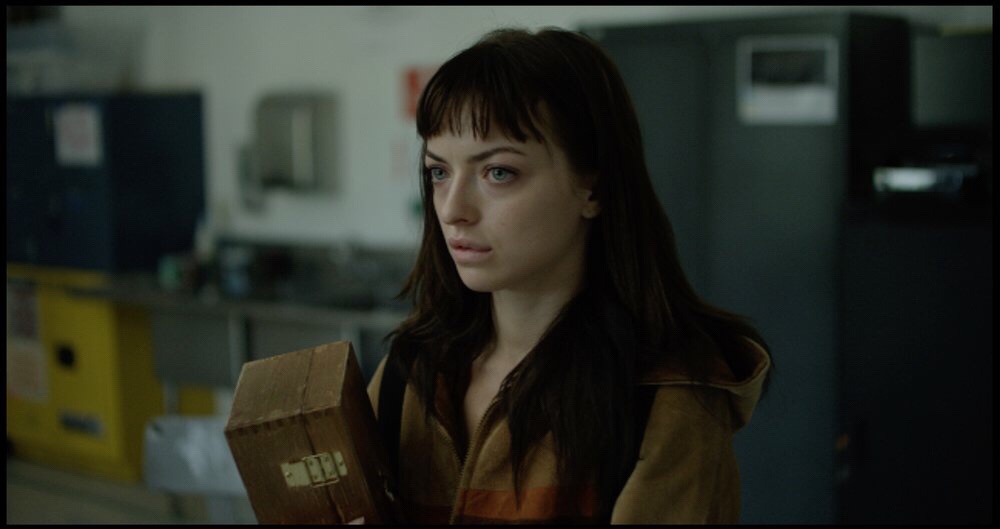
M.F.A.
The Little Things Matter: A Microeconomic Travel Guide
How are the sidewalks? [...] What kind of pollution?
Revenge
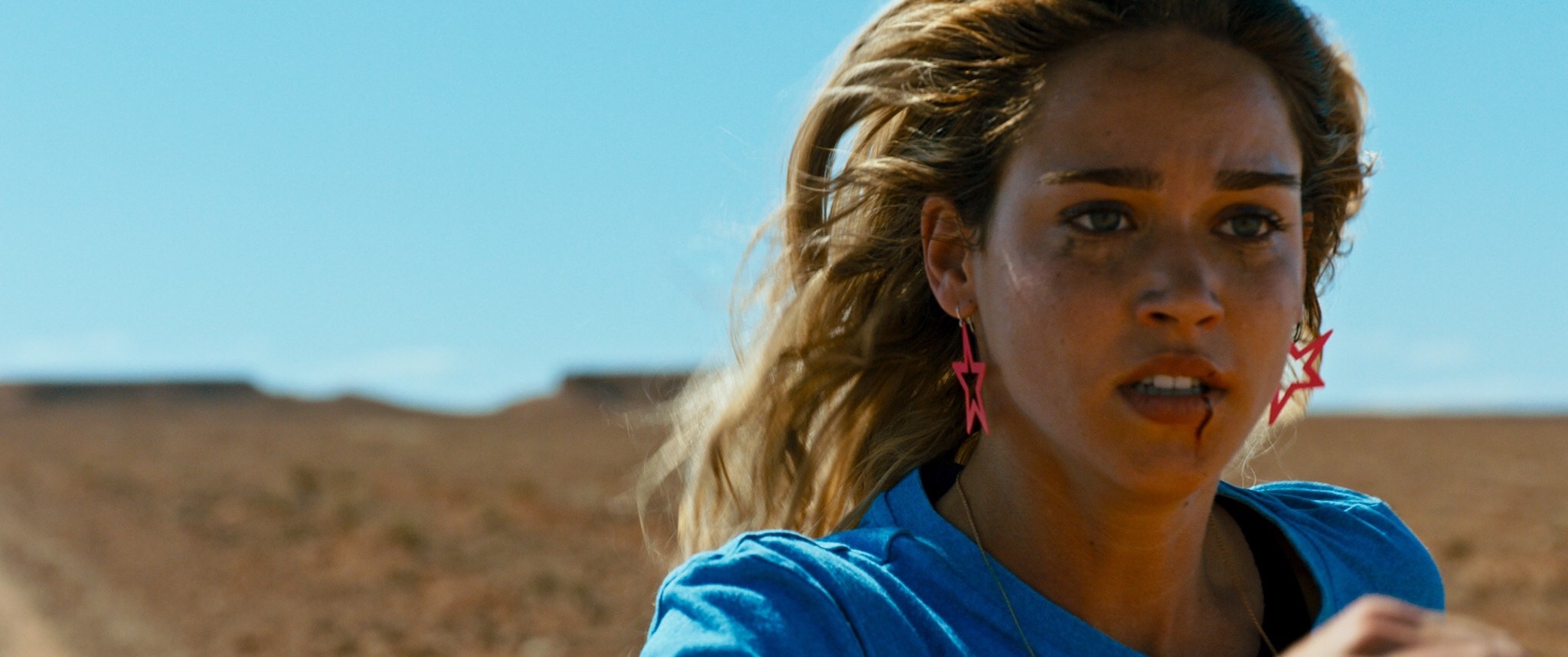 Revenge. Really liked it. Take some pulpy Kill Bill and cross it with high-contrast Spring Breakers and The Guest-like creepiness and soundtrack. Thematically heavy-handed sometimes, with the fruit and the bugs and the beer cans and tattoos. Contrast the male gaze at the opening with the appreciatigve gaze after the cave scene – one of awe, of power rather than lust. And that leads into one of my favorite shots in a while, with her riding the ATV through the desert with that earring gleaming. Maybe file this one under loincloth chase films?