It’s hard to overemphasize the passivity of tubing. It is sloth ingeniously disguised as adventure. Though you are outside, you may as well be in your living room watching television.
Filed under: the South. Dixie Zen :: Oxford American
It’s hard to overemphasize the passivity of tubing. It is sloth ingeniously disguised as adventure. Though you are outside, you may as well be in your living room watching television.
Filed under: the South. Dixie Zen :: Oxford American
I don’t go for nostalgia. I try not to. It’s so easy to sentimentalize the good old days, but I don’t ever do that. I’m aware that things have changed, but I try not to go there. It’s very easy, and you get sort of a mental diabetes.
I also liked this:
If you do enough reporting, then you don’t have to gush about the emerald field, the white streak of the ball, and that.
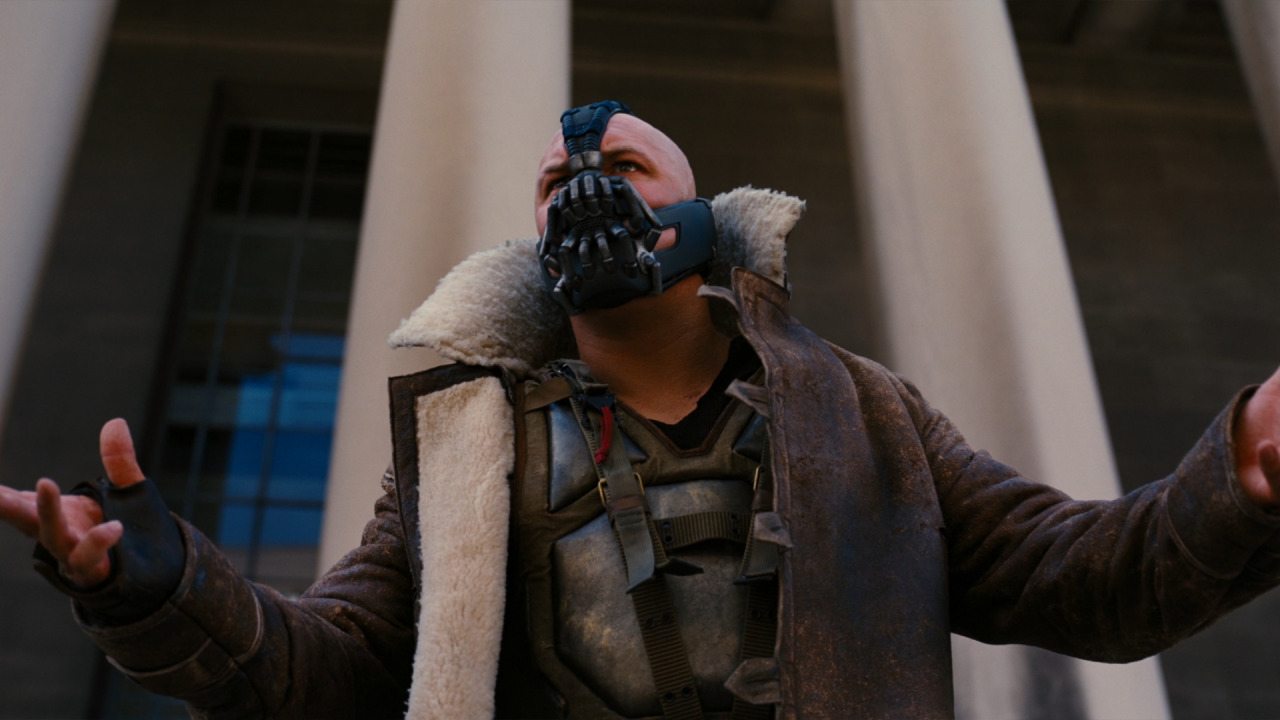 The Dark Knight Rises. I enjoyed it this time around more than the first time I watched it. Still uneven and exasperating at times.
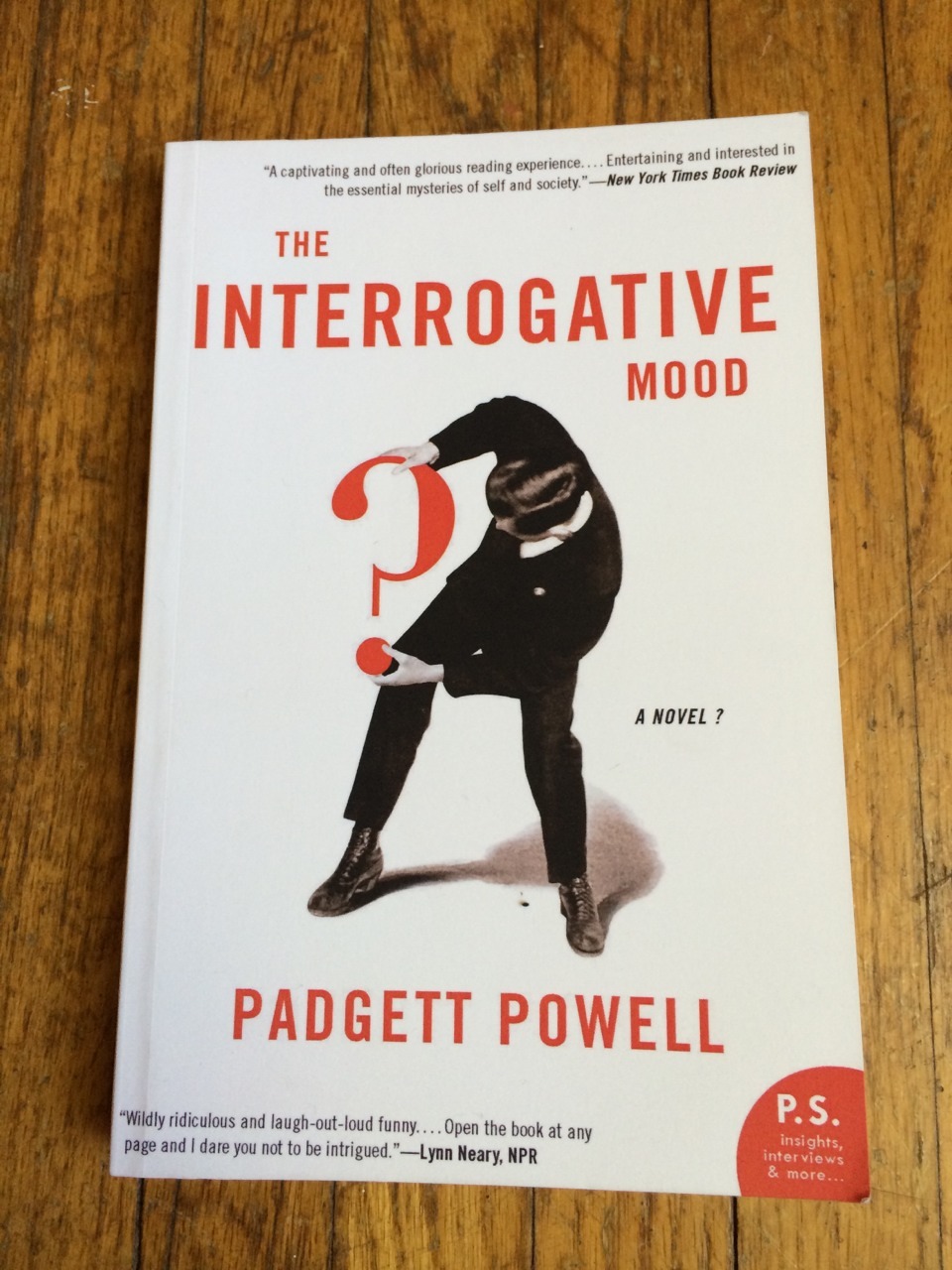 I read Padgett Powell’s The Interrogative Mood: A Novel?, which is one-of-a-kind. Easy to pick up and chew a few lines at a time, or just surf along the steady waves of questions. Here’s an idea of what you’re in for:
Is there enough time left? Does it matter that I did not specify for what? Was there ever enough time? Does the notion of “enough time” actually make any sense?
Or maybe this:
Have you ever watched bats come out of a wall? How the soft, friendly things keep pouring silently out of the brick? How they have focus, and mission, and you do not?
Not the most representative sample, but I’m not sure there is one. Good stuff. Thanks to Austin Kleon for the glowing recommendation.
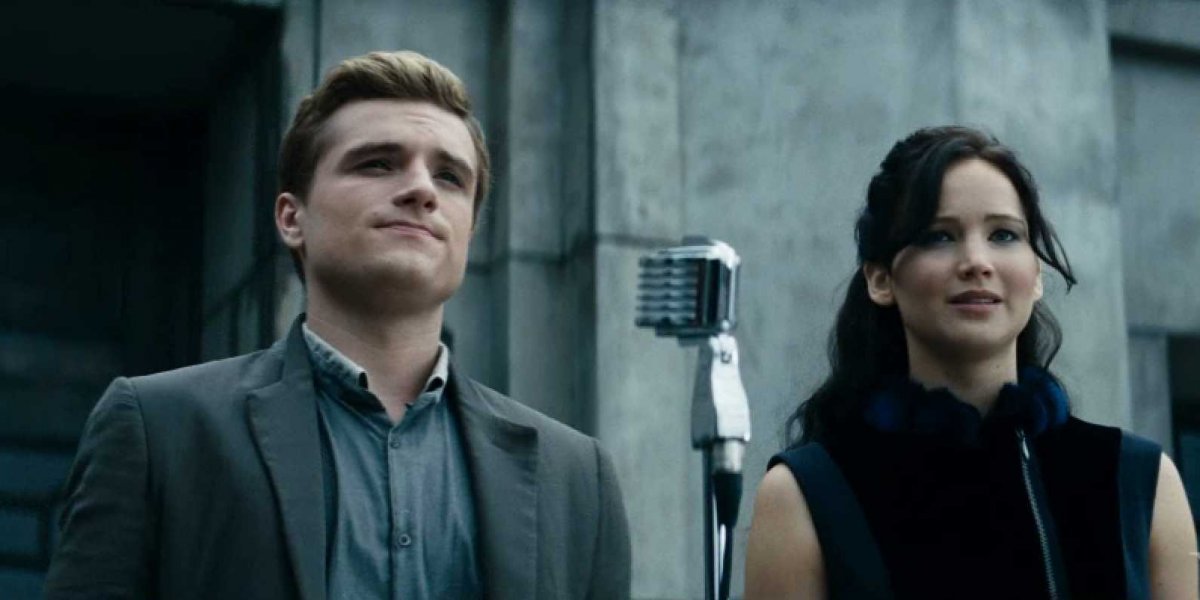 The Hunger Games: Catching Fire. I like the world they created, but felt like this one kind of ran out of steam. I take it as a good sign, though, that the games were the least interesting part.
Essentially, “So…” is the universal shorthand for, “I’ve given this a lot more thought than you have and will now proceed to refocus the conversation in a way that interests me and highlights my personal file card on this particular topic.”
My buddy Will Evans is starting a publishing house called Deep Vellum, and I’m so stoked. And now I remember one of the classic economic arguments for reading works in translation…
Tyler Cowen, the economist, advises readers to “snap up foreign fiction translated into English, if only because the selection pressures are so severe”: in order for a publisher to think a work of fiction worth the risk of translating and promoting to a foreign audience, its quality has on average to be higher than the average for homegrown work.
Or, as Colin Marshall puts it: “Snag the stuff that had to see hell to get to to you, no matter where you may be.”
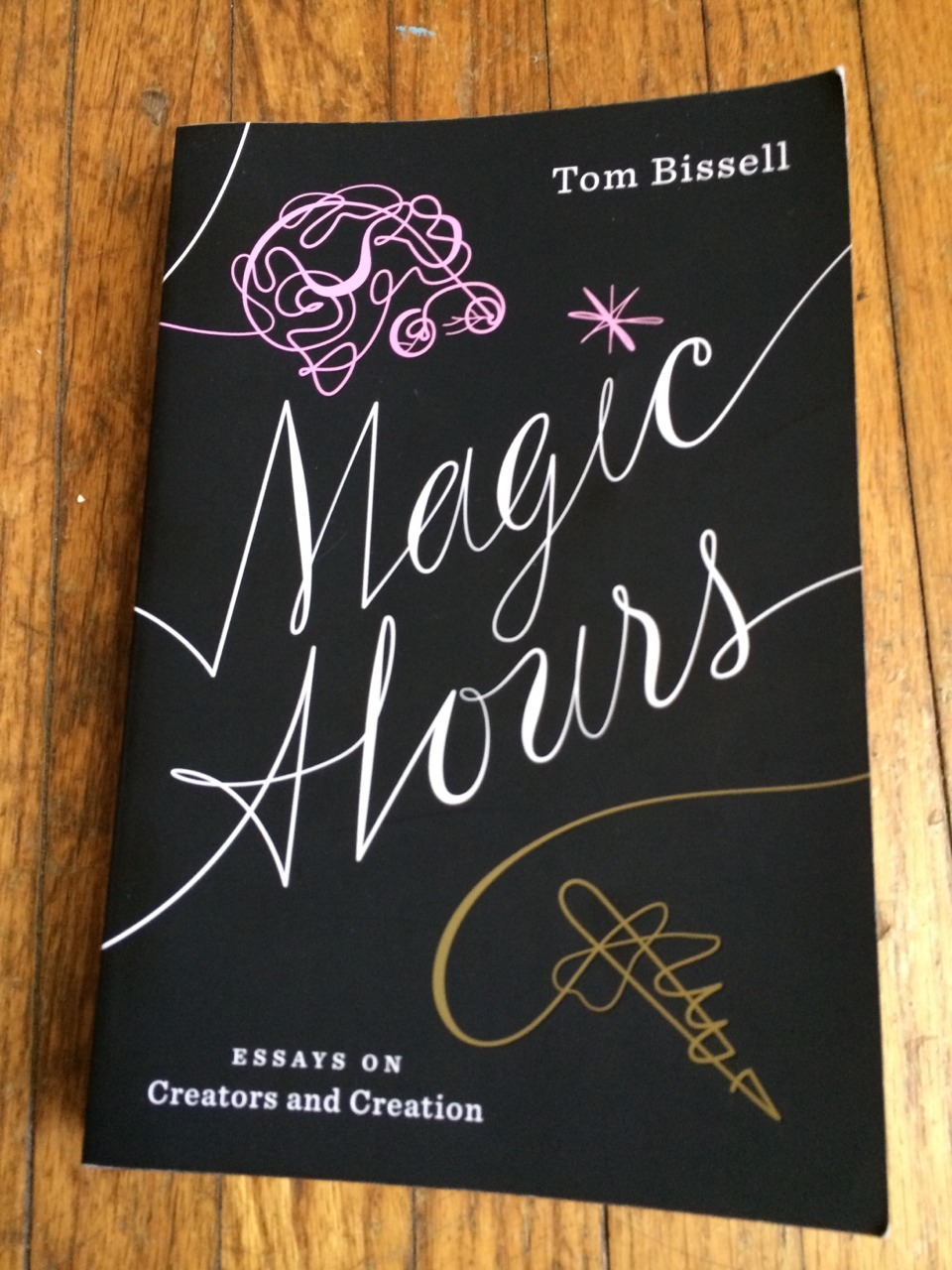 I read Tom Bissell’s Magic Hours, a good collection of nonfiction. Just gonna pull out a few parts I really liked. On small towns:
In a small town, success is the simplest arithmetic there is. To achieve it, you leave – then subsequently bore your new big-city friends with accounts of your narrow escape.
Thinking about Stories We Tell last night reminded me of this, on documentaries:
Explanatory impotence is not unique to the documentary but in some ways is abetted by the form. Inimitably vivid yet brutally compressed, documentaries often treasure image over information, proffer complications instead of conclusions, and touch on rather than explore. When a documentary film […] charts the mysteries of human behavior, an inconclusive effect can be electrifying.
Along the same lines, later, on nonfiction…
In the end, great nonfiction writing does not necessarily require any accuracy greater than that of an honest and vividly rendered confusion.
Overall, I enjoyed most of it, but not nearly as much as I liked his more focused, and somewhat more personal book Extra Lives.
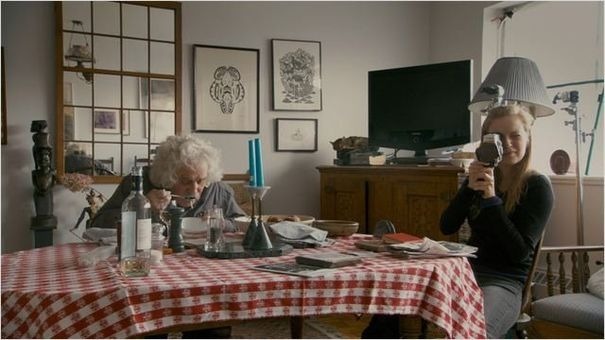 Stories We Tell. Such an amazing movie. Great blend of the real and the invented, as memory is wont to be.
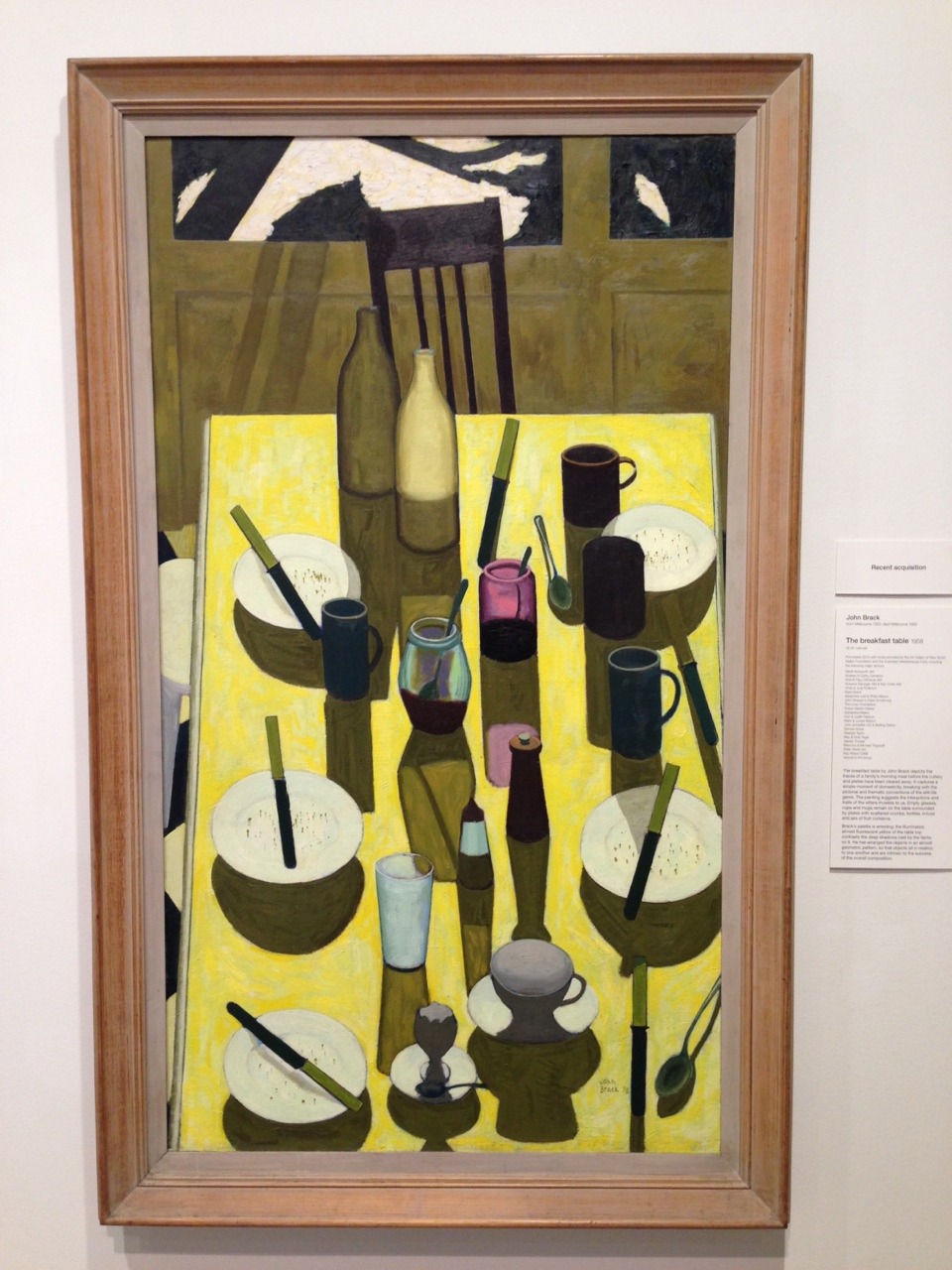
The breakfast table by John Brack. I took a bunch of photos of the art at the Art Gallery of New South Wales, but I think this was my favorite.