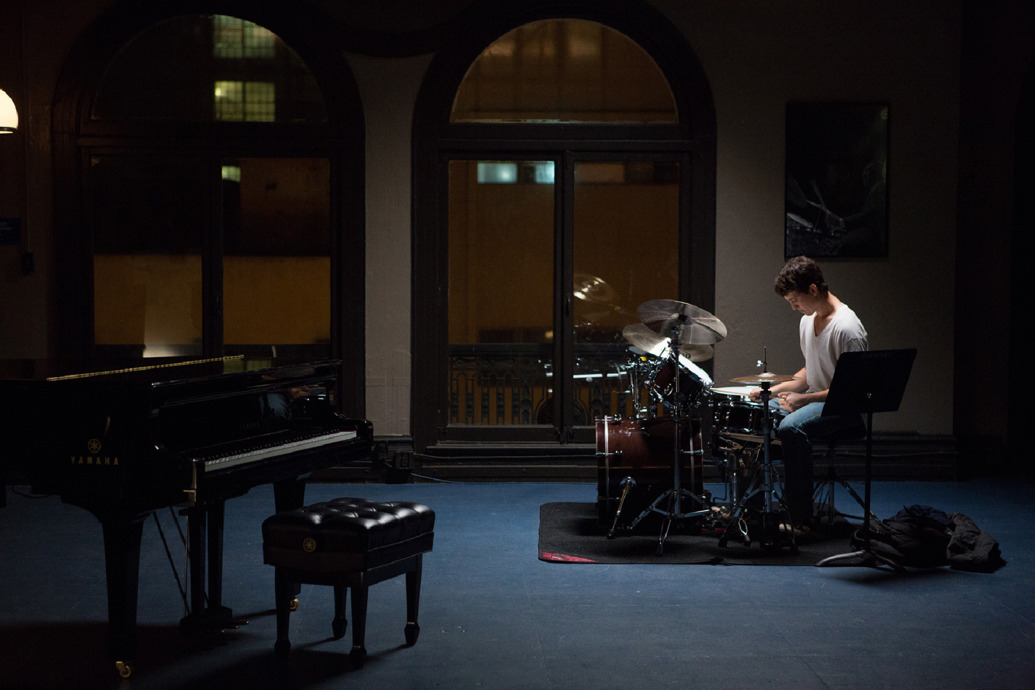
 Whiplash. Fixation and obsession. Somewhat promotes the myth of the tortured artist who must be pushed to self- and other-destructive extremes. If you’ve ever felt that sinking feeling when you become the focus of attention in band class, you can relate to this movie. Good momentum through most of it – take some of that Birdman-esque groove with more big band pop and sizzle. Love the way they did the cuts and shifts. Kind of criminal that they ignored half of the drumset, though. Seriously, all that wonderful energy and no footwork at all? It’s really too bad. Simmons is not jk in this movie. He’s awesome. A weakness is that Teller isn’t his equal. Still fun, though. Another movie that features a horrifying coach/mentor: Foxcatcher.
Inherent Vice
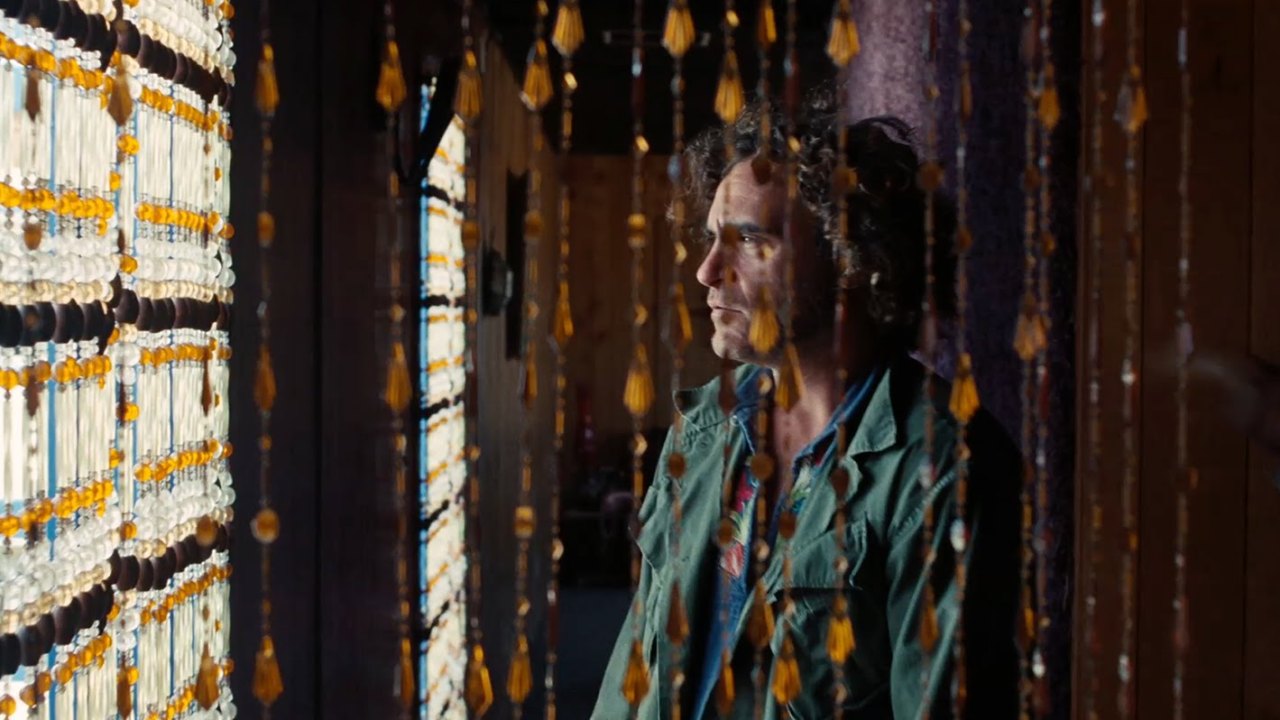 Inherent Vice. It’s a fun ride. I didn’t understand it completely while it was happening, but didn’t particularly care about that. Then again, I don’t feel interested in understanding, either. I’d be curious to see Paul Thomas Anderson go back to material that’s not so sprawling. I’m more likely re-watch any of his other movies before this one. Speaking of, I think I’d rank them…
- The Master
- Hard Eight
- There Will Be Blood
- Boogie Nights
- Magnolia
- Inherent Vice
…or something along those lines.
When once isn’t enough
To me, the threshold for repeat viewings is this: The first viewing must beckon you back for a second. It’s not enough to feel like you’d missed something the first time […] but you have to like the film and feel compelled to return, like an itch that needs scratching.
Selma
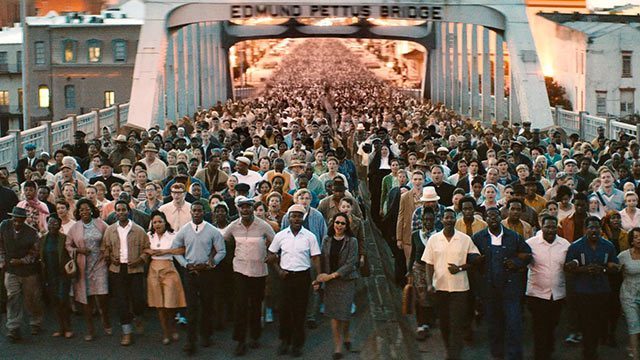 Selma. Amazing stuff. Mad respect for movies that take inherently interesting subjects, and then actually measure up. Not just summarizing the events, but giving them dramatic weight. Not just telling what their goal is, but something of their emotional life. (cough) One particularly refreshing thing in this movie: seeing religion treated as a source of solace and comfort. Another thing that struck me about both is the “period” look. Selma a bit sepia and has this constant lens distortion at the edge of the frame (you can see it in the still above). I saw The Imitation Game the day before, and noticed its own “historic” palette is desaturated, but with some hues just exploding, like they were manually re-tinted black-and-whites. In both cases the movies resemble some extant photographs from those times. Which is a bit odd. Like, the world itself wasn’t sepia or desaturated back then. Just got me thinking of whether that “period look” that helps transport us back in the storytelling could also over-distance us from the events and the people. Hems them in, keeps them at arms length, makes it easier to see and forget when we need to remember.
The Devotion Leap - NYTimes.com
If they’re going to be open to a real relationship, they have to stop asking where this person rates in comparison to others and start asking, can we lower the boundaries between self and self.
Blackhat
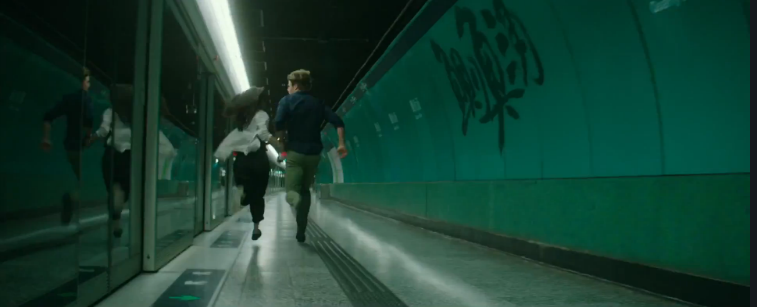 Blackhat. I really liked it, if my tweet binge is any indication. If you like Michael Mannerisms, you probably will, too. I like how the hacking here wasn’t just people tapping away at a keyboard, but also more general deceptive/intrusive behaviors like social engineering and burglary, and how technology is subverted for purposes good and bad. (Note how our hero goes into final battle with improvised body armor and weapons that reflect prison ingenuity.) I love that the big battle scenes have some geographical/tactical brains behind them, and the hand-to-hand fights are swiftly decided. It’s a movie willing to let its stars lounge in bed, or enjoy a nice view, and get you inside their head a bit. Filed under: Michael Mann
The Imitation Game
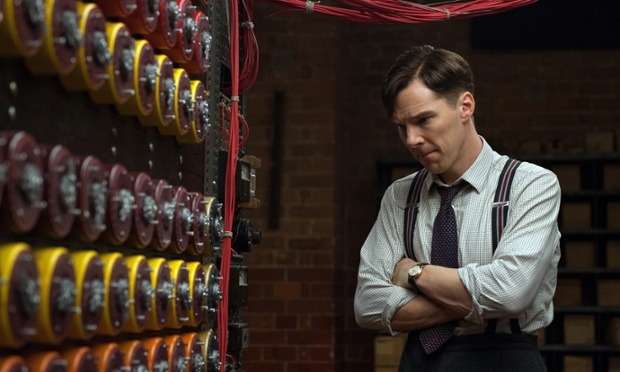 The Imitation Game. Some good material here, but pretty instantly forgettable. So much left at surface level, it seemed. And they weren’t really lacking for time. Blah.
Three generations of Martin Luther King Jr.’s family
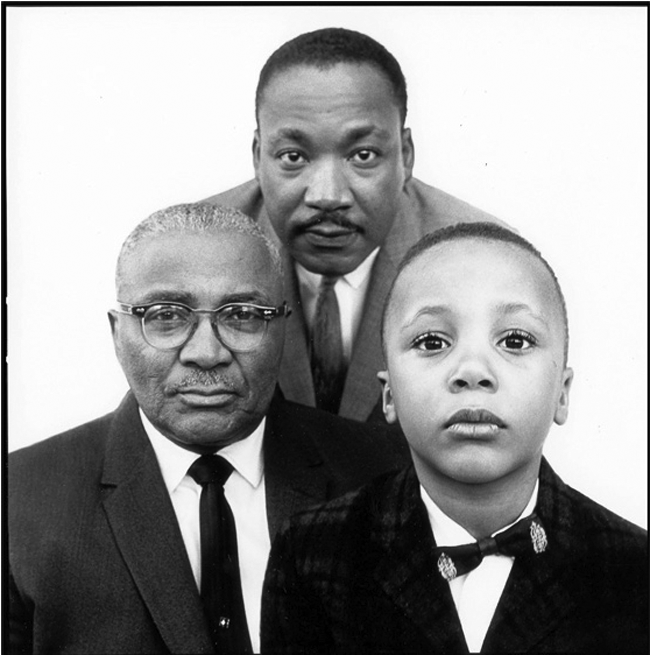
Three Generations
Martin Luther King Jr. with his father and son. Photo taken in 1963 by Richard Avedon.
(via Voxsartoria)
Boogie Nights
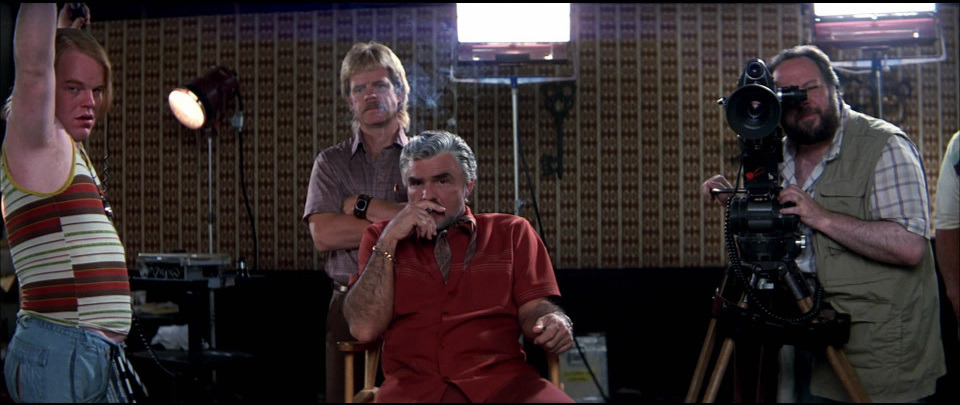 Boogie Nights. It’s not my movie, but it’s a great movie.
An Old Fogey’s Analysis of a Teenager’s View on Social Media — The Message — Medium
We’ve been down this path before. Andrew is not the first teen to speak as an “actual” teen and have his story picked up. Every few years, a (typically white male) teen with an interest in technology writes about technology among his peers on a popular tech platform and gets traction. Tons of conferences host teen panels, usually drawing on privileged teens in the community or related to the organizers. I’m not bothered by these teens’ comments; I’m bothered by the way they are interpreted and treated by the tech press and the digerati.
An Old Fogey’s Analysis of a Teenager’s View on Social Media — The Message — Medium