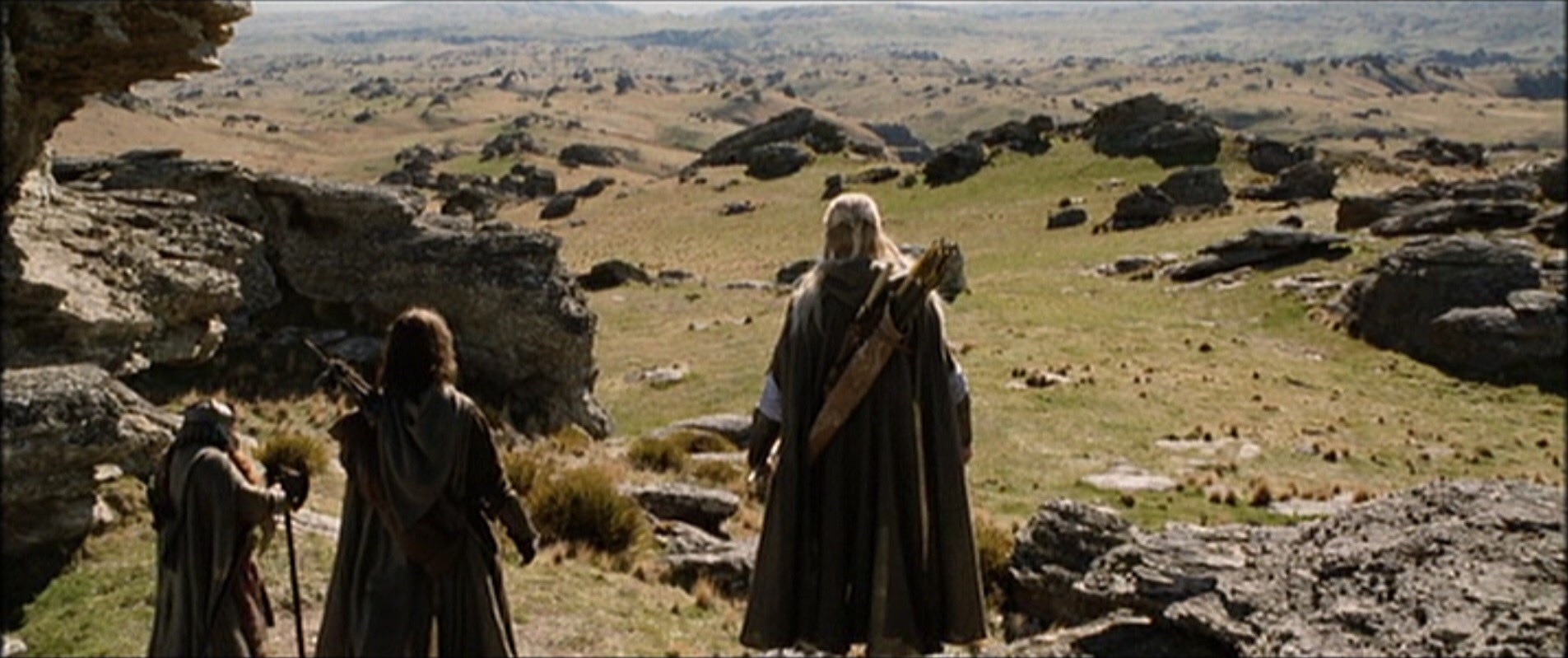
 The Lord of the Rings: The Two Towers. You can see the move ripping at the seams. There's a lot of story to pack in here. Lots of it feels clipped, rushed, off-kilter. Romances are un-earned. Jarring shifts in tone. Gimli has a lot more to say. Legolas slides on a shield? It's a mess, but may have the best landscapes of the trilogy.
The Lord of the Rings: The Fellowship of the Ring
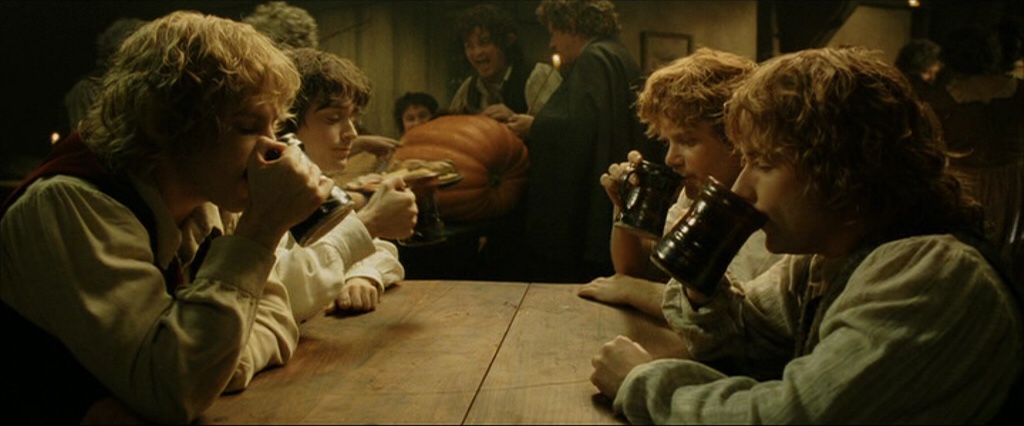 The Lord of the Rings: The Fellowship of the Ring. Appreciated the soundtrack more this time around. Pretty sure it's borrowing from Dvorak. Also reminded me of The Last of the Mohicans in mood. Great work with the suspense and setting the sense, and such a great ending. Not a teaser, but a promise of adventure.
American Honey
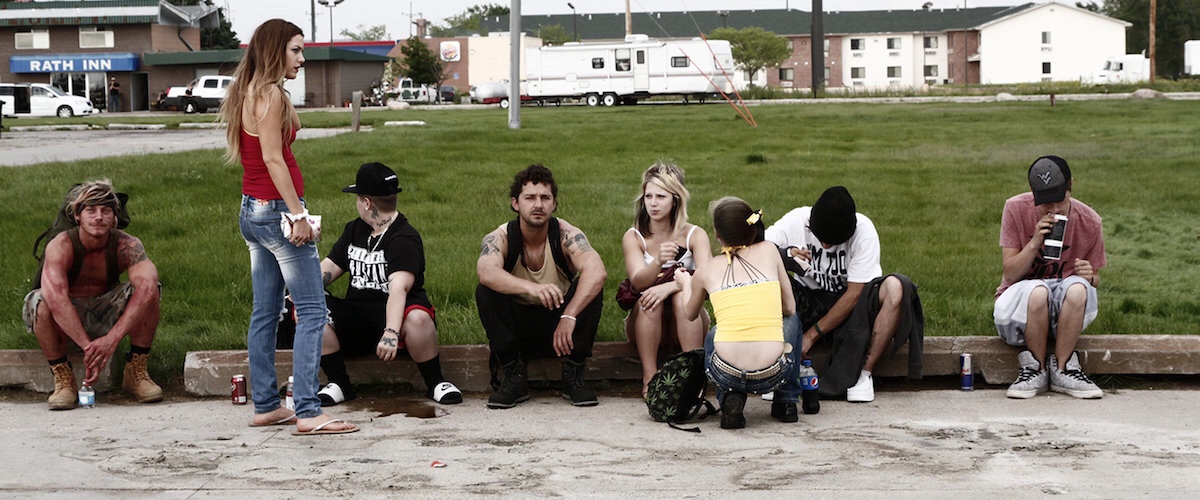
American Honey. Wow, probably one of my favorites I saw in 2017. Slice-of-life-y, crazy energy, the time just slipped right by. I was swept up. Filed under: road movies.
The Fugitive
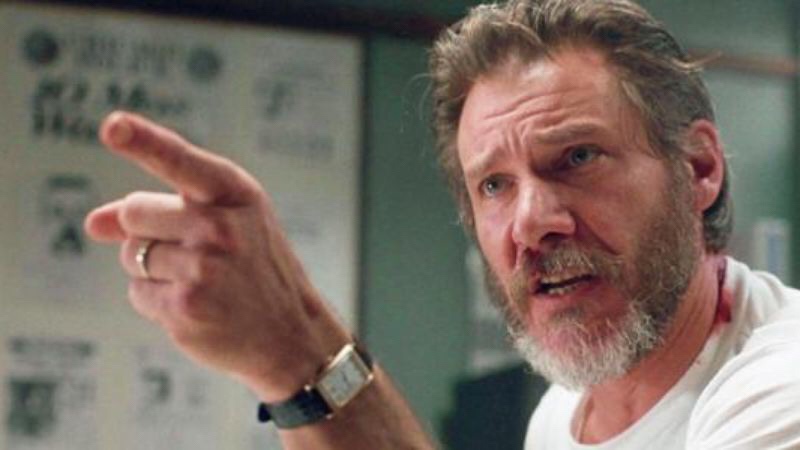 The Fugitive. Had a good time live-tweeting this one. Holds up really well. Favorite thing I noticed this time around was how Ford's wardrobe changes with his status in the story. He starts in a tux, then a suit, then jail uniform, then dirty coveralls, then clean coveralls, then a military jacket, and tweed. That's when you know he's really back in charge.
Jaws
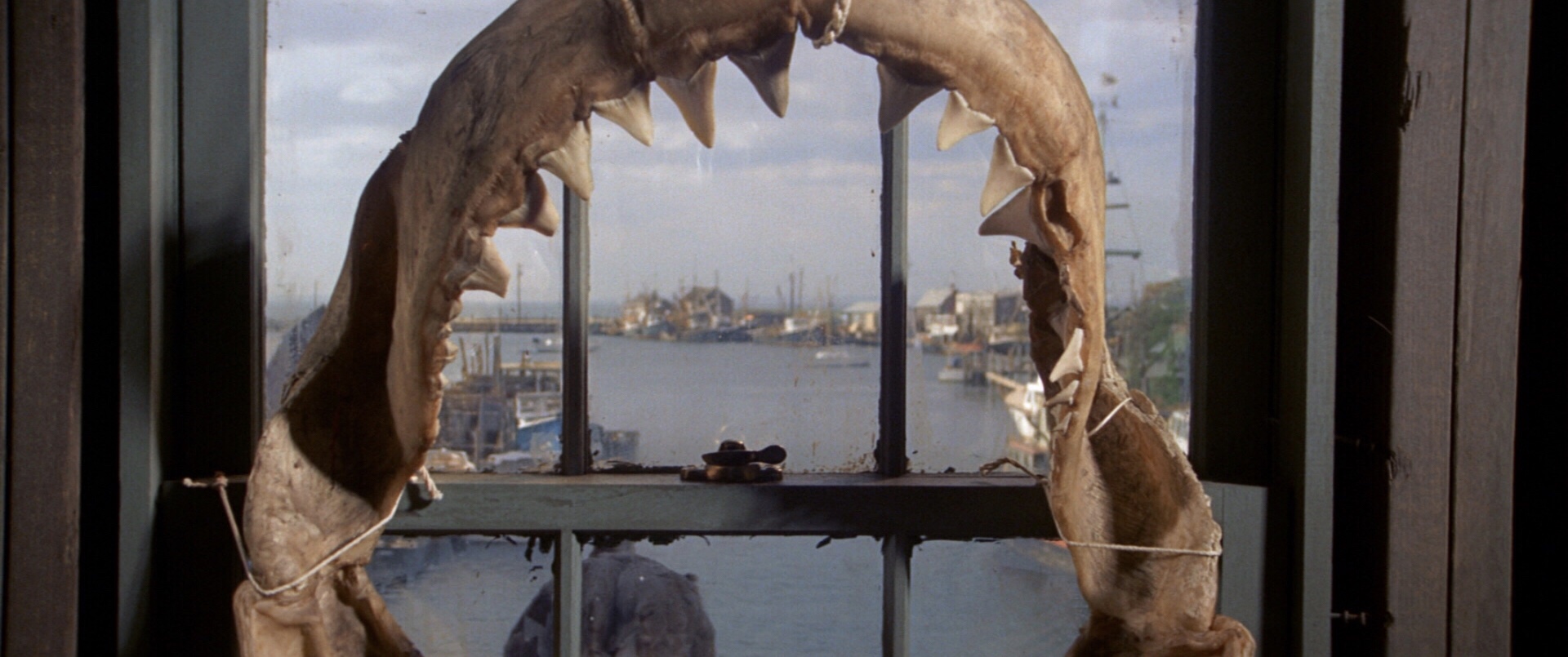 Jaws. I dunno. It's perfect. What do you want me to say?
Shaun of the Dead
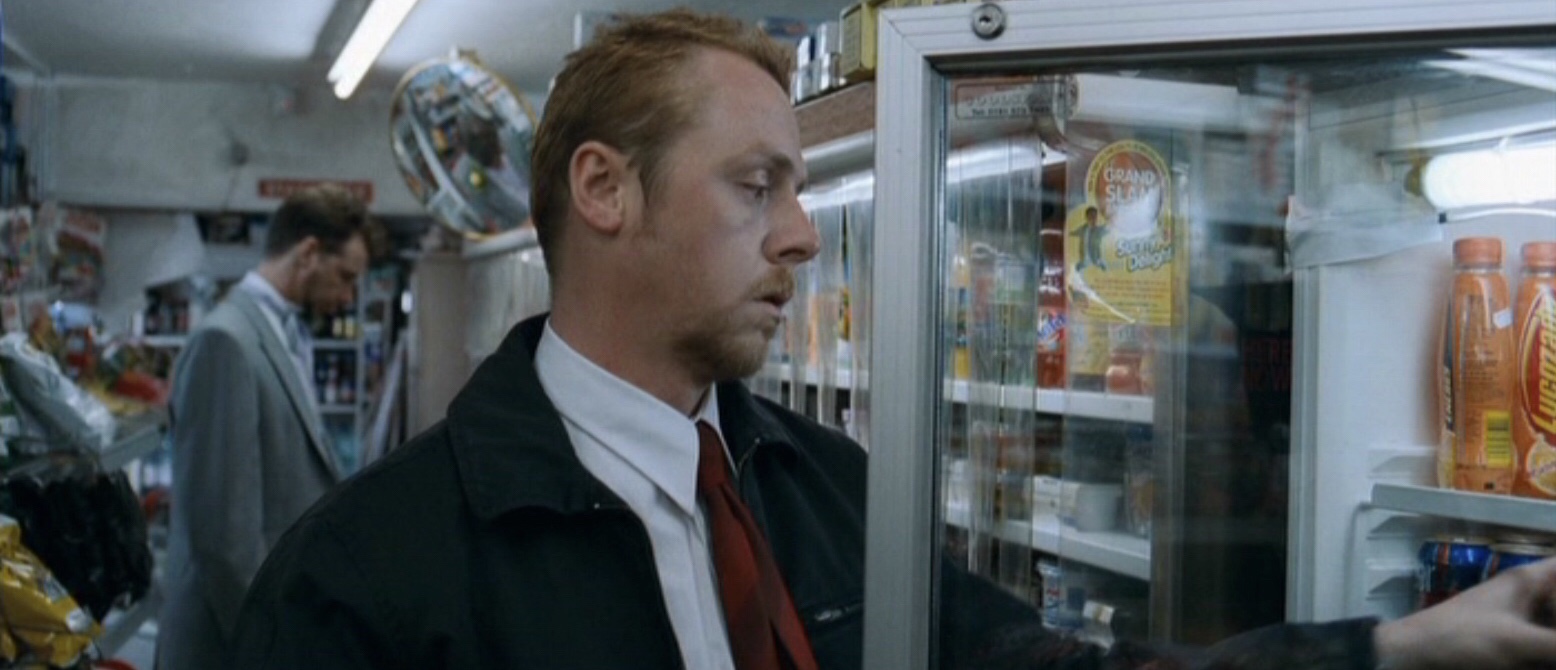 Shaun of the Dead. I really really really wish I'd seen this one years ago. Like pretty much every comedy, the rapid-fire funny bits eventually decay into a slow shuffle, but it's worth it. Pegg and Wright are truly gifted.
Bridges of Madison County
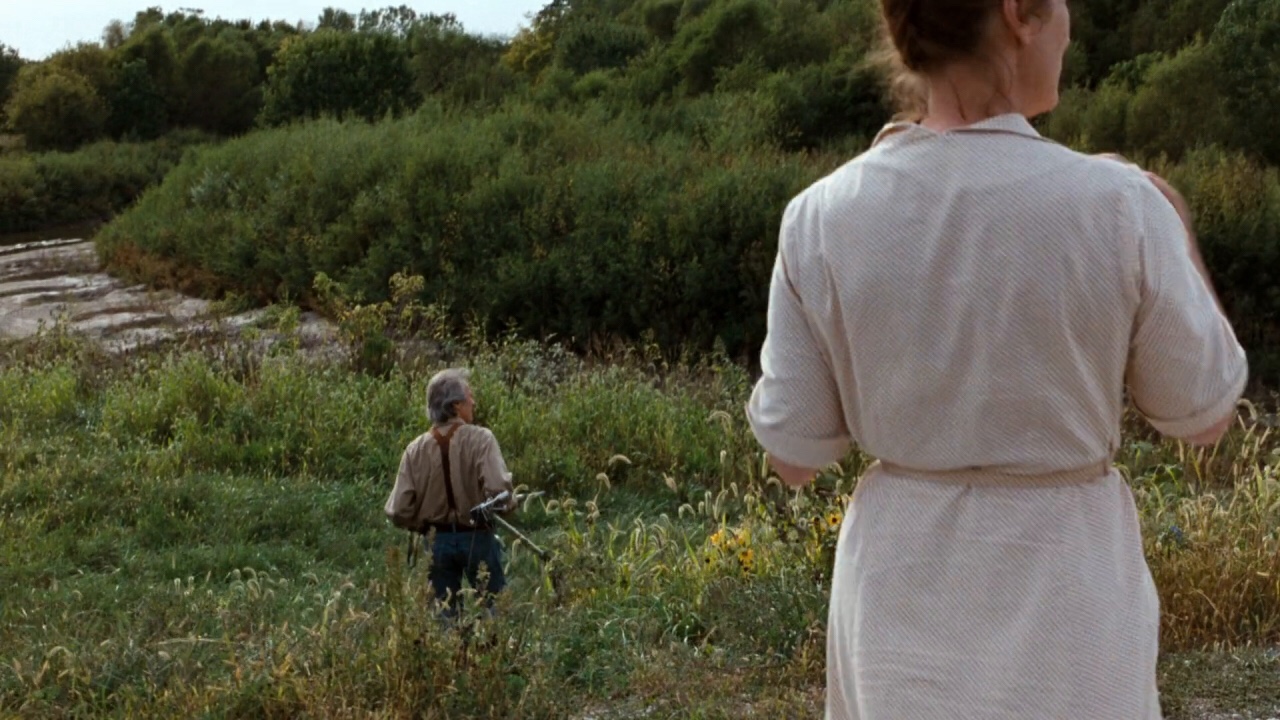 The Bridges of Madison County. I kinda hate myself for saying this but I think Streep gets under my skin a little bit. The micro-mannerisms. I just about eye-rolled myself inside-out when she closed the fridge with her foot. Still, a lovely little doomed romance. A story of acceptance. I like the way it just sorta relaxes into the story and takes its time even though it covers such a short time period. I'd say this is better than maybe half of the Clint Eastwood movies I've seen.
Nerve
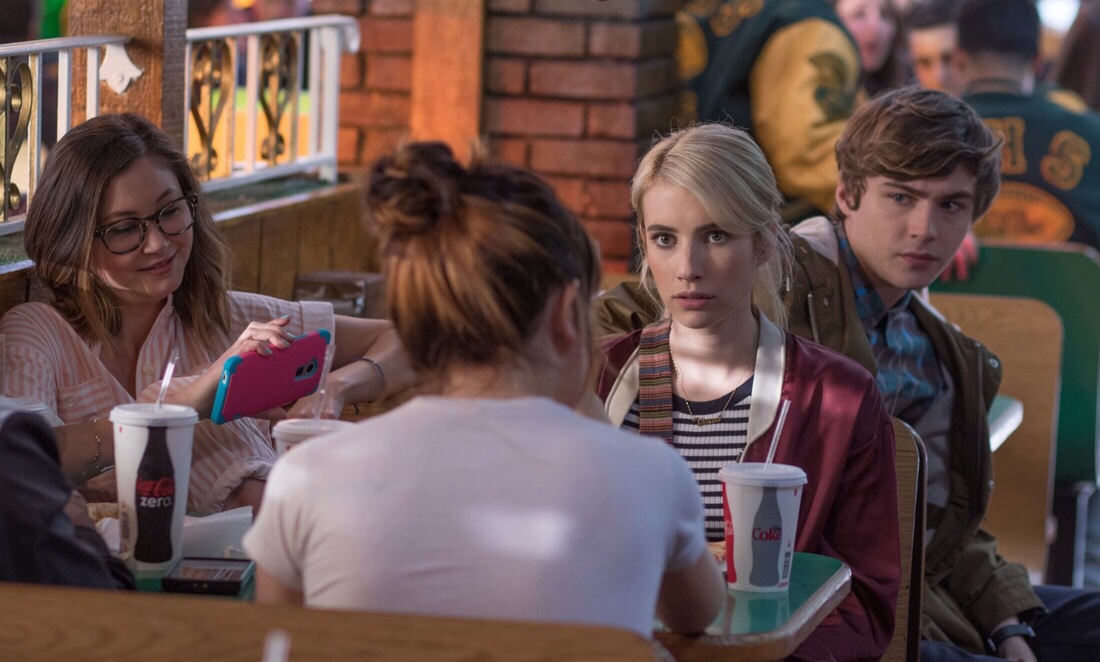 Nerve. So fun! Saw it on an airplane. Got such great zip and momentum and soundtrack. It loses some of that momentum as the stakes rise, but minor fault. Worth a watch. It took me forever to realize why Emma Roberts and Dave Franco each looked so familiar even though I knew I'd never seen either one before.
Rogue One: A Star Wars Story
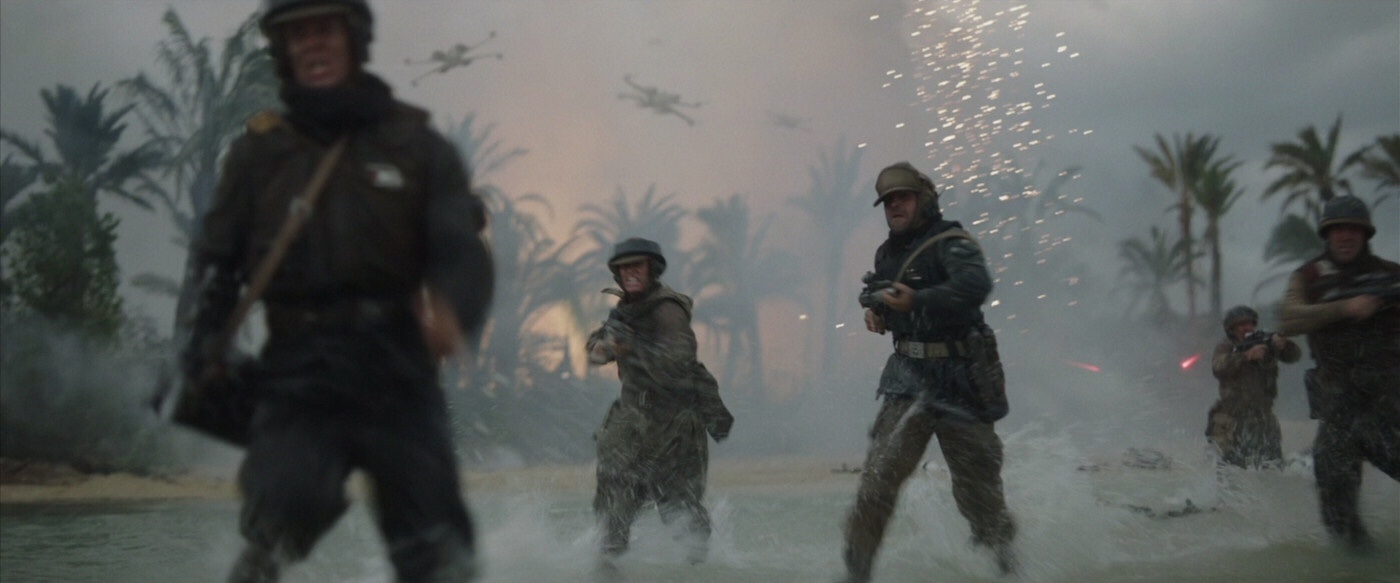 Rogue One: A Star Wars Story. It's not perfect, and I'm a little annoyed that they're still making these... but, now that they are, I think this is the kind of story I'd like to see more of. Sort of putting some shape around the original 6-episode arc rather than extending it. I wish it were more melodramatic. Also a wee long and kind of a bad script? Dumb fan service (I assume we're due for lots more) and the CGI Tarkin and Leia are huuuuuuge mistakes. Still, seeing Mendelsohn, Mikkelsen, and Whitaker in the same movie? What a treat! Much, much better than The Force Awakens. Filed under: Star Wars.
Ocean's Eleven
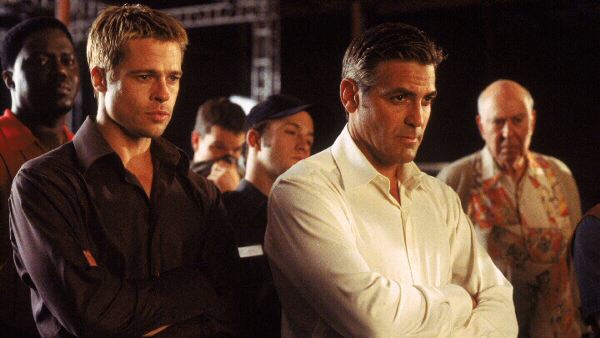 Ocean's Eleven. It's decent! It doesn't have the same zany charm as the first time I saw it, but holds up well enough. Filed under: Steven Soderbergh.