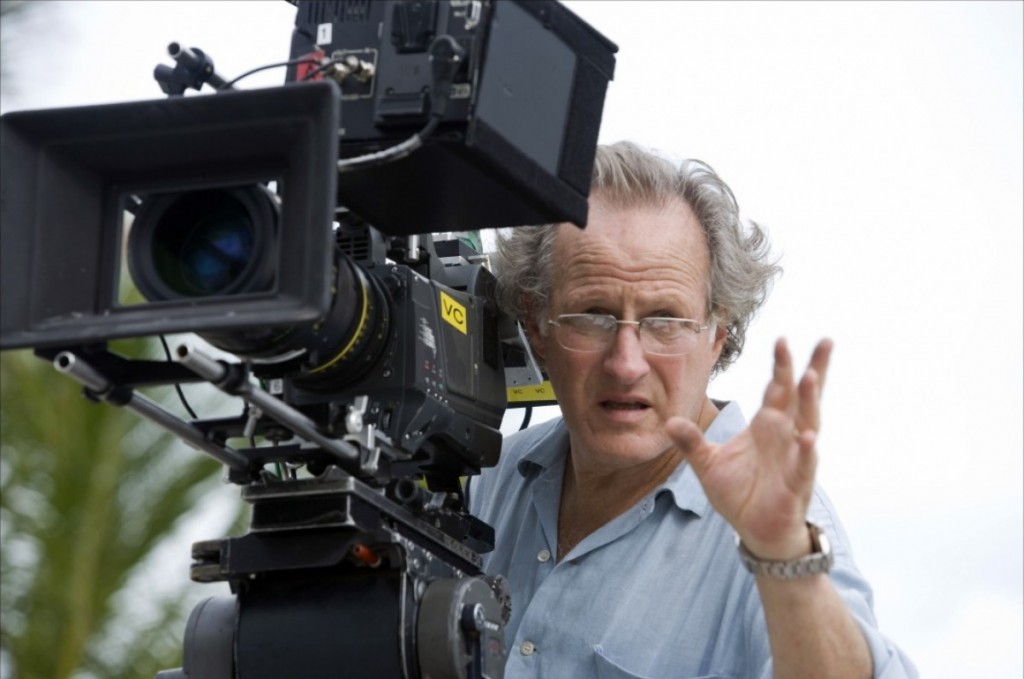
 Zen Pulp, by Matt Zoller Seitz - Moving Image Source. I was trolling the web, looking for some more stuff to read about Michael Mann’s work (as one does), and came across this great five-part video+essay series from @mattzollerseitz. If you’ve already seen his series on Wes Anderson, then you already know it’s good. If you haven’t, then watch that, too.
#trainstagram
The first time I instagrammed a container car, it was because I was waiting on my commuter train to show up, and I was bored to death.
 (click for superfluous historical facts!)
The second time, I was curious about the word "Maersk".
 (click again!)
The third time… yeah, in all honesty, I was just kinda trolling my friends.
 (etc!)
But at least a handful of other folks saw the same appeal. I kept seeing the containers, and the each time I did a little more on-the-spot research, I learned how old and/or humongous these companies are.

Kinda cool that there's a whole other part of the economy that's just been chugging along, making the rest of it work a little more smoothly.

And there's the novelty, like birding. I've seen, in passing, a bunch of other containers that I haven't snapped or read about yet.

It's not sexy at all, but there's something compelling here. Some things are born interesting. Some things, given time or attention, become interesting.
The Sisters Brothers (review)

Who do you know that has faith in you?
Within the first 40 or 45 pages of The Sisters Brothers there's a lethal spider bite, tough mercenaries marveling at the wonders of a toothbrush, a gyspy-witch, and a bear attack. The next 250 are just about as strong. It's splendid.
The two lead characters--who aren't really good people, by the way--are brothers, and there were plenty of family dynamics here that made me think of my own ("Our blood is the same, we just use it differently."). And our narrator is smart and self-aware, and is constantly tossing out little observations and musings, like:
I could not sleep without proper covering and instead spent the night rewriting lost arguments from my past, altering history so that I emerged victorious.
And here, on booze:
When a man is properly drunk it is as though he is in a room by himself.
And here, on making a bozo move when he's trying to get his flirt on:
My chest swelled like an aching bruise and I thought, I am a perfect ass.
And here, on waking up:
I thought, Why did I bring up God so soon after waking?
Funny, thoughtful, twisted, must-read. Thanks to Austin for the suggestion!
Zodiac
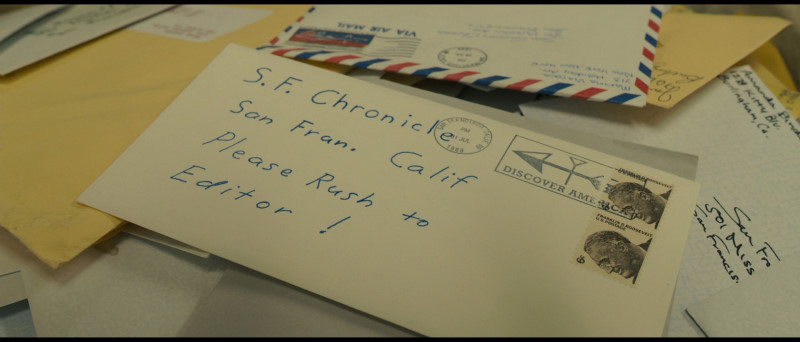 Zodiac. A serial killer is the impetus, but the theme is obsession. So good. If only all directors could use their minutes this well.
The Grand Budapest Hotel and the 4:3 format
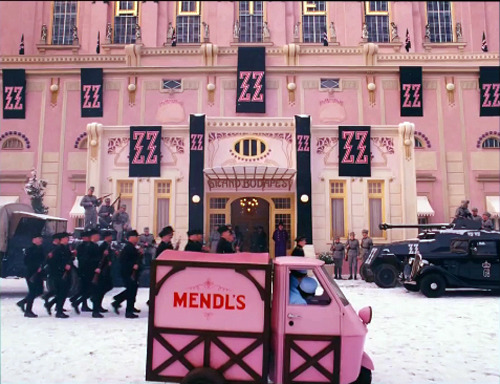
Observations on film art : THE GRAND BUDAPEST HOTEL: Wes Anderson takes the 4:3 challenge.
In Grand Budapest Hotel we move from the present, more or less, to events in the 1980s, then the 1960s, and eventually the 1930s, which constitute the central episodes. Anderson has shot the frame stories in different aspect ratios. It’s 1.85 for the near present and the 1980s, when the Author recounts meeting the hotel owner. That meeting, set in the 1960s, is shown in 2.40, the anamorphic aspect ratio. The central story, taking place in the 1930s, is presented in classic 1.37, or 4:3 imagery. With typical Anderson butterfly-collector wit, each era gets a ratio that could have been used in a movie at the time. It’s remarkable that Anderson could persuade Fox Searchlight to let him do this, but it’s also a gift of digital projection: This play with ratios wouldn’t have been possible on film.
I knew something was up, I just couldn’t put my finger on it.
Structure
Almost always there is considerable tension between chronology and theme, and chronology traditionally wins. The narrative wants to move from point to point through time, while topics that have arisen now and again across someone’s life cry out to be collected.
Filed under: John McPhee. Structure
Pitfall
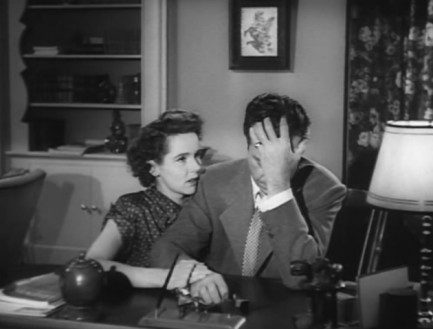 Pitfall. Aw, man. I watched this at the end of last month, so now everything is out of order. Anyway, really dug this one. A guy does some really dumb things while on the job, and the universe exacts its toll. Raymond Burr is so awesome - always loved him since watching Perry Mason as a kid. Reminds me of a portly cross between Kirk Douglas and Philip Seymour Hoffman. What a perfect weaselly creepy charmer.
“Divergent” and “Hunger Games” as capitalist agitprop
Let’s pause for a moment, in fact, to notice that this kind of story almost always imagines a future world that’s far simpler than the one we currently live in, one in which all the stuff and clutter of our lives – the screens, the gizmos, the cars, the noise – has evaporated. As David Mamet once put it, every fear hides a wish.
Frank Chimero - Three Things to Say
A person can only have so much expertise, but if you can sell your ignorance and ability to root out answers, you’ll be employable forever, understood frequently, and relatable always.
The Parallax View
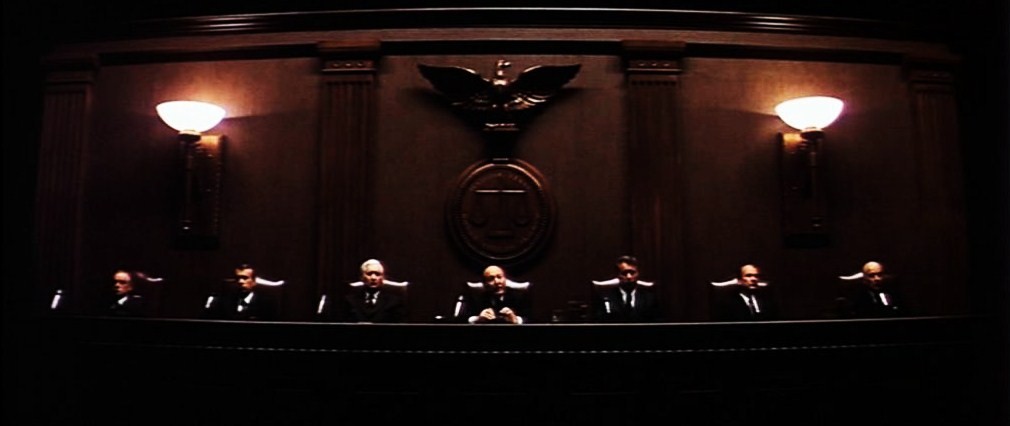 The Parallax View. I really loved some of the camerawork and staging and general style, but I just didn’t care. Something about Beatty(’s character) just didn’t click for me. So in general, I’d say skip this one. Actually, do watch the watch the amazing montage/brainwashing scene. And then go watch the superior Three Days of the Condor.