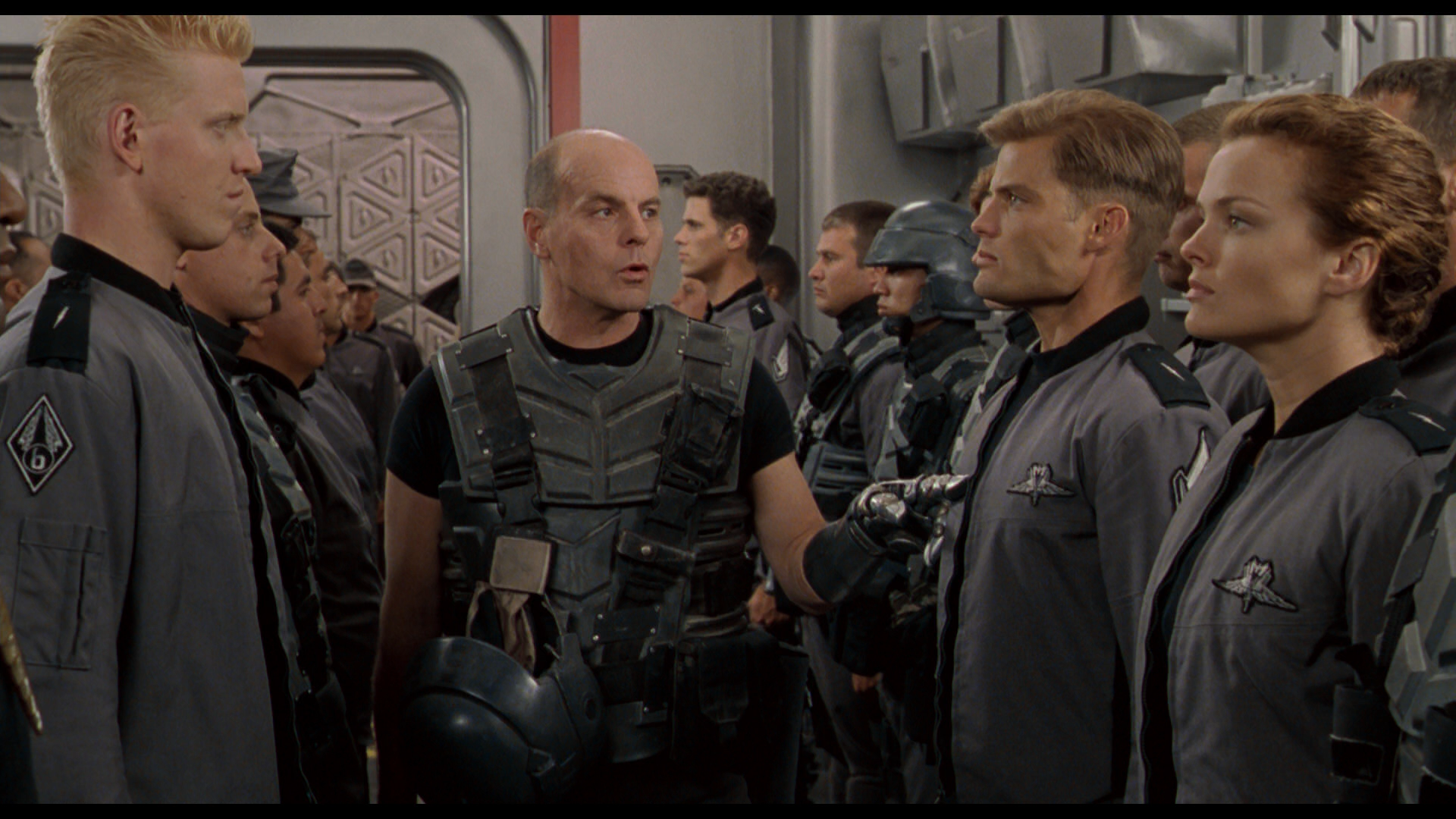
 Starship Troopers. Not for me. Ditto Robocop:
I appreciate the intentional over-the-top-ness but eventually it became a bit tedious for me.
Starship Troopers. Not for me. Ditto Robocop:
I appreciate the intentional over-the-top-ness but eventually it became a bit tedious for me.
 John Wick 2. A+, I say. Expands the universe, crazifies the action. Just as fun as the original for me.
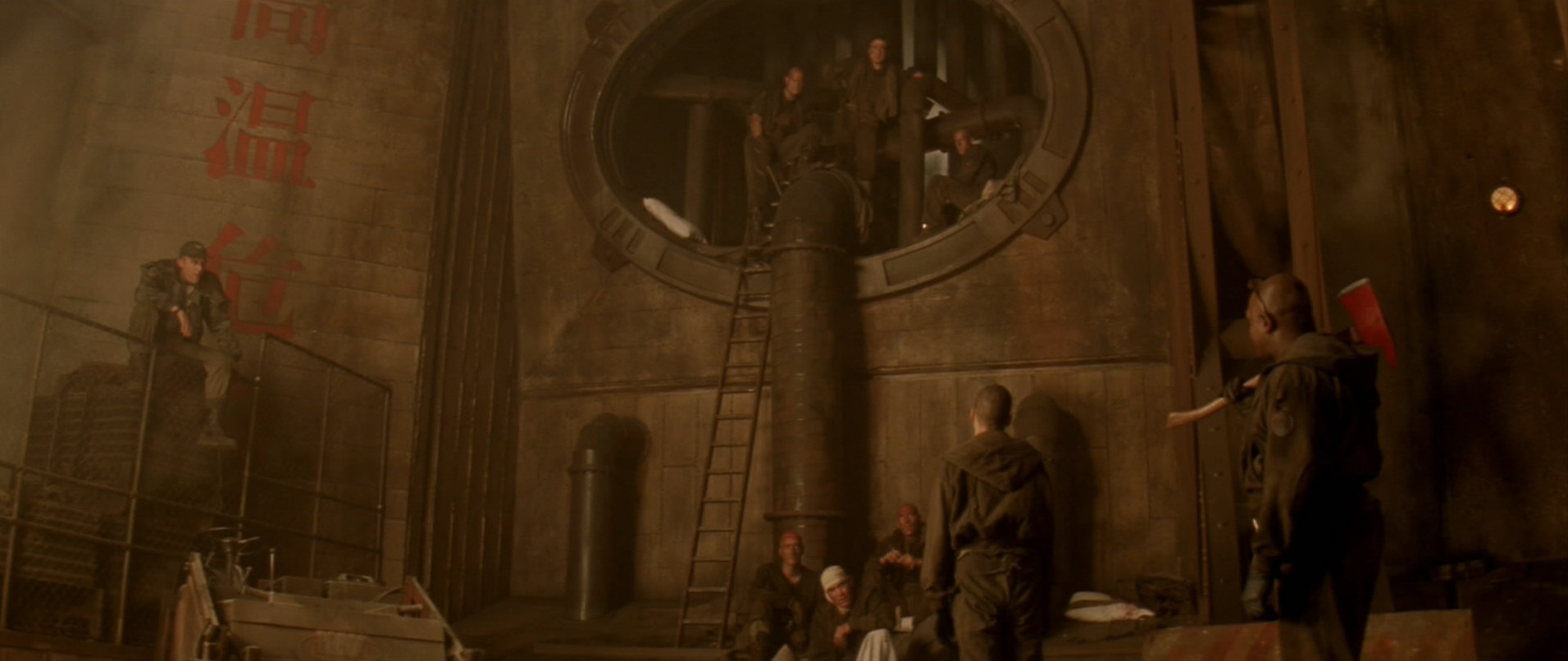 Alien 3. Interesting thematically, but more fun to read about than to watch. It's a very very steep drop-off from Alien and Aliens to this (same is true for most movies, to be fair). Filed under: David Fincher.
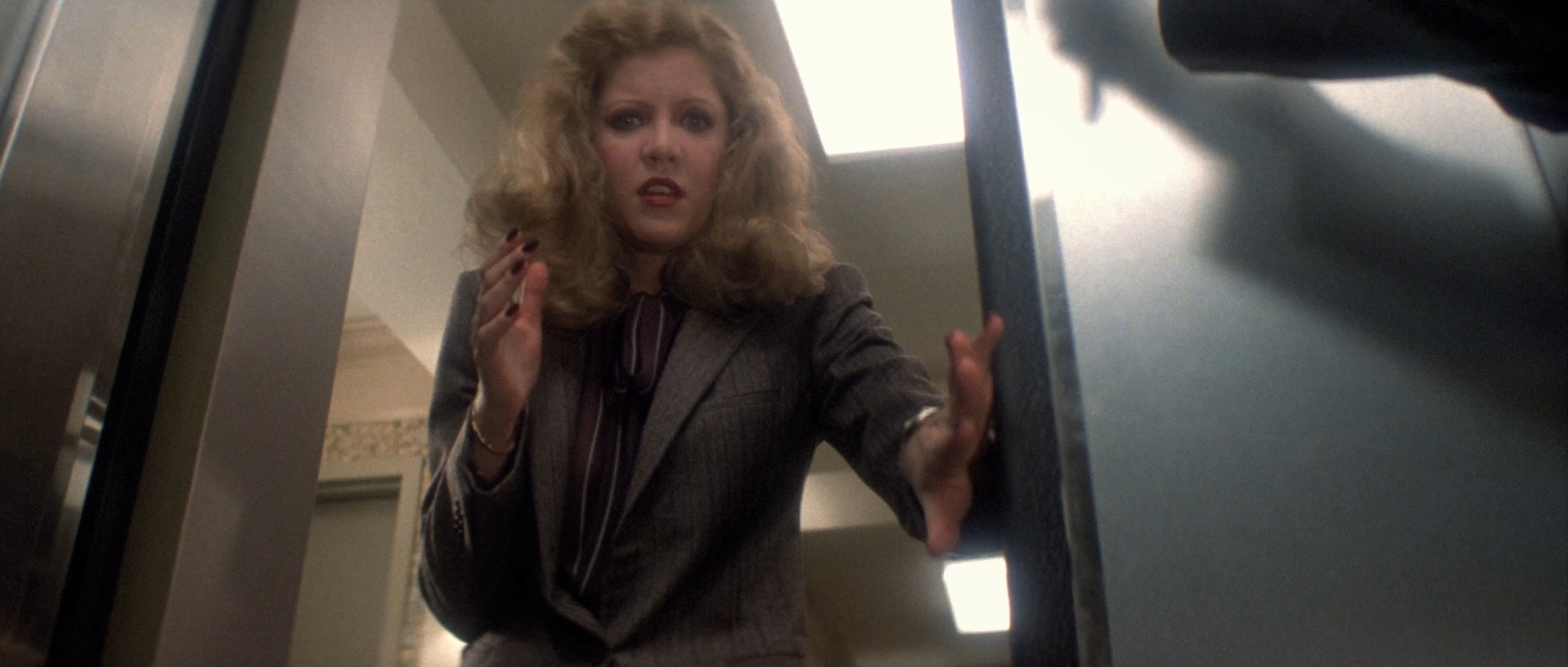 Dressed to Kill. This was excellent. Love the wordless moments, just guided by soundtrack to clue you in and shape the emotion. That museum scene! The tension! De Palman surveillance and paranoia in full force. And something about all those clocks? Nancy Allen is a hoot. And Dennis Franz! Perspectives on psychosis and the trans community haven't aged well. It is of its time. Filed under: Brian De Palma.
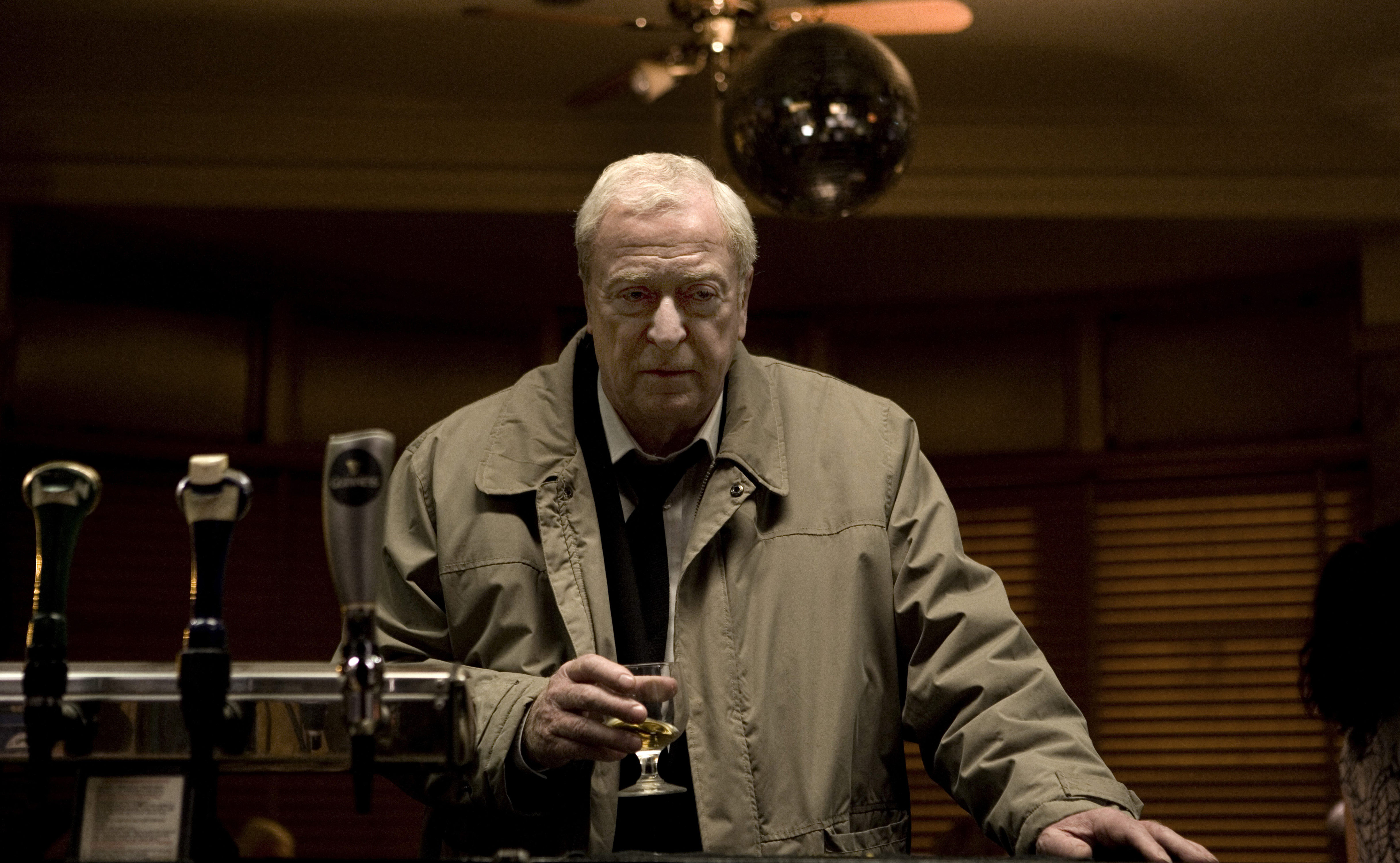 Harry Brown. Grumpy old man vengeance like Gran Torino, but much much more dark and grim and cynical. Too much so for me.
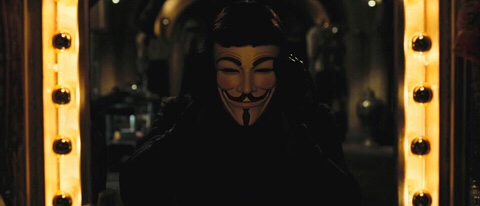 V for Vendetta. Wow, I didn't remember this being so tedious. What a drag.
I was looking through some old journal entries and remembered seeing an exhibit of Erika Larsen's photography. This series really stuck with me.
 Night Moves. Second viewing (the first). I forgot how good this one is, visually. So many shots underscoring the protagonists' perspective, seeing their environment torn apart, or reshaped, or unappreciated.
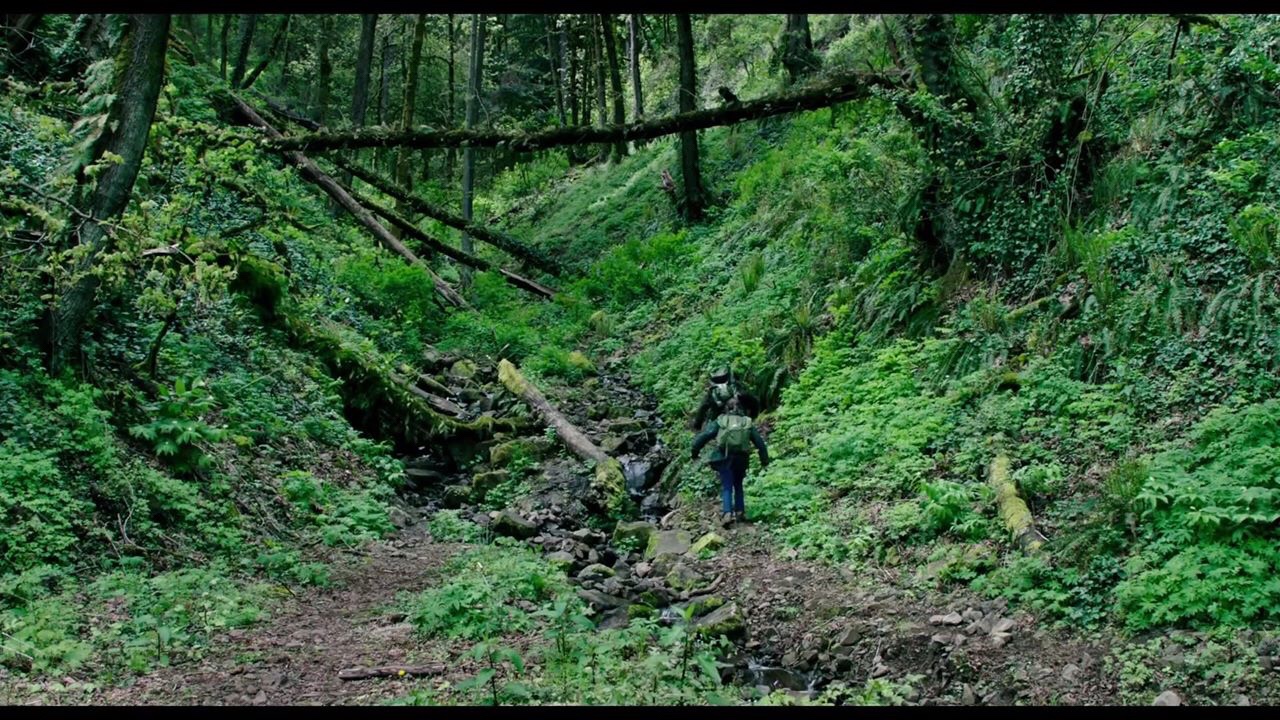 Leave No Trace. Loved it. Such a good quiet story. I like melodrama but it's also nice to see this, too: just naked presentation of people trying to do what they must while trying to take care of each other. Other good movies with Oregonians wrestling with modernity: Old Joy, Night Moves, The Goonies.
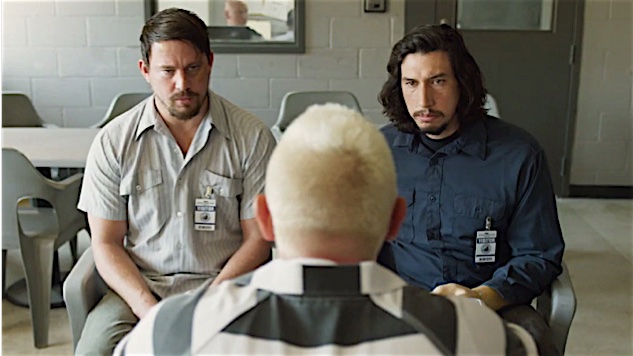 Logan Lucky. Preeeetty good. Heist movies are inherently absurd. Just gotta lean into it and I love that this one does. Neat to see scenes with cameos of local regular Atlantans like me. Shaky accents here and there. Can't shake the feeling that at times it's mildly classist in a pointing-and-laughing kind of way more than a laughing-with-them way. (Some defensiveness bubbling up, I think – I feel like I notice and feel this more about movies set in the South than movies with similar casts in other regions.) No less fun for it. Filed under: Steven Soderbergh.